For nearly a century, Rome had enjoyed an extraordinary period of political stability, military power, and economic prosperity. Then came Commodus.
The son of the philosopher-emperor Marcus Aurelius inherited the Roman world in AD 180. Twelve years later, he was dead—strangled after an earlier attempt to poison him failed. In between, Commodus presented himself as a new Hercules, fought as a gladiator before Roman crowds, clashed with the Senate, survived conspiracies, and presided over an increasingly dangerous imperial court.
Table of Contents
His assassination on December 31, 192, was followed by a violent struggle for the throne. Within months, five men would claim imperial power.
It is easy to understand why the Commodus reign became associated with the end of Rome’s Golden Age.
But did one emperor really bring Rome’s greatest era to an end?
The answer is more complicated. Commodus was certainly a turning point in Roman history, but some of the problems facing the empire had begun before he ever ruled alone.
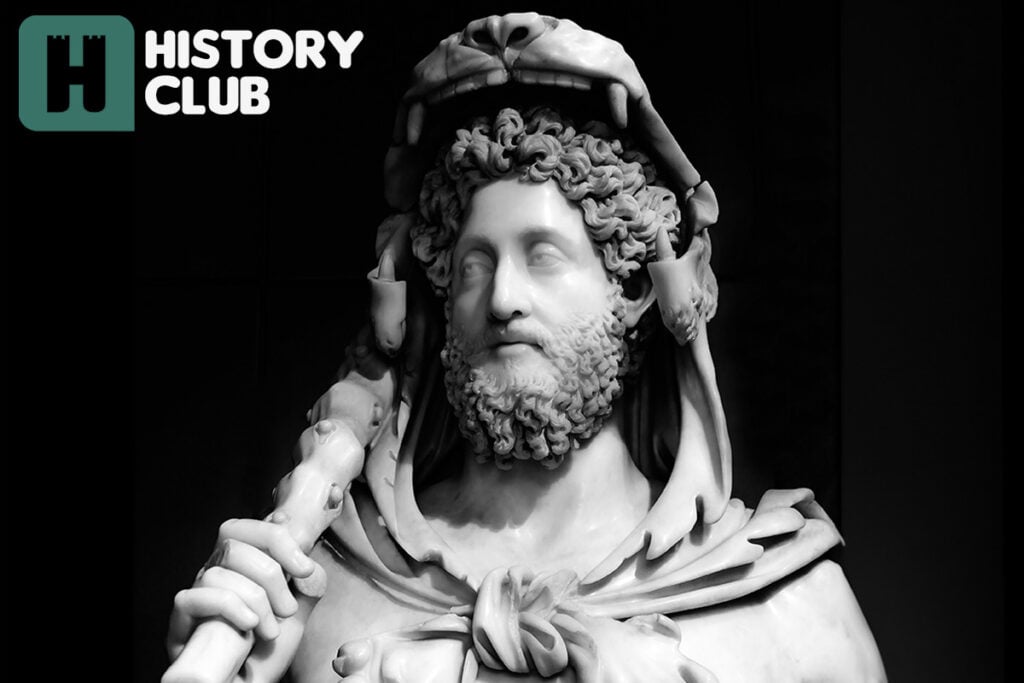
Commodus’s Early Life
Commodus was born on August 31, AD 161, the son of Roman Emperor Marcus Aurelius and Faustina the Younger.
Unlike many Roman emperors who seized power through political intrigue or civil war, Commodus was raised from childhood with the expectation that he might one day rule.
He received an education intended to prepare him for imperial life, and as a young man accompanied his father during the wars along Rome’s northern frontiers.
In AD 177, Marcus Aurelius elevated Commodus to the position of co-emperor.
DID YOU KNOW?
Commodus was the first Roman emperor to be “born in the purple”—born while his father was already emperor. That made his path to power very different from the adopted successors who had ruled before him.
It was an important moment in Roman history. The emperors who had ruled before Commodus during the Nerva-Antonine period had largely succeeded through adoption rather than direct father-to-son succession. Commodus, however, was Marcus Aurelius’s biological son.
For three years, father and son officially ruled together.
When Marcus Aurelius died in AD 180, the 18-year-old Commodus became the sole emperor of one of the most powerful states the ancient world had ever seen.
The contrast between father and son would eventually become one of the most famous in Roman history.
Marcus Aurelius became remembered as the philosopher-emperor who spent much of his later reign fighting Rome’s enemies on the frontier. Commodus developed a reputation for extravagance, personal glorification, and an obsession with spectacles.
But the empire Commodus inherited was not entirely peaceful.
The Empire Commodus Inherited
It is tempting to imagine Marcus Aurelius handing his son a perfectly stable Roman Empire that Commodus proceeded to destroy.
The reality was considerably more complicated.
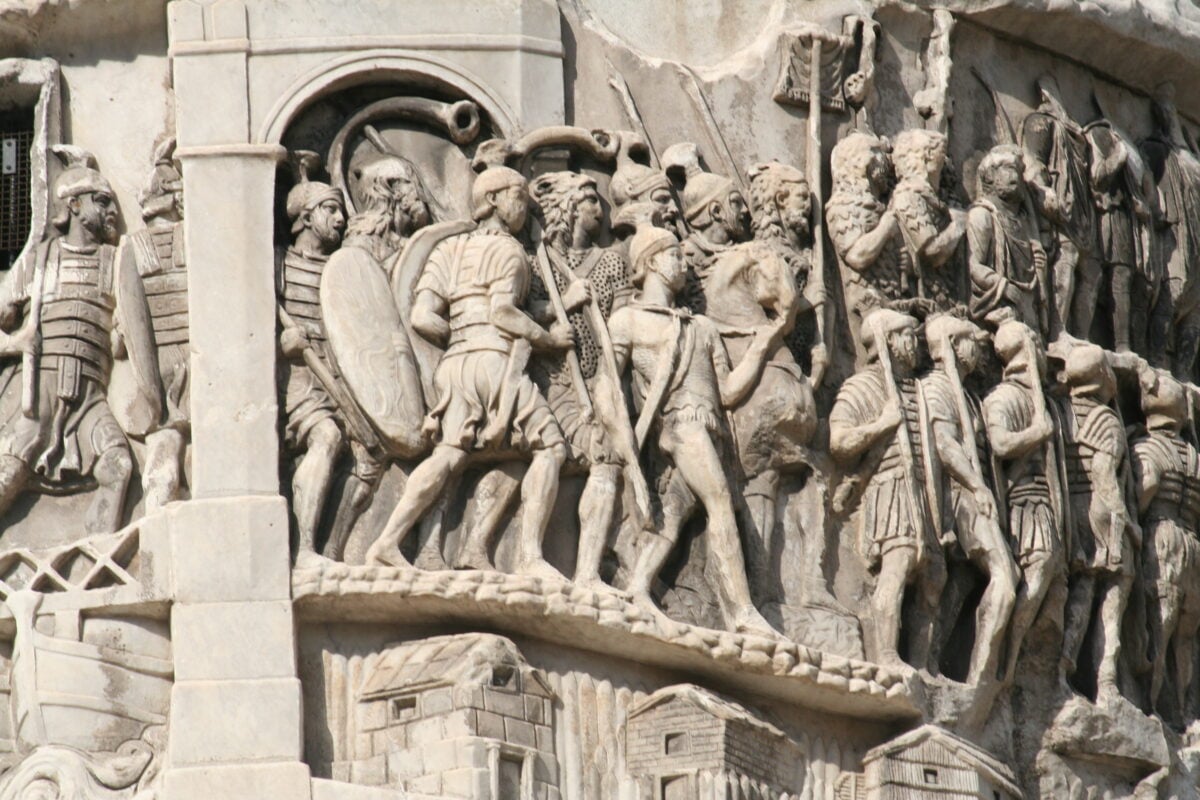
Marcus Aurelius had spent years fighting the Marcomannic Wars along the Danube. Germanic and other tribal groups had placed enormous pressure on Rome’s northern frontier, and at one point invaders penetrated into Italy itself.
The empire had also suffered from the devastating Antonine Plague, which killed an unknown but significant number of people and placed additional pressure on Rome’s economy and military.
These problems matter when considering whether Commodus ended Rome’s Golden Age.
He inherited an immensely powerful empire, but he also inherited unresolved military, demographic, and financial pressures.
What changed dramatically was how the new emperor chose to deal with them.
Commodus Ends His Father’s War
When Marcus Aurelius died in AD 180, Commodus was campaigning alongside him on the Danube frontier.
Rather than continuing his father’s plans for further military operations, the young emperor negotiated peace and returned to Rome.
Ancient writers hostile to Commodus portrayed this decision as evidence that he lacked his father’s courage and preferred the pleasures of the capital to the hardships of military life.
The decision, however, deserves more consideration than that interpretation allows.
Rome had already spent years fighting costly wars along the frontier. Ending the campaign gave the empire and its armies an opportunity to recover.
Commodus was therefore not simply abandoning a peaceful frontier to Rome’s enemies.
Nevertheless, military problems continued throughout his reign.
Wars and Frontier Crises Under Commodus
Although Commodus personally preferred life in Rome to extended military campaigning, the Roman army remained active across the empire.
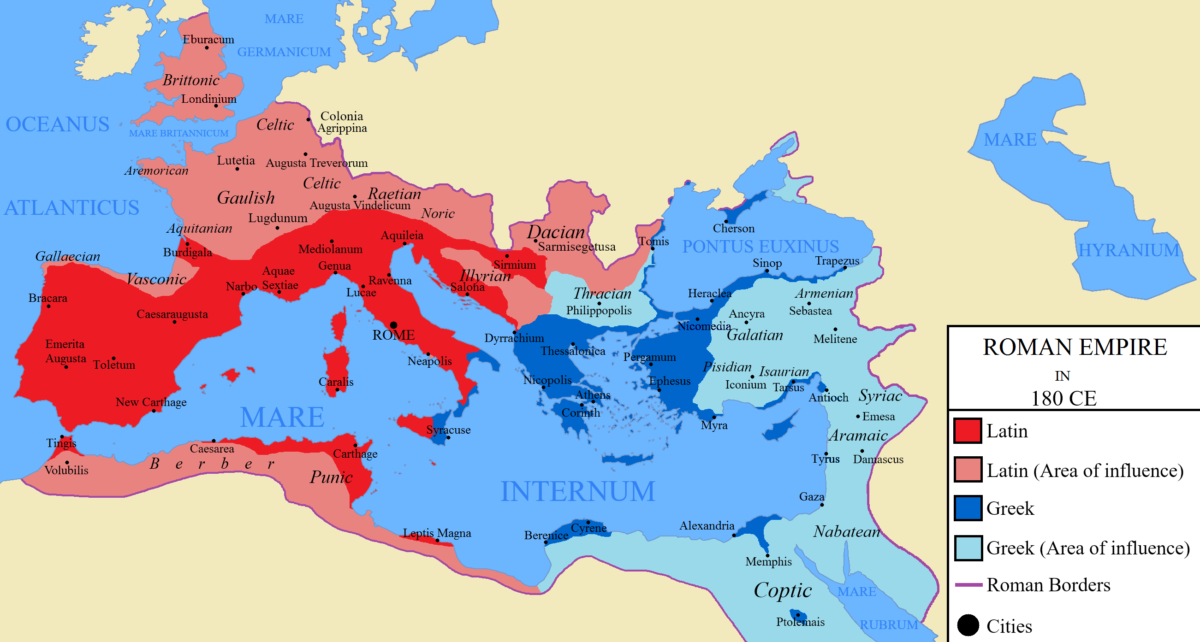
Germany and the Danube
The northern frontier remained one of Rome’s greatest strategic concerns.
The Marcomannic Wars had demonstrated how vulnerable the Danube frontier could become when large tribal coalitions placed pressure on Roman territory.
Commodus’s peace settlement ended the major war inherited from Marcus Aurelius, but it did not eliminate the underlying threat posed by groups beyond Rome’s borders.
The decision would later become part of the traditional criticism of Commodus: where Marcus Aurelius had personally campaigned on the frontier, his son increasingly left military affairs to generals and officials.
Dacia
Dacia was another strategically important frontier province.
Conquered by Emperor Trajan earlier in the second century, the province projected Roman power beyond the Danube but was surrounded by potentially hostile peoples.
Fighting continued in and around the region during Commodus’s reign, demonstrating that Rome’s frontier difficulties did not disappear simply because the emperor had returned to the capital.
Britain
Britain also experienced serious unrest.
Roman forces faced attacks along the northern frontier, while unrest within the army itself created additional problems for the imperial government.
Britain also remained a strategically important frontier of the empire, where defenses such as Hadrian’s Wall helped Rome control and protect its northern boundary.
These crises reveal an important point about the Commodus reign: Rome had not suddenly become militarily powerless.
The Roman army remained formidable.
The greater problem was increasingly political—who controlled that military power, how loyal Rome’s armies were to the emperor, and what happened when soldiers became involved in deciding who should rule.
Those questions would become critical after Commodus’s death.
The Conspiracies Against Commodus
Commodus did not have to wait long before discovering how dangerous imperial politics could be.
In AD 182, only two years after he became sole emperor, a conspiracy formed against him involving his sister Lucilla.
The assassination attempt failed.
Its consequences were significant.
Lucilla was eventually executed, and Commodus became increasingly suspicious of the senators, aristocrats, and officials surrounding him.
The imperial court became a dangerous environment in which access to the emperor could mean enormous power—and accusations of conspiracy could mean death.
Powerful officials including the praetorian prefect Tigidius Perennis rose to extraordinary influence. The Praetorian Guard, originally created to protect the emperor, had by this period become an increasingly important political and military force in Rome.
Rather than personally handling every aspect of government, Commodus increasingly relied on favorites and members of his court.
At the same time, his relationship with the Roman Senate deteriorated.
The political stability associated with Rome’s Golden Age was beginning to look increasingly fragile.
Emperor, God, and Gladiator
Nothing has defined Commodus’s historical reputation more than his fascination with Hercules and gladiatorial combat.
Roman emperors had always used religion, monuments, and public imagery to strengthen their authority. Commodus took imperial self-promotion much further.
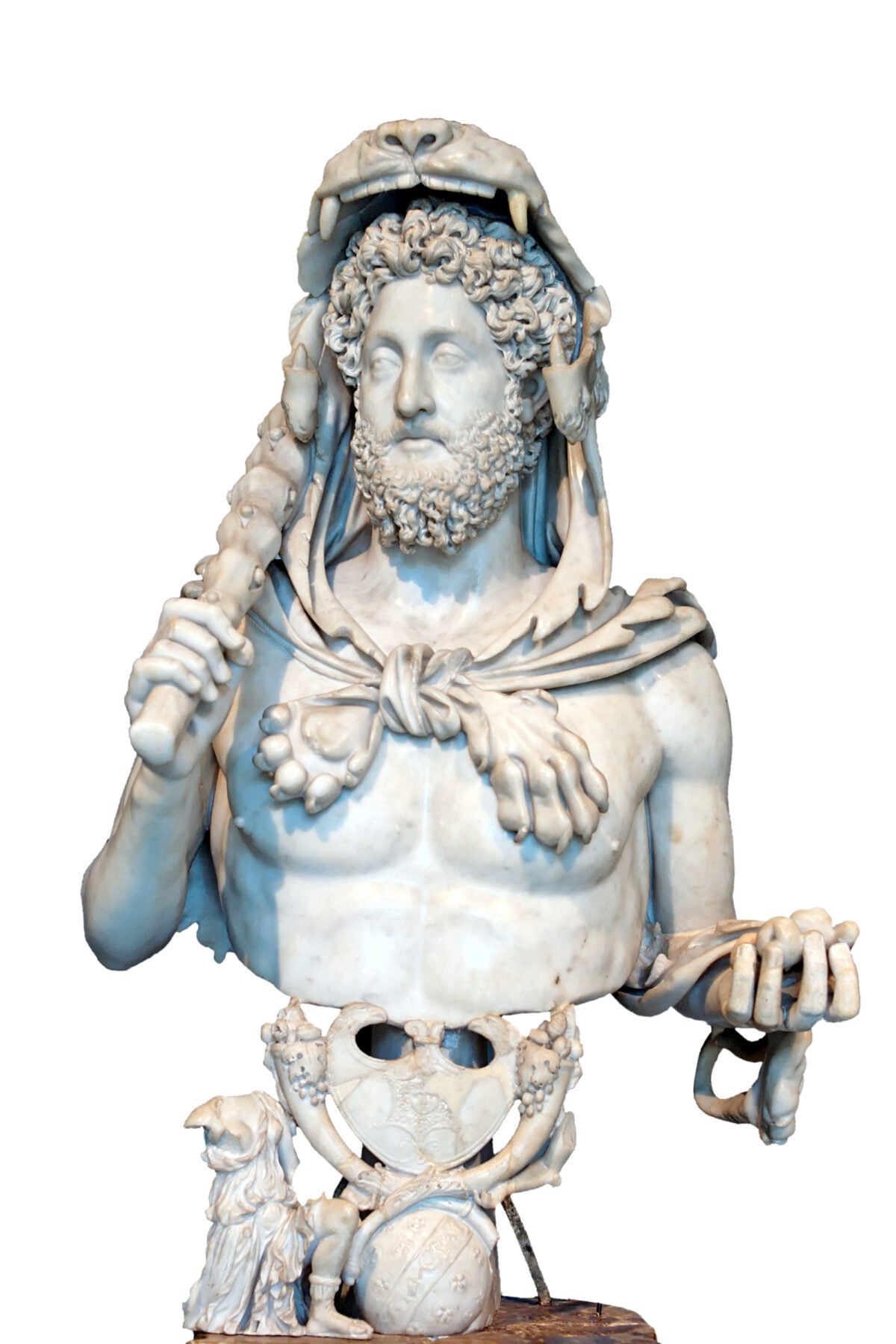
He increasingly associated himself with the demigod Hercules.
STRANGE BUT TRUE
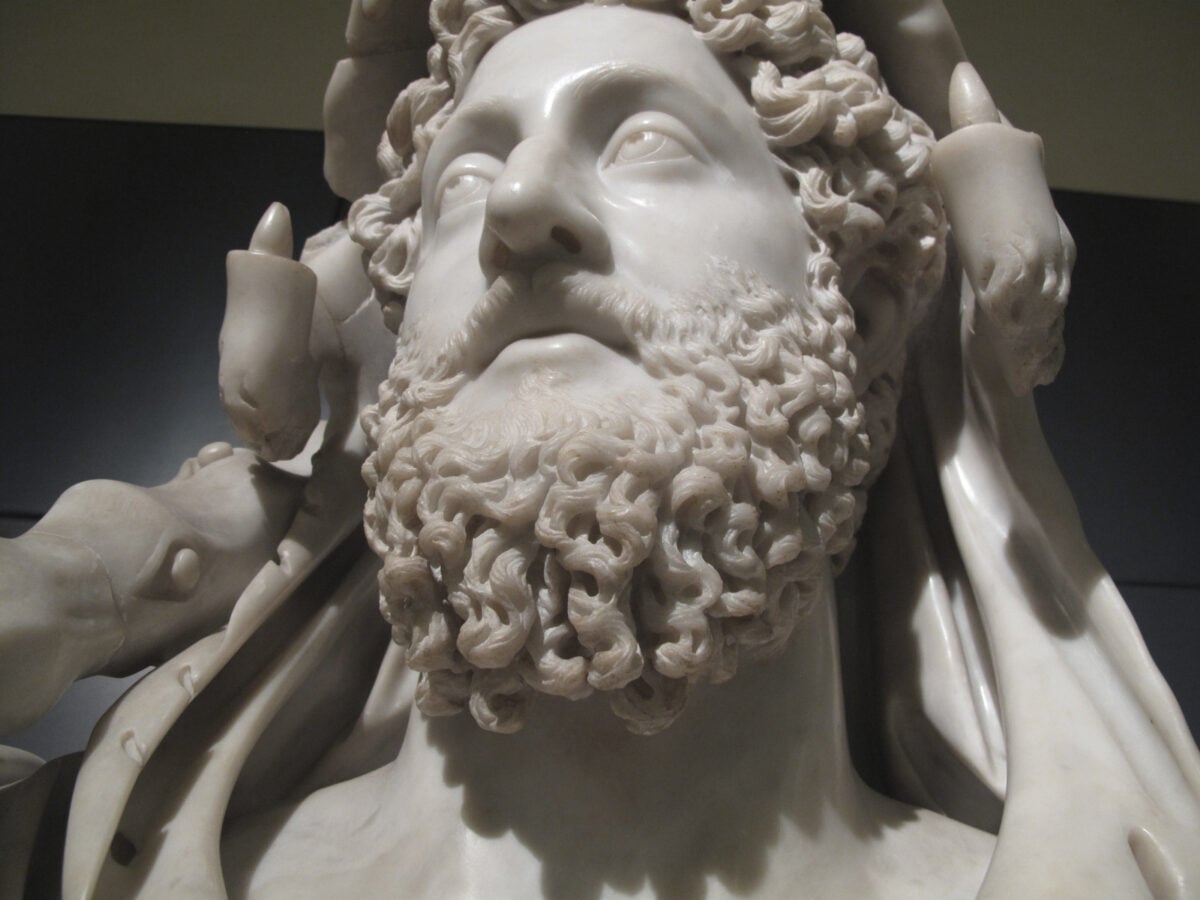
Commodus did more than compare himself to Hercules. He commissioned images of himself dressed as the hero, complete with the lion skin and club. One famous marble portrait from around AD 191–192 survives today and shows just how seriously he cultivated the image.
Surviving Roman sculpture famously depicts Commodus wearing the lion skin of Hercules and carrying the hero’s club. The message was unmistakable: Commodus was presenting himself as more than an ordinary political ruler.
His fascination with the arena proved even more controversial.
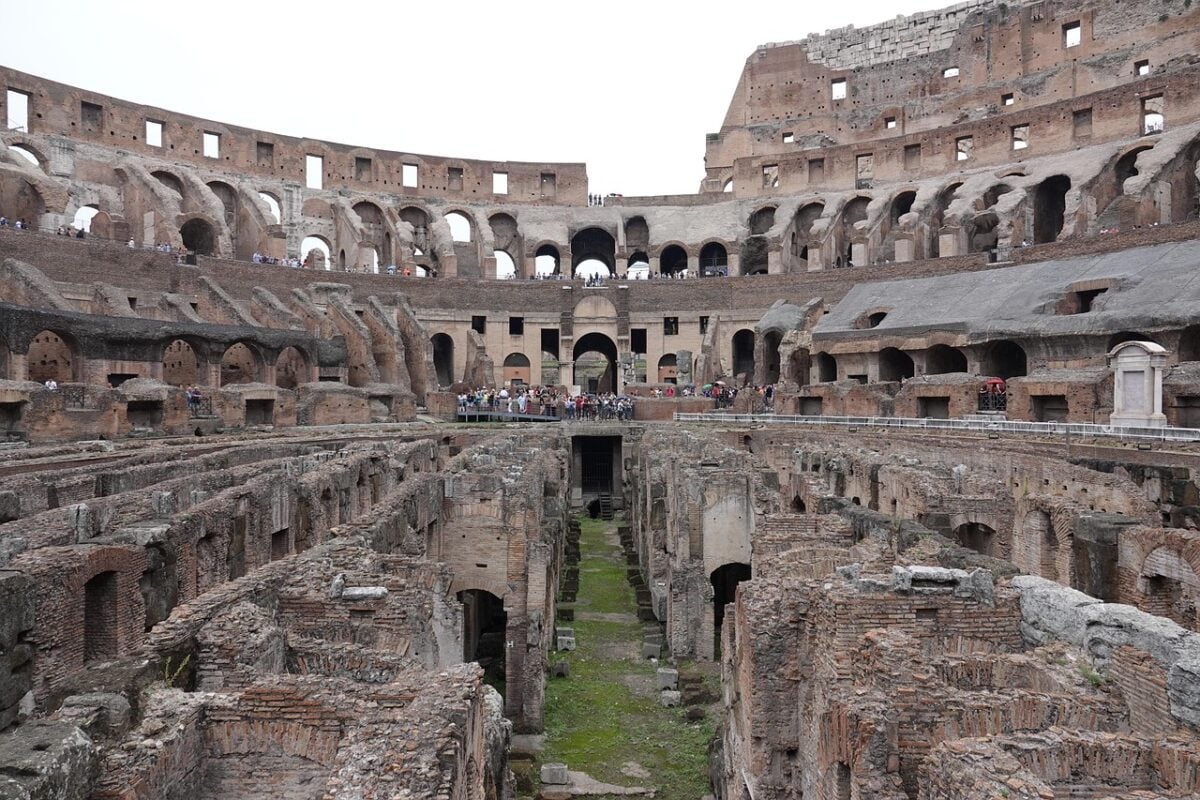
Commodus personally appeared in gladiatorial spectacles in the Colosseum and participated in staged combat, turning the emperor himself into part of Rome’s public entertainment.
Gladiatorial combat was only one part of Rome’s wider culture of arena spectacle, which also included animal hunts, executions, and even staged naval battles in the Colosseum.
For many Romans—particularly members of the Senate—this behavior was deeply disturbing.
Gladiators could be enormously popular with Roman crowds, but they occupied a low social position. An emperor publicly performing as one challenged traditional ideas about the dignity of imperial office.
To Commodus, the arena displayed his strength and heroic identity.
To many members of Rome’s elite, it demonstrated that the emperor had degraded his position.
This difference helps explain why ancient senatorial writers produced such an overwhelmingly hostile image of Commodus.
Their accounts remain crucial sources for his reign, but their political and social perspective also needs to be considered when judging him.
DID YOU KNOW?
By the final year of his reign, Commodus had even renamed the months of the Roman calendar after twelve of his own names and titles—including Commodus, Herculeus, Invictus, and Amazonius. Cassius Dio records the full list.
How Long Did Commodus Rule?
How long did Commodus rule Rome?
Commodus was emperor for approximately 15 years, from AD 177 until his assassination in AD 192.
However, the first three years of that period were spent ruling alongside his father, Marcus Aurelius.
Commodus became co-emperor in AD 177 and then sole emperor in AD 180, following Marcus Aurelius’s death. His independent reign therefore lasted roughly 12 years, from AD 180 to 192.
Those 12 years dramatically changed how the Roman emperorship was perceived.
By the final months of his life, Commodus’s identification with Hercules and his increasingly autocratic behavior had reached extraordinary levels.
And opposition was growing inside his own household.
The Assassination of Commodus
By late AD 192, Commodus had accumulated powerful enemies.
The final conspiracy against him came not from a foreign army or distant provincial governor but from people close to the emperor.
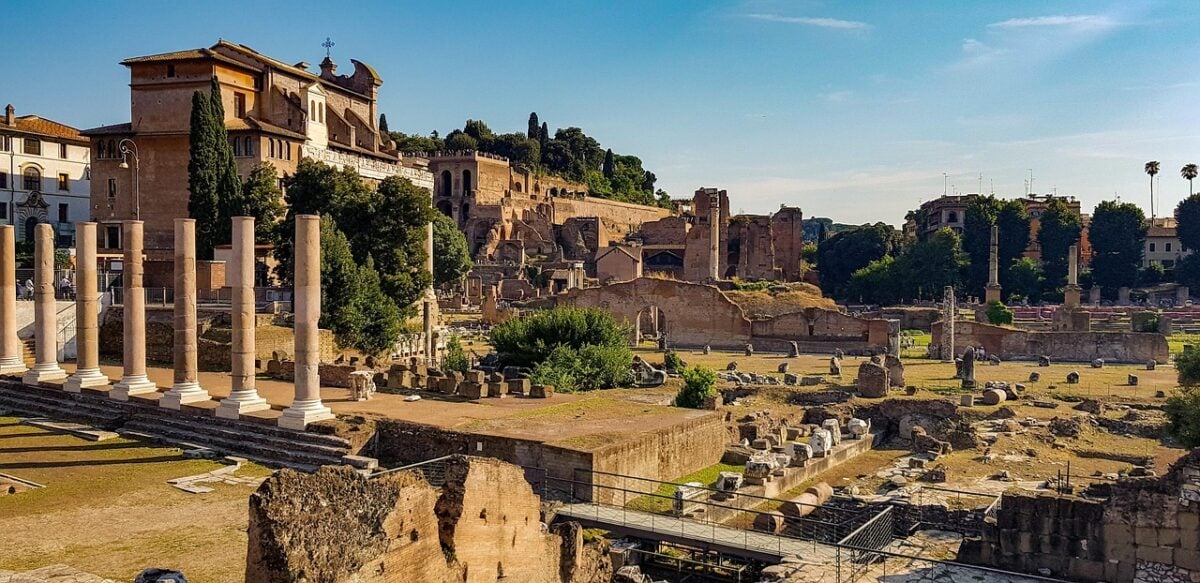
According to the traditional account, Commodus was first poisoned. When the poison failed to kill him quickly enough, a wrestler named Narcissus was brought in and strangled the emperor.
Commodus died on December 31, AD 192.
He was 31 years old.
His death brought an abrupt end to the Antonine dynasty.
But removing Commodus did not restore the stability Rome had enjoyed under earlier emperors.
Instead, it exposed one of the empire’s most dangerous weaknesses:
There was no universally accepted system for deciding who should rule next.
STRANGE BUT TRUE
Commodus was assassinated on the final day of AD 192. The very next day, January 1, AD 193, Pertinax became emperor—beginning a year in which Rome would see five different men compete for imperial power.
Who Became Emperor After Commodus?
So who became emperor after Commodus?
The immediate successor was Pertinax, a respected senator and experienced military commander.
Following Commodus’s assassination, Pertinax was proclaimed emperor at the beginning of AD 193.
His reign lasted less than three months.
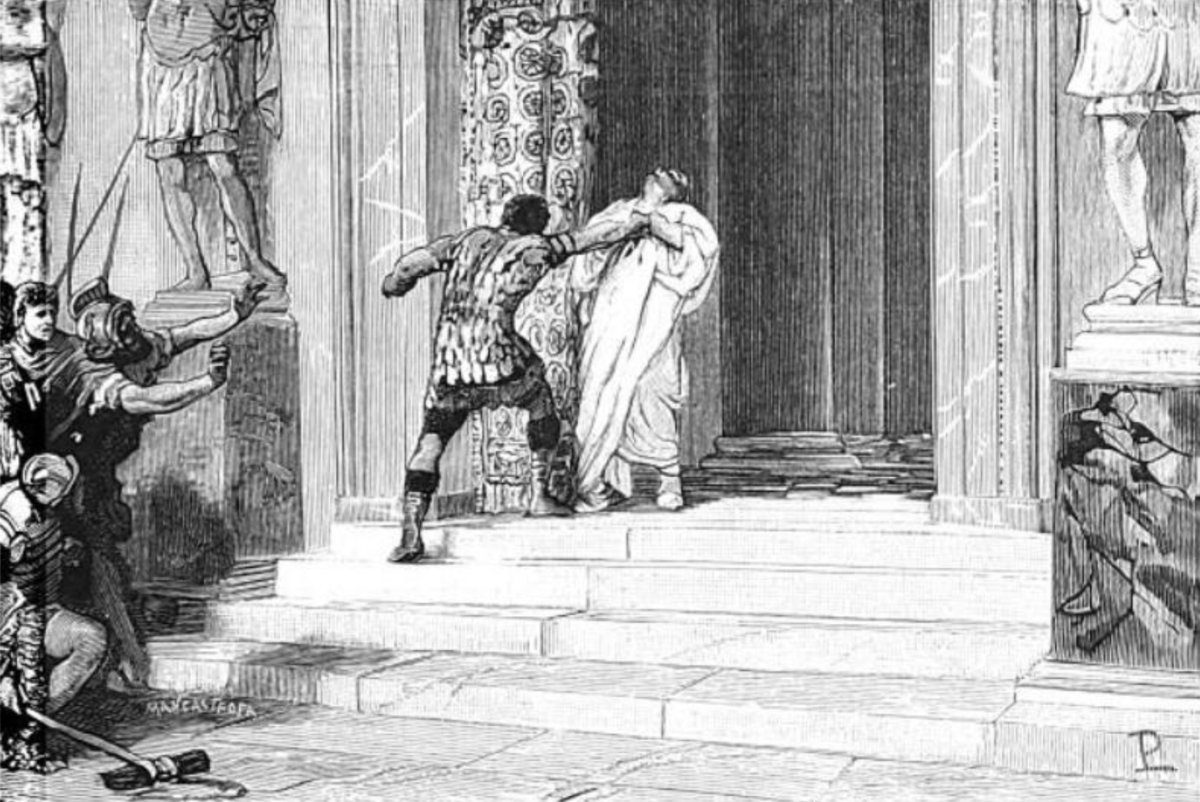
Pertinax attempted to restore discipline and repair some of the problems associated with Commodus’s government, but he quickly came into conflict with the Praetorian Guard.
On March 28, AD 193, members of the Guard murdered him.
What happened next became one of the most notorious episodes in Roman imperial history.
The Praetorian Guard effectively offered imperial power to competing candidates, and Didius Julianus emerged as emperor after promising the soldiers substantial payments.
Rome’s provincial armies refused to accept the situation.
Powerful generals—including Septimius Severus, Pescennius Niger, and Clodius Albinus—entered the struggle for control of the empire.
The result was the Year of the Five Emperors.
The Year of the Five Emperors
AD 193 revealed how quickly Roman political stability could collapse.
Within a single year, five men were recognized or proclaimed as emperor:
Pertinax, Didius Julianus, Pescennius Niger, Clodius Albinus, and Septimius Severus.
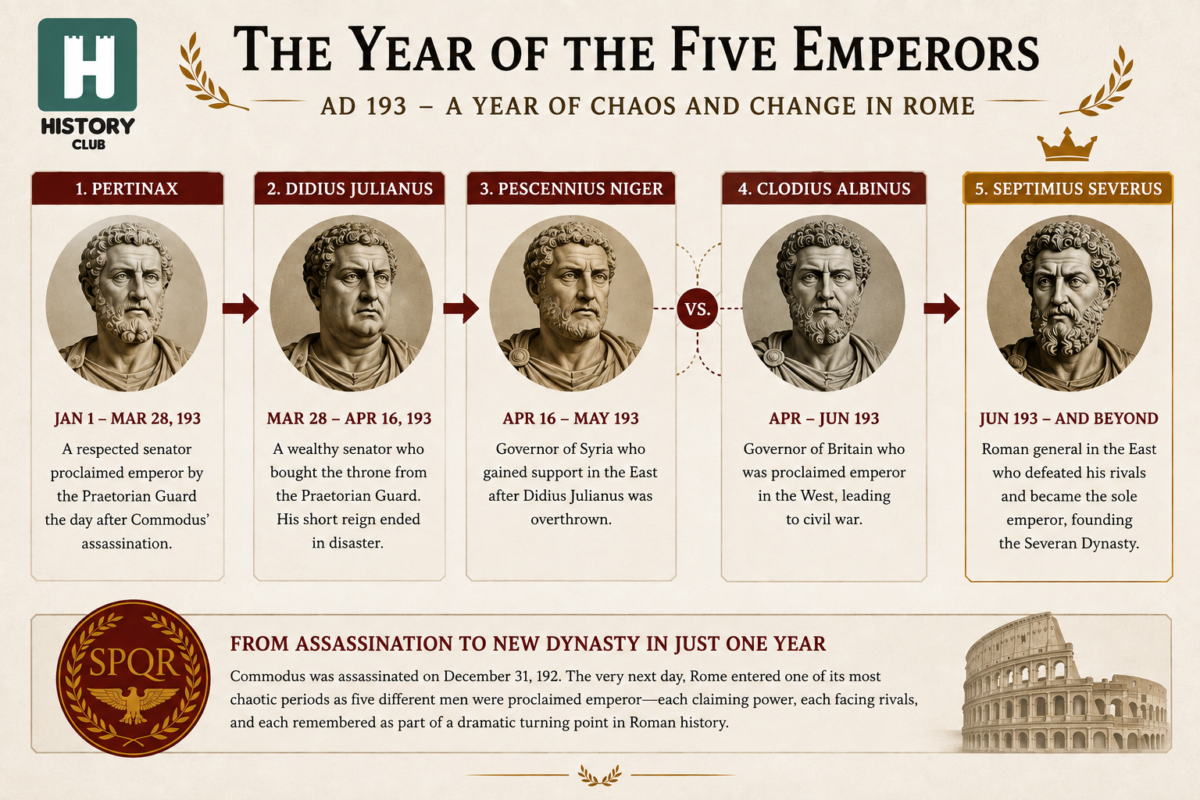
Ultimately, Septimius Severus emerged victorious from the civil wars and established a new imperial dynasty.
This is one of the strongest arguments for treating Commodus’s death as the end of an era.
The relatively orderly succession associated with the Antonine emperors had disappeared.
Military strength now played an increasingly obvious role in determining who controlled the imperial throne.
Yet this still leaves the central question.
Did Commodus actually end Rome’s Golden Age?
Did Commodus Really End Rome’s Golden Age?
Commodus frequently appears on lists of the worst Roman emperors, alongside rulers such as Caligula, Nero, and Caracalla.
THE GREAT IRONY
Commodus is remembered today as the emperor who helped bring Rome’s Golden Age to an end. Yet Cassius Dio records that during Commodus’s own lifetime, his reign was officially proclaimed a “Golden Age” and the designation was ordered to appear in public records.
Traditionally, Commodus has been portrayed as the emperor whose disastrous reign brought Rome’s greatest period of prosperity to an end.
There is some justification for that interpretation.
His reign represented a dramatic break from the image cultivated by Marcus Aurelius. Commodus’s relationship with the Senate deteriorated, conspiracies and executions destabilized the imperial court, and his obsession with Hercules and gladiatorial performance damaged his reputation among Rome’s political elite.
Most importantly, his assassination ended the Antonine dynasty and was followed almost immediately by a succession crisis and civil war.
In that sense, Commodus’s reign did mark the end of Rome’s Golden Age.
But saying that Commodus single-handedly caused Rome’s decline goes too far.
Many of Rome’s problems had appeared before he became sole emperor.
Marcus Aurelius had already faced major wars along the northern frontier. The Antonine Plague had placed enormous demographic and economic pressure on the empire. Maintaining Rome’s vast borders required enormous military expenditure, while imperial succession remained dangerously dependent on the character and political position of individual emperors.
Nor did the Roman Empire collapse after Commodus.
Septimius Severus eventually reunited the empire, founded a new dynasty, and demonstrated that Rome remained an extraordinarily powerful state.
The Western Roman Empire would survive for almost another three centuries.
Commodus is therefore better understood as a turning point rather than the man who caused the fall of Rome.
His reign exposed weaknesses in Rome’s political system that had been easier to overlook during the long period of competent emperors who preceded him.
And his assassination showed how dangerous those weaknesses could become.
Legacy of Emperor Commodus
Commodus remains one of the most infamous emperors in Roman history.
His gladiatorial performances, identification with Hercules, hostility toward sections of the Senate, and violent death created an irresistible story for both ancient historians and modern popular culture.
Yet separating the historical Commodus from the legend surrounding him is difficult.
Many of the surviving literary accounts were written from the perspective of Rome’s political elite—the very class Commodus antagonized. Their hostility does not mean their accounts should simply be dismissed, but it does mean they need to be read critically.
DID YOU KNOW?
Commodus’s disgrace did not last forever. After establishing his own rule, Septimius Severus rehabilitated Commodus’s memory and arranged for him to be officially deified—turning the condemned emperor into a god.
What is much clearer is the significance of what followed his death.
The murder of Commodus ended the Antonine dynasty. Pertinax survived less than three months. The Praetorian Guard intervened dramatically in imperial politics. Rival armies backed rival emperors, and Rome descended into civil war.
That makes AD 192–193 one of the clearest dividing lines in Roman imperial history.
So, did Commodus end Rome’s Golden Age?
Not by himself.
The pressures confronting the Roman Empire were larger than any one emperor, and some had already emerged during the reign of Marcus Aurelius.
But Commodus’s increasingly unstable rule, his assassination, and the violent struggle for succession that followed transformed those underlying weaknesses into a political crisis.
Rather than the emperor who began Rome’s inevitable fall, Commodus is better remembered as the ruler whose reign marked the end of one remarkably stable era—and the beginning of a far more uncertain one.
Explore More of Ancient Rome
Commodus ruled at a turning point in Roman history, but his reign was only one chapter in a much larger story of ambitious emperors, military power struggles, frontier wars, and political upheaval.
Continue exploring ancient Rome with these stories:
- The Worst Roman Emperors in History — Commodus was far from the only Roman ruler whose reign became associated with paranoia, violence, extravagance, and political instability. See how he compares with emperors such as Caligula, Nero, Caracalla, and Elagabalus.
- Caligula: Just How Mad Was He? — Long before Commodus entered the arena, another young emperor became infamous for his behavior, his clashes with Rome’s political elite, and his violent assassination. But how much of Caligula’s reputation was fact—and how much came from hostile ancient writers?
- Maximinus Thrax: The Giant Soldier Turned Emperor — Just a few decades after Commodus, Maximinus rose from the army to become emperor, revealing how dramatically military support had come to influence who controlled the Roman throne.
- Belisarius, the Last Roman — Commodus is often associated with the beginning of Rome’s long decline. Jump forward several centuries to meet one of the commanders who fought to restore Roman power in a very different empire.
From the heights of Rome’s Golden Age to the struggles that followed, the story of Commodus is a reminder that Rome did not fall in a single moment—it changed through the ambitions, mistakes, victories, and failures of the people who ruled it.
What Do You Think? Did Commodus End Rome’s Golden Age?
Was Commodus truly the emperor who brought Rome’s Golden Age to an end, or has history placed too much blame on one controversial ruler?
If you’re a fellow history lover, we’d love to hear your take. Share your thoughts in the comments below, and tell us whether you think Commodus deserves his infamous reputation.





.jpg)
