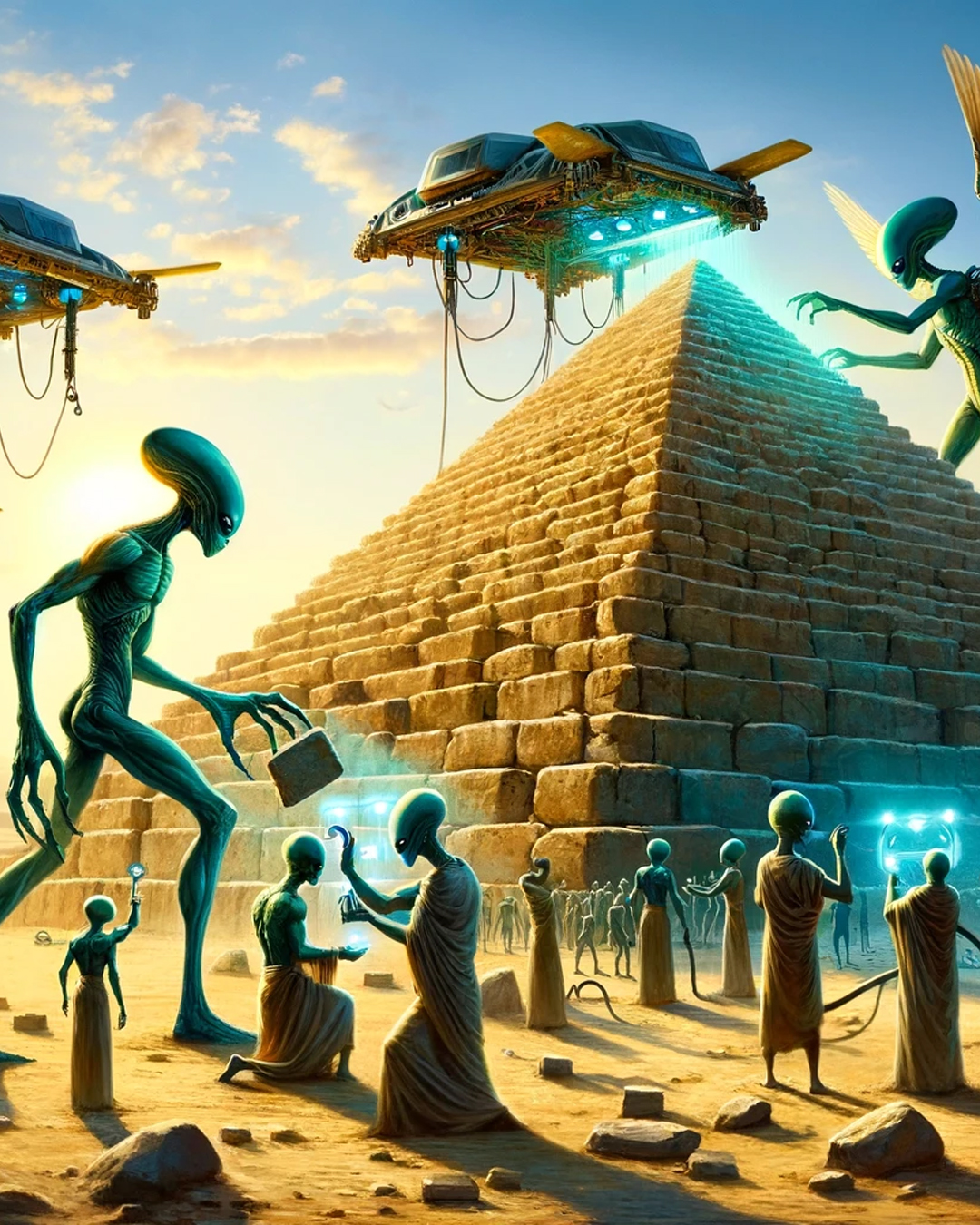
Some bad history survives because somebody got the facts wrong.
The really durable myths survive because they’re better stories.
Table of Contents
Napoleon becomes a furious little man. Vikings get enormous horns on their helmets. Marie Antoinette hears that people are starving and tells them to eat cake. Nero watches Rome burn while casually playing the fiddle.
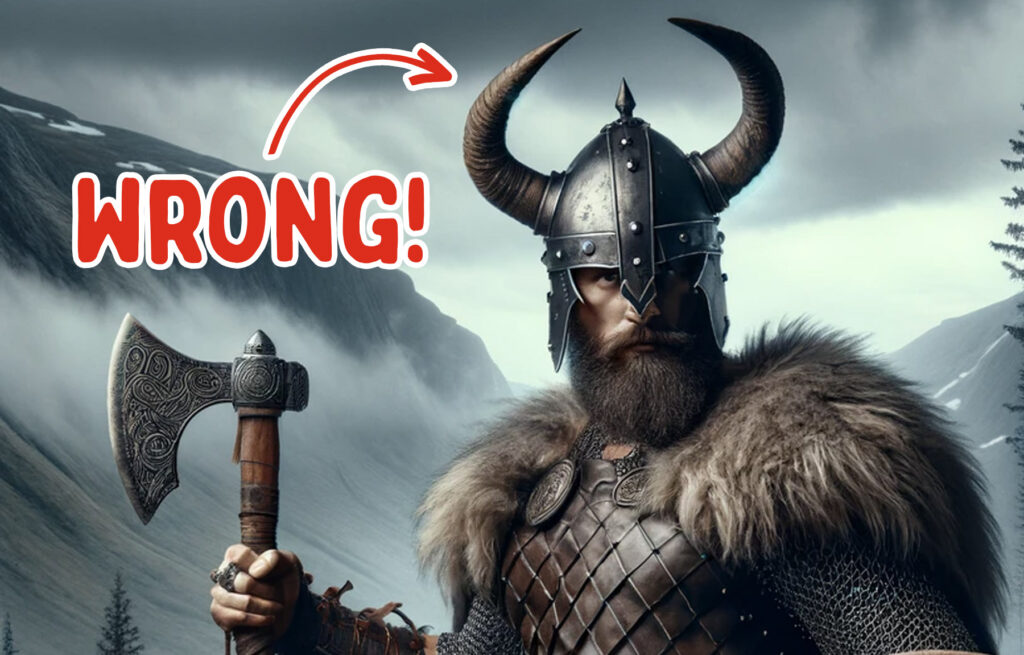
Once an image like that gets into textbooks, movies, cartoons, and everyday conversation, it can hang around for centuries.
Here are 12 famous pieces of history that didn’t happen quite the way most of us were told.
How Do Historical Myths Become “Facts”?
Most of these stories didn’t appear out of nowhere. They grew from propaganda, bad translations, dramatic retellings, old schoolbooks, and later movies or television.
Sometimes the legend becomes more famous than the evidence. The Viking world is a good example: the popular image of horned warriors has little to do with surviving helmets, while figures such as Ragnar Lothbrok sit somewhere between recorded history and centuries of storytelling. Even genuine Viking achievements can sound mythical—Norse explorers really did reach North America centuries before Columbus.
That’s what makes these misconceptions so stubborn. The false version is usually simpler, more visual, and easier to remember.
Now for the stories that history got wrong.
1. The Lie: Napoleon Was Tiny
Napoleon was short. Everybody knows that.
Except he really wasn’t.
After his death in 1821, Napoleon’s physician recorded his height as five feet two inches using the old French measurement system. A French foot was longer than a British foot, so converting the figure literally into British inches makes him seem much shorter than he was.
In modern measurements, he was roughly 5 feet 6½ inches to 5 feet 7 inches tall, around 168–170 centimeters. That put him around average height, perhaps a little above it, for a French man of his period.
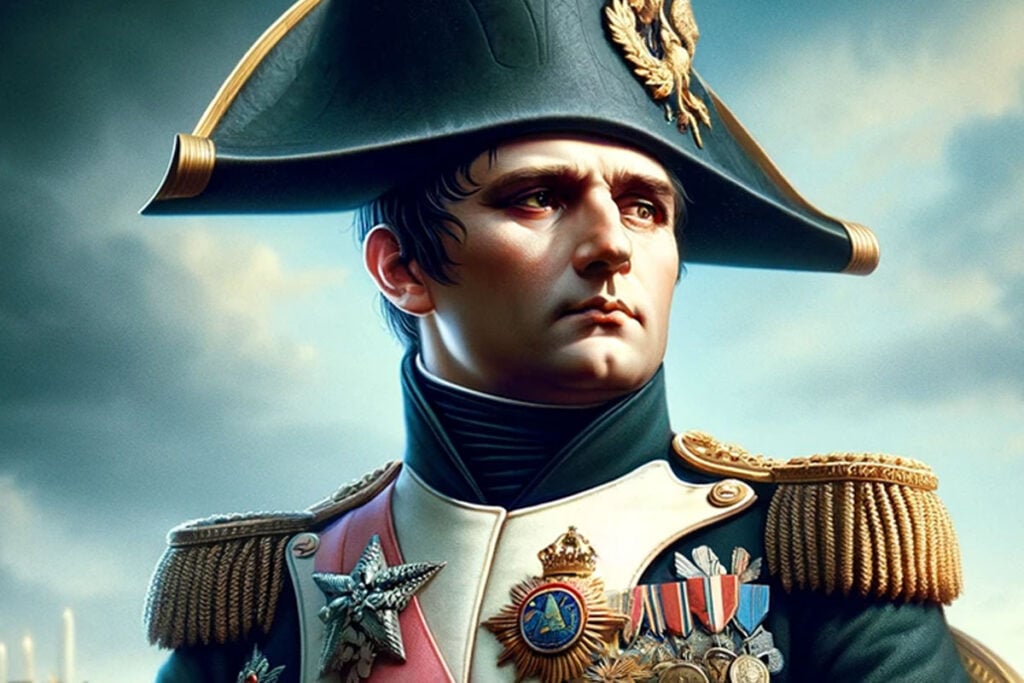
The tiny Napoleon we remember owes more to political cartoons than biology. British caricaturists loved drawing their enemy as an angry, child-sized tyrant. James Gillray was particularly good at it.
Napoleon’s reputation has been distorted in other ways, too. His rise from Corsican officer to emperor was remarkable enough without turning him into a cartoonishly tiny tyrant.
The joke lasted more than 200 years.
Why people still believe it: Propaganda gave us a much more memorable Napoleon than his actual measurements did.
2. The Lie: Vikings Wore Horned Helmets
No self-respecting movie Viking seems able to leave home without two giant horns sticking out of his helmet.
Actual Viking warriors apparently managed just fine without them.
There is no convincing evidence that Viking-age fighters routinely wore horned helmets in battle. The best-known surviving Viking helmet, discovered at Gjermundbu in Norway, is an iron helmet with a rounded cap and protective guard around the eyes and nose.
Not a horn in sight.
The familiar horned Viking appeared much later. Nineteenth-century artists embraced the look, and costume designer Carl Emil Doepler helped cement it with his designs for Wagner’s Der Ring des Nibelungen in 1876.
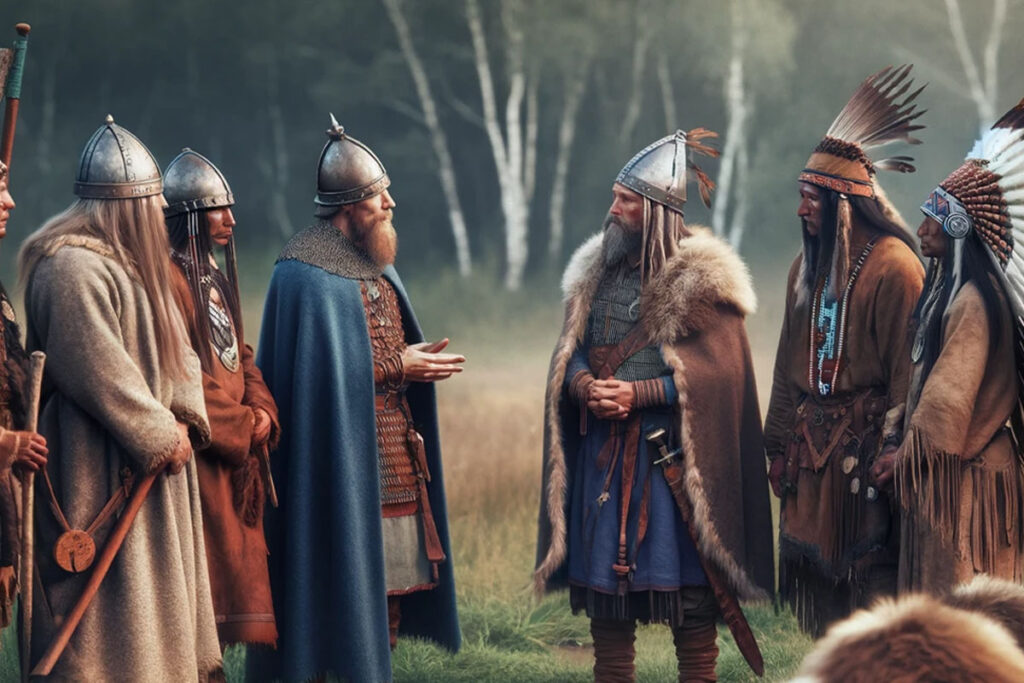
From there, the horns took over.
They looked great on stage. Historical accuracy never stood much of a chance.
3. The Lie: Columbus Proved the Earth Was Round
Christopher Columbus did not sail west in 1492 to prove the Earth was round to people who thought he might fall off the edge.
Educated Europeans had known the Earth was spherical for centuries. The idea went back to antiquity and remained part of medieval scholarly astronomy. Even NASA notes that ancient Greek and Egyptian observers had worked out the planet’s curvature from shadows and the movement of stars.
The dispute around Columbus was about something much more practical:
How big was the Earth?
Columbus seriously underestimated its circumference. He believed Asia could be reached by sailing west across a much shorter stretch of ocean than it actually required.
The experts who doubted his numbers had good reason.
Columbus never reached Asia. He encountered the Americas, which happened to lie between Europe and his intended destination.

So Columbus did not prove everyone else wrong about the shape of the planet. On one of the most important calculations behind his voyage, they were closer to right than he was.
Why people still believe it: “One brave explorer challenges a world of flat-Earthers” is a terrific classroom story. The real argument involves geography and bad math.
4. The Lie: Marie Antoinette Said “Let Them Eat Cake”
It may be the most famous thing Marie Antoinette never said.
According to the story, the French queen was told that ordinary people had no bread. Her response:
“Let them eat cake.”
There is no reliable evidence that the exchange happened.

A similar remark appears in Jean-Jacques Rousseau’s Confessions, where an unnamed “great princess” supposedly suggests that people without bread eat brioche. Rousseau was writing the passage years before Marie Antoinette became queen, and versions of the story were attached to other aristocratic women as well.
Marie Antoinette was certainly unpopular. Her spending and royal lifestyle made her an easy symbol for a monarchy increasingly seen as detached from the hardship outside palace walls.
That probably helped the quote find its perfect owner.
It sounded exactly like something people wanted to believe she had said.
5. The Lie: You Can See the Great Wall of China From the Moon
The Great Wall is huge.
That doesn’t mean you can see it from the Moon.
NASA has repeatedly addressed this myth. From the lunar surface, the Wall is not visible to the unaided human eye. Even from low Earth orbit, NASA says it can be difficult or impossible to distinguish without magnification and unusually favorable conditions.
The problem is easy to understand once you stop thinking about the Wall’s length.

What matters is its width and contrast.
Much of the Wall is relatively narrow and built from materials that blend into the surrounding landscape. A very long, thin object can still be extremely hard to spot from hundreds of miles away.
Cities, airports, roads, reservoirs, and other large human-made features can be easier to identify from orbit.
The strange part is that versions of the Great Wall claim circulated before humans had even gone into space.
6. The Lie: One Assassination Caused World War I
On June 28, 1914, Gavrilo Princip shot Archduke Franz Ferdinand and his wife, Sophie, in Sarajevo.
A little more than a month later, Europe was at war.
So it’s tempting to draw a straight line between the two events.
The assassination was the trigger. It wasn’t the whole cause.
Europe in 1914 was already divided by rival alliances, military expansion, nationalism, imperial competition, and a growing struggle for power among the major states. The Imperial War Museums describes the decisions that led to war as taking place against exactly that background.
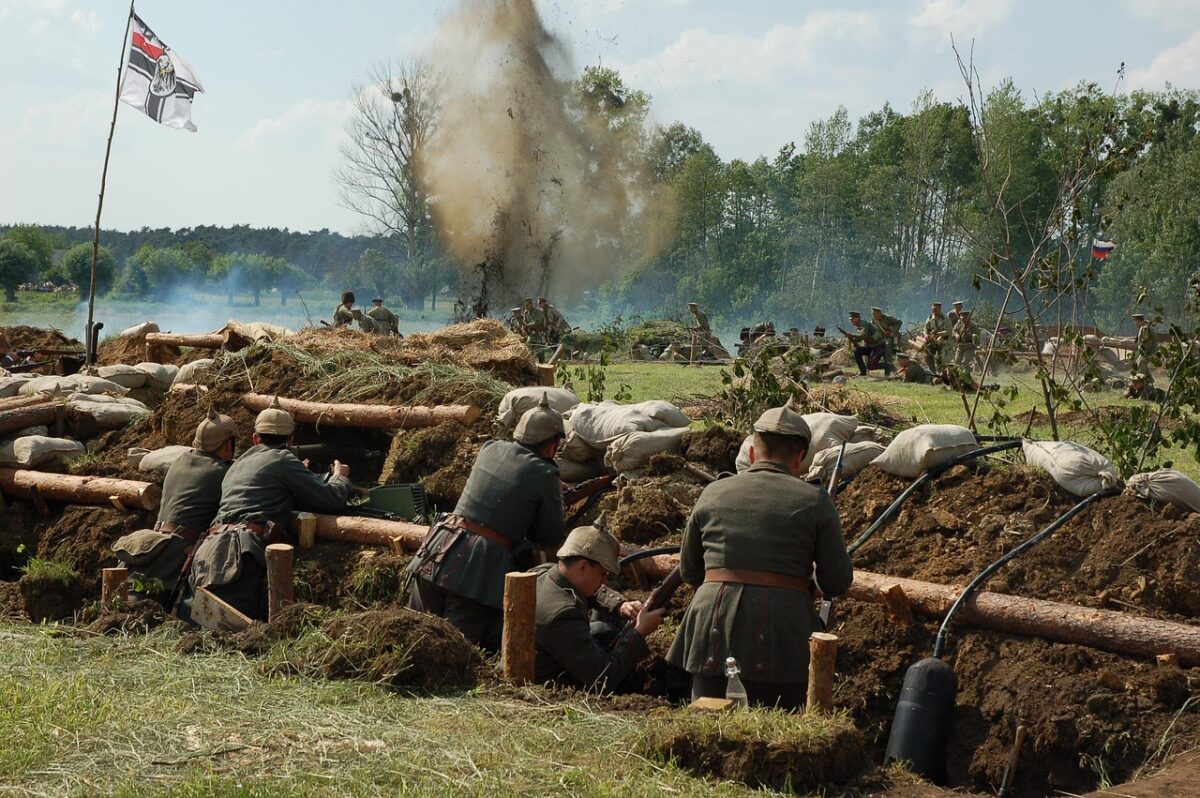
Then came the July Crisis.
Austria-Hungary confronted Serbia. Russia began mobilizing. Germany supported Austria-Hungary and declared war on Russia and France. Germany’s invasion of Belgium brought Britain into the conflict.
What began as an assassination in Sarajevo became a European war with astonishing speed.
Princip struck the match, but the room was already full of fuel.
7. The Lie: Salem “Witches” Were Burned at the Stake
The image is everywhere: a woman tied to a wooden stake while flames rise around her.
That was not how the Salem witch trials ended for the accused.
In 1692, 19 people convicted of witchcraft were hanged in colonial Massachusetts. Giles Corey, an older adult who refused to enter a plea, was pressed beneath heavy stones until he died. Several other accused people died in jail.
Nobody convicted in the Salem proceedings was burned at the stake.

Burning did occur in some European witch persecutions, which likely helped merge the two images in popular memory.
Salem needed no embellishment. What actually happened was brutal enough.
8. The Lie: George Washington Had Wooden Teeth
George Washington’s teeth were a disaster.
By the time he became president, he had only one natural tooth left.
But his dentures were not wooden.
Washington owned several sets made from an unsettling assortment of materials: human teeth, animal teeth, lead, gold, silver alloys, brass, and ivory from animals including hippopotamuses and walruses. Mount Vernon’s records are unusually detailed about their construction.
![Lithograph printed by Pendleton's Lithography from an original series painted by Gilbert Stuart, [1828?]. Library of Congress Prints & Photographs Division. https://www.loc.gov/resource/cph.3a09915](https://www.myhistoryclub.com/wp-content/uploads/2026/08/lithograph-printed-by-pendletons-lithography-from-an-original-series-painted-by-gilbert-stuart-1828-library-of-congress-prints-photographs-division-httpswwwlocgovresourcecph3a09915-stockpack-unsplash-1200x1435.jpg)
The real story gets darker.
In 1784, Washington’s account books recorded a payment made to enslaved people at Mount Vernon for nine teeth, obtained for the French dentist Jean-Pierre Le Mayeur. The records do not establish that those particular teeth were placed in Washington’s own dentures, and Mount Vernon cautions against claiming that they were. The transaction itself, however, is documented.
Why did people end up believing the dentures were wood?
One possibility is simply appearance. Ivory dentures could stain and crack over time, giving them a grainy, wood-like look.
The fake version is quaint. The real one tells you considerably more about eighteenth-century dentistry—and eighteenth-century America.
9. The Lie: The Egyptian Pyramids Were Built by Enslaved People
Movies have made this scene almost impossible to shake: endless lines of enslaved people hauling massive stones while overseers crack whips.
Archaeology at Giza paints a different picture.
Excavations have uncovered settlements, food remains, bakeries, workshops, and graves associated with the people who built the pyramids. The evidence points to a large, organized Egyptian labor force that included skilled craftsmen and artisans as well as temporary laborers.
They were housed and fed as part of an enormous state construction project.
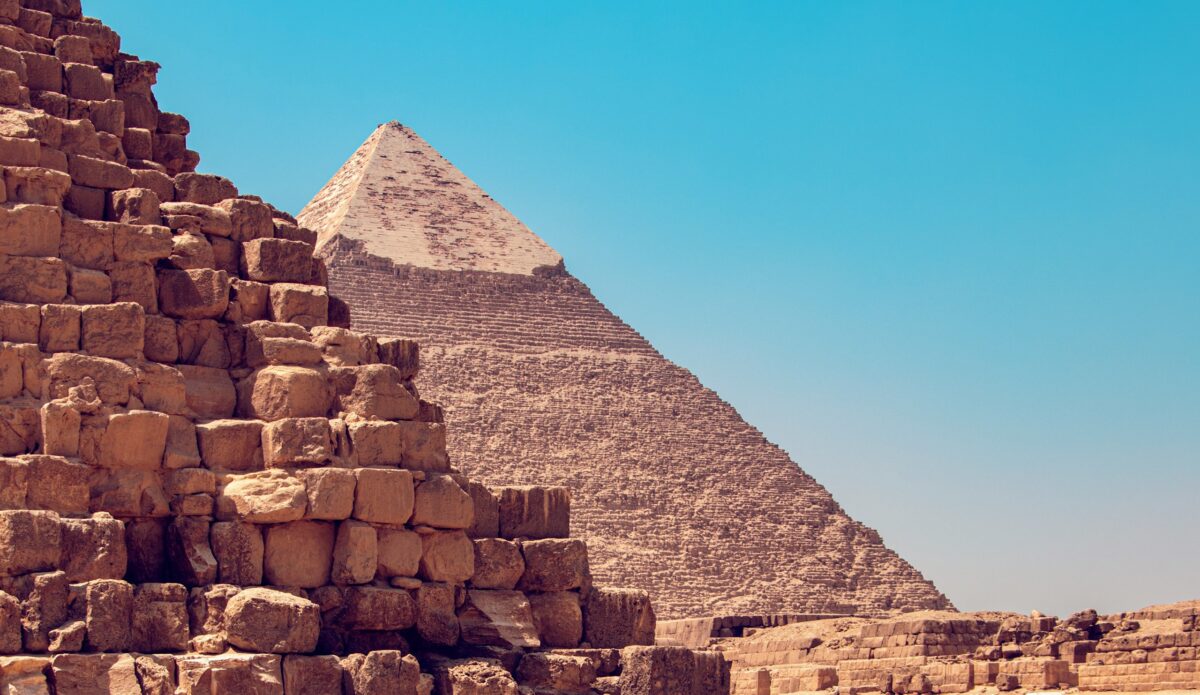
But this is where another myth sometimes sneaks in.
Correcting “the pyramids were built by chained slaves” does not mean every worker showed up voluntarily for a well-paid construction job.
Ancient Egypt used compulsory labor, including forms of corvée labor, in which subjects owed periods of work to the state. Slavery also existed in Egyptian society.
So the reality sits between two Hollywood versions.
The pyramids were not simply built by armies of shackled enslaved people. Nor should the workforce be imagined as modern employees choosing between job offers.
Thousands of years later, the labor system is more complicated—and much more interesting—than either story.
The workforce is only one part of what archaeologists are still piecing together at Giza. Even today, questions about how the Great Pyramid was built continue to inspire new theories and discoveries.
10. The Lie: Medieval Europeans Never Bathed
For some reason, the Middle Ages are often imagined as a thousand-year stretch in which everybody smelled terrible and considered water dangerous.
Medieval hygiene was certainly nothing like modern hygiene.
Running water was rare. Heating enough water for a full bath took fuel and effort. Streets and sanitation could be appalling.
But Europeans did wash.
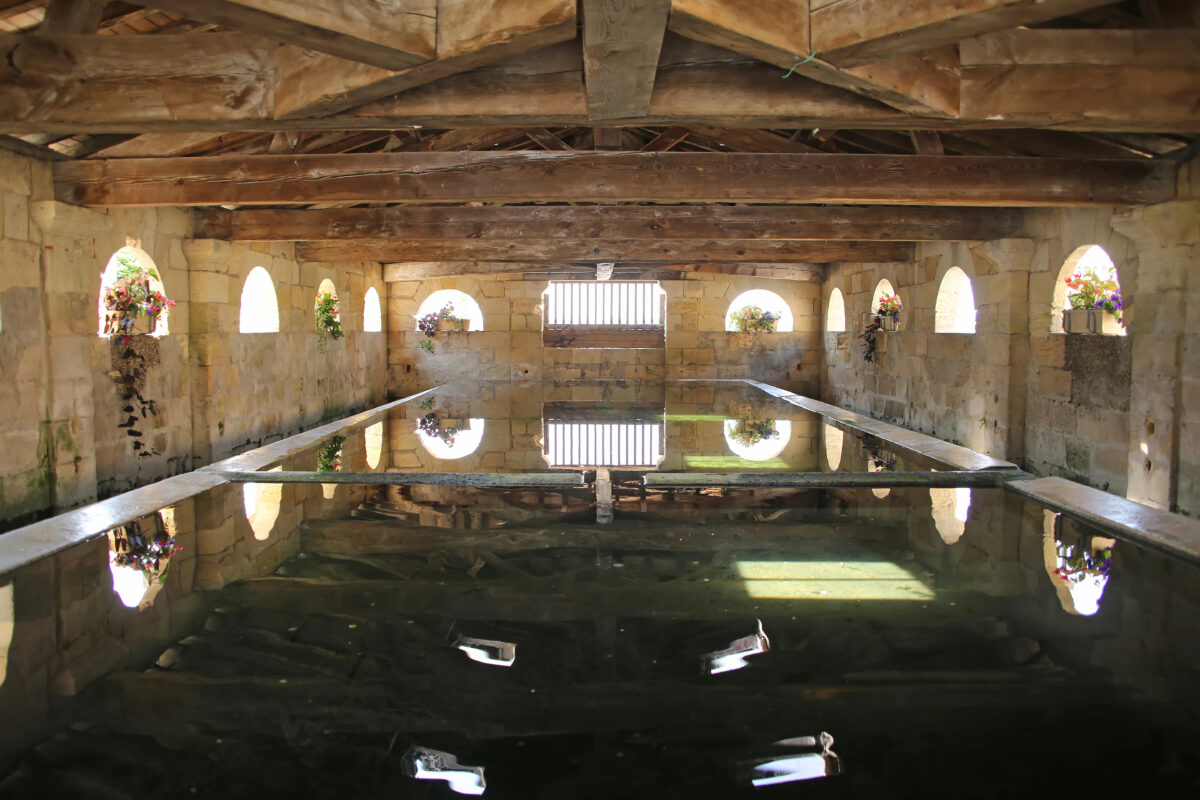
Public bathhouses operated in medieval towns and cities. Nuremberg, for example, had numerous public baths. People also washed using basins and jugs when a full bath was impractical. Bathing could serve social, recreational, and medical purposes as well as simple cleanliness.
Practices varied wildly by century, region, wealth, and religious community. Some monastic rules restricted full baths, while wealthy households could arrange much more elaborate ones.
That variation matters.
“Medieval people never bathed” takes an enormous period covering millions of people and turns it into one dirty stereotype.
Curiously, attitudes toward frequent immersion bathing became more suspicious in parts of Europe later, around the transition into the early modern period.
So the supposedly filthy Middle Ages were not always the low point people imagine.
Their ideas about disease were another matter. During plague outbreaks, people tried everything from bloodletting and fumigation to some truly bizarre failed cures for the plague.
11. The Lie: Everyone Signed the Declaration of Independence on July 4
John Trumbull’s famous painting helped give Americans a wonderfully neat mental picture of independence:
July 4, 1776. The Declaration is finished. The Founding Fathers gather in Philadelphia and sign it.
The real timeline was messier.
- Congress voted for independence on July 2.
- It approved the final text of the Declaration on July 4.
- The famous engrossed parchment was then prepared, and most delegates began signing it on August 2, 1776.
Even August 2 wasn’t the end of it.
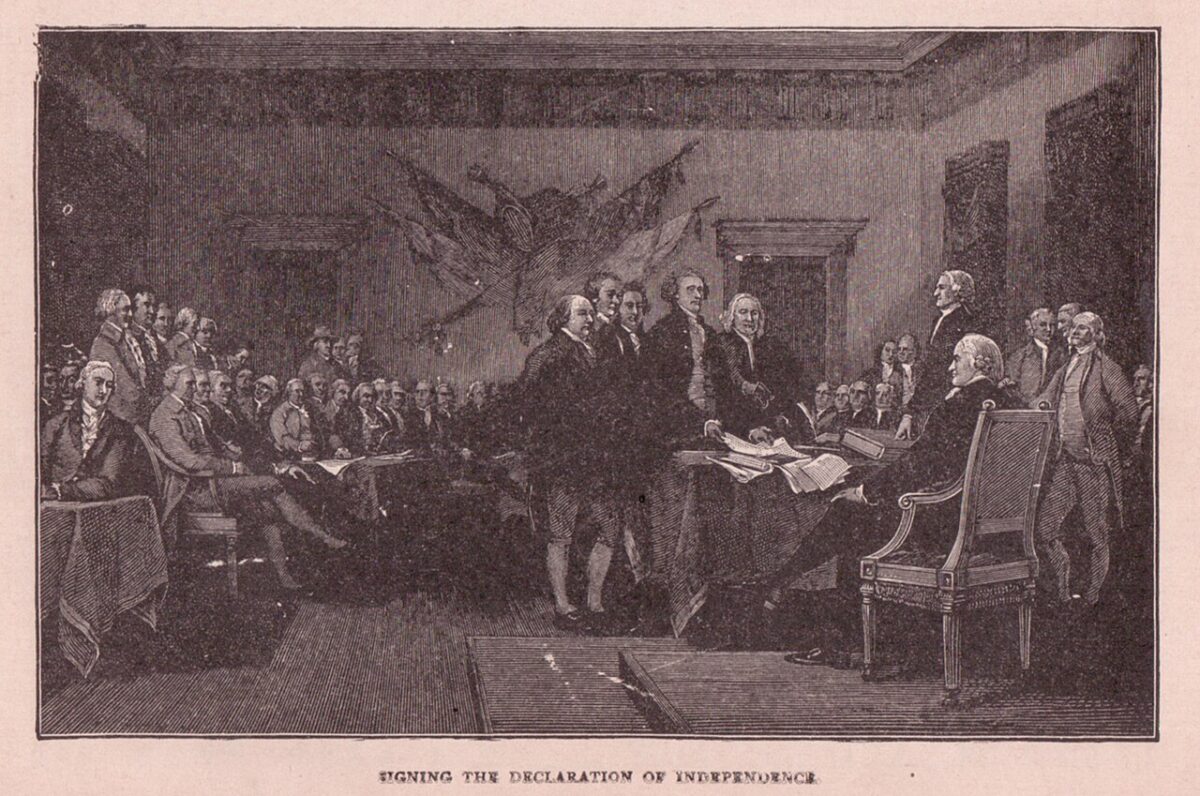
The National Archives records additional signatures appearing later. George Wythe signed in August, several delegates signed in September, Matthew Thornton signed in November, and Thomas McKean’s name was added much later.
July 4 is still the correct date printed on the Declaration and the day Congress formally adopted its text. It just wasn’t the giant signing ceremony most of us picture.
12. The Lie: Nero Fiddled While Rome Burned
There is an immediate problem with the famous image of Emperor Nero playing a fiddle while Rome went up in flames.
Fiddles didn’t exist yet.
The Great Fire of Rome began in AD 64 and devastated much of the city. Later stories accused Nero of performing music while the destruction unfolded, but ancient accounts are complicated and were written by authors who were hardly fans of the emperor.
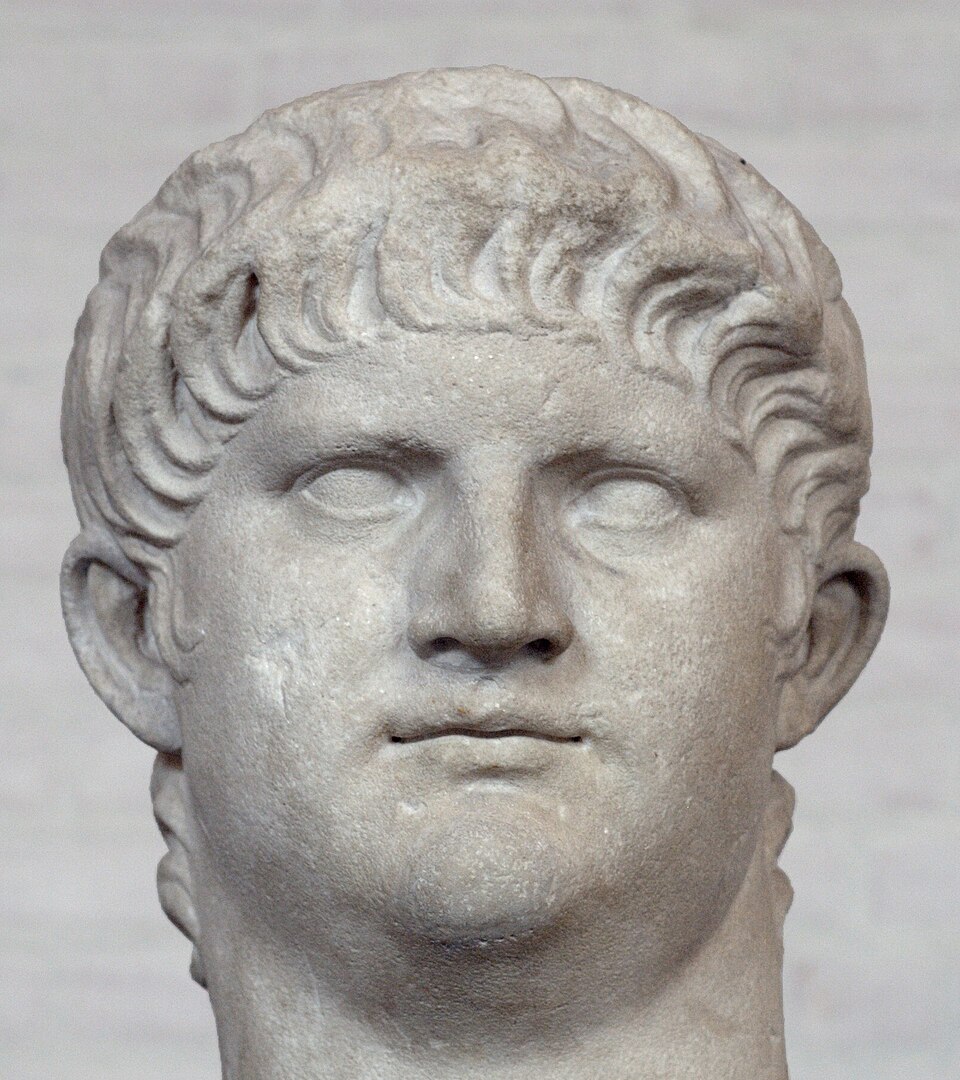
Nero already had one of the darkest reputations in Roman history, which made almost any scandal believable. He still appears prominently among the worst Roman emperors in history, although separating ancient gossip from evidence can be surprisingly difficult.
The Roman historian Tacitus says Nero was away from Rome when the fire started and returned as the disaster spread.
There were also accusations that Nero performed a song about the destruction of Troy while Rome burned. Whether that happened is much less certain.
What we can safely discard is the literal image that survived into the modern expression.
No violin. No fiddle.
“Nero fiddled while Rome burned” eventually became shorthand for a leader wasting time during a catastrophe, and the phrase was simply too good to lose.
Sometimes language preserves the myth long after history has corrected it.
Why Do Historical Myths Survive So Easily?
Look back through the list, and there’s a pattern.
The fake stories are wonderfully simple.
- Napoleon was short.
- Vikings wore horns.
- Marie Antoinette said one terrible sentence.
- One gunshot caused World War I.
- Enslaved people built the pyramids.
- Everyone signed the Declaration on the Fourth of July.
You can explain each one in seconds.
The truth asks for a little more room. Napoleon leads to British propaganda. Columbus leads to medieval astronomy and a badly underestimated planet. Washington’s supposedly wooden teeth open an uncomfortable window into early dentistry and slavery.
History gets untidy very quickly. That isn’t a flaw. Usually, that’s where the interesting part starts.
The Truth Is Usually Stranger
The funny thing about historical myths is that correcting them rarely makes history less interesting.
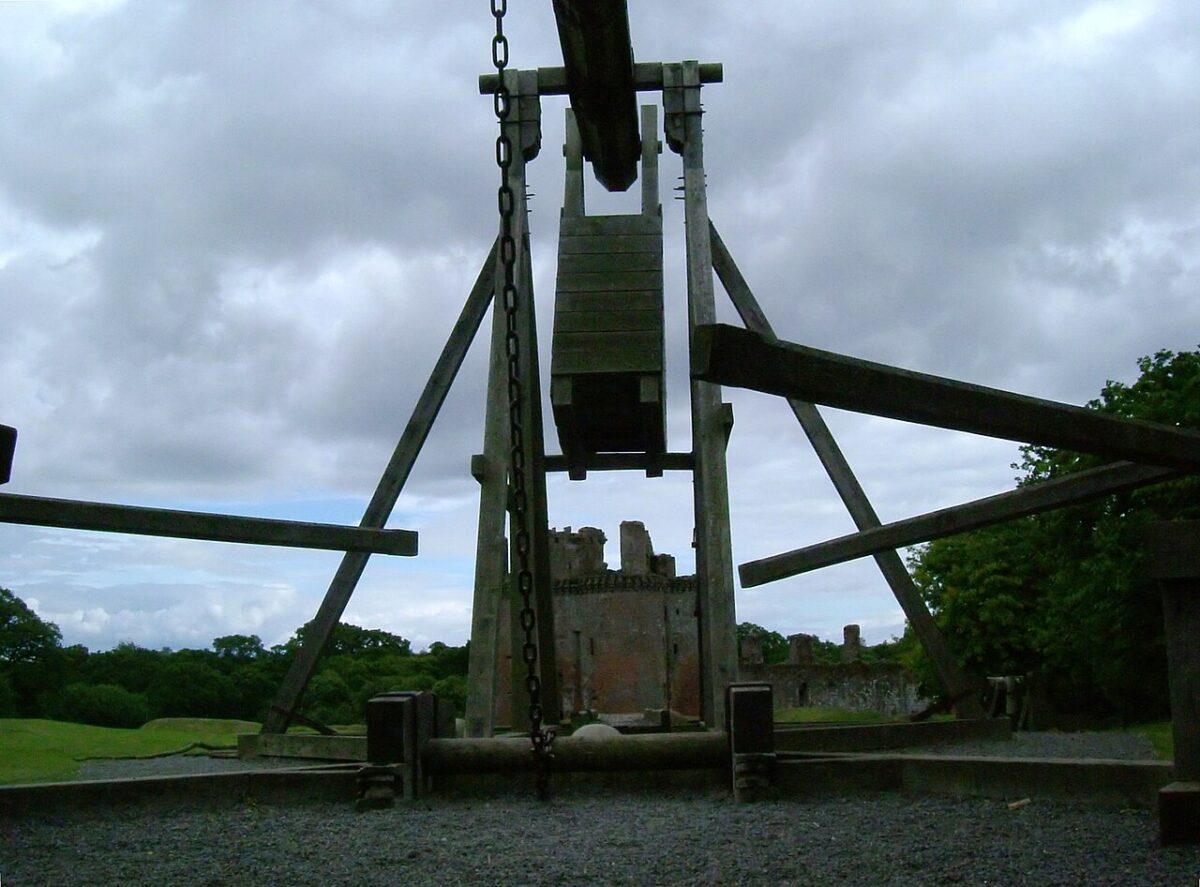
Take away the horned Viking helmets, and you still have warriors carrying weapons designed to hook riders from horses, punch through armor, and break castle defenses. Some of the strangest medieval weapons were completely real—and often had surprisingly practical reasons for looking so bizarre.
The same thing happens in more recent history. Nazi Germany’s supposed “wonder weapons” included rocket-powered fighters, guided bombs, enormous siege weapons, and designs that never escaped the drawing board. The reality behind these German WWII Wunderwaffe is far more interesting than the legends that later grew around them.
History doesn’t need much help being strange.
More History That Isn’t Quite What It Seems
Pirates are another good example. Movies gave us treasure maps, tavern songs, and endless adventure; real pirate life meant cramped ships, disease, rotten food, brutal injuries, and a very real chance of ending up on the gallows. Here’s why being a pirate wasn’t nearly as fun as the movies make it look.
And if you prefer the genuinely unusual to the outright mythical, history has no shortage of that either. The stories surrounding some of the strangest historical saints include pillar-dwellers, unusual patronages, miraculous legends, and lives that sound stranger than anything a screenwriter would invent.
That’s probably the safest rule when reading history: if a story sounds a little too perfect, check it.
The truth may ruin the myth; more often, it gives you a better story.
What’s the Strangest Historical Lie You’ve Ever Heard?
Everyone seems to have one: a “fact” they learned as a kid, repeated for years, and only later discovered was completely wrong. What’s the strangest historical myth or misconception you ever believed? Drop it in the comments. The weirder, the better.