Royal families have surrounded themselves with animals for thousands of years, but some of those animals became far more than decorative additions to palace life.
Queen Elizabeth II built a decades-long family of corgis descended from a dog she received for her 18th birthday. King Charles II was so distracted by his spaniels that a contemporary diarist complained. An Indian ruler became famous for staging an extravagant wedding for his dogs. And in Renaissance Portugal, the arrival of a rhinoceros caused such a sensation that it inspired one of the most famous animal images in European art.
Table of Contents
Not every animal associated with royalty was technically a pet. Some were treasured companions, while others were diplomatic gifts, members of royal menageries, or symbols of status and power.
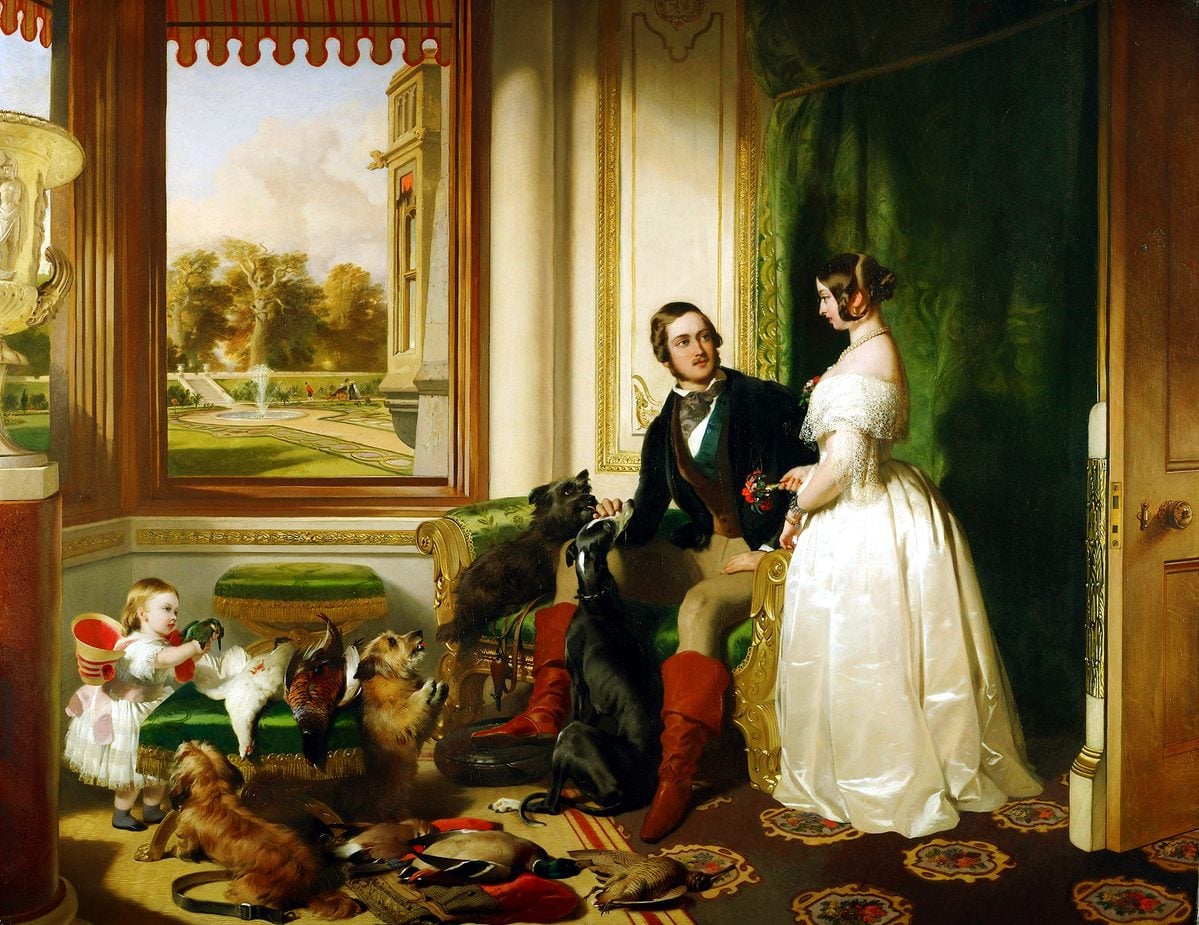
Here are 12 of history’s most memorable royal pets and remarkable royal animals, along with the stories that made them famous.
A Very Old Love Affair With Pets
People have been fussing over their animals for a very long time. The palaces were grander, the collars were fancier, and the pets were sometimes a lot stranger, but the basic instinct was the same: spoil them, worry about them, and tell everyone how wonderful they were.
Famous Royal Pets
For all the grandeur of royal life, many kings, queens, and princes formed relationships with surprisingly ordinary animals. Their dogs slept beside fires, followed them from room to room, and occasionally caused the same sort of trouble beloved pets still cause today.
These eight animals were more than a palace collection. They were genuine companions, and their relationships with their royal owners were recorded in letters, photographs, paintings, and personal accounts.
1. Susan: The Corgi That Began Queen Elizabeth II’s Royal Dynasty
Few royal pets are as instantly recognizable as Queen Elizabeth II’s corgis.
Corgis had entered the future Queen’s childhood years earlier. In 1933, her father, the future King George VI, acquired Dookie and later Jane for Princess Elizabeth and Princess Margaret. But the dog that truly began Elizabeth’s own famous corgi dynasty was Susan, given to her for her 18th birthday in 1944.
Susan became such a close companion that Princess Elizabeth took her along when she and Prince Philip left for their honeymoon in 1947.
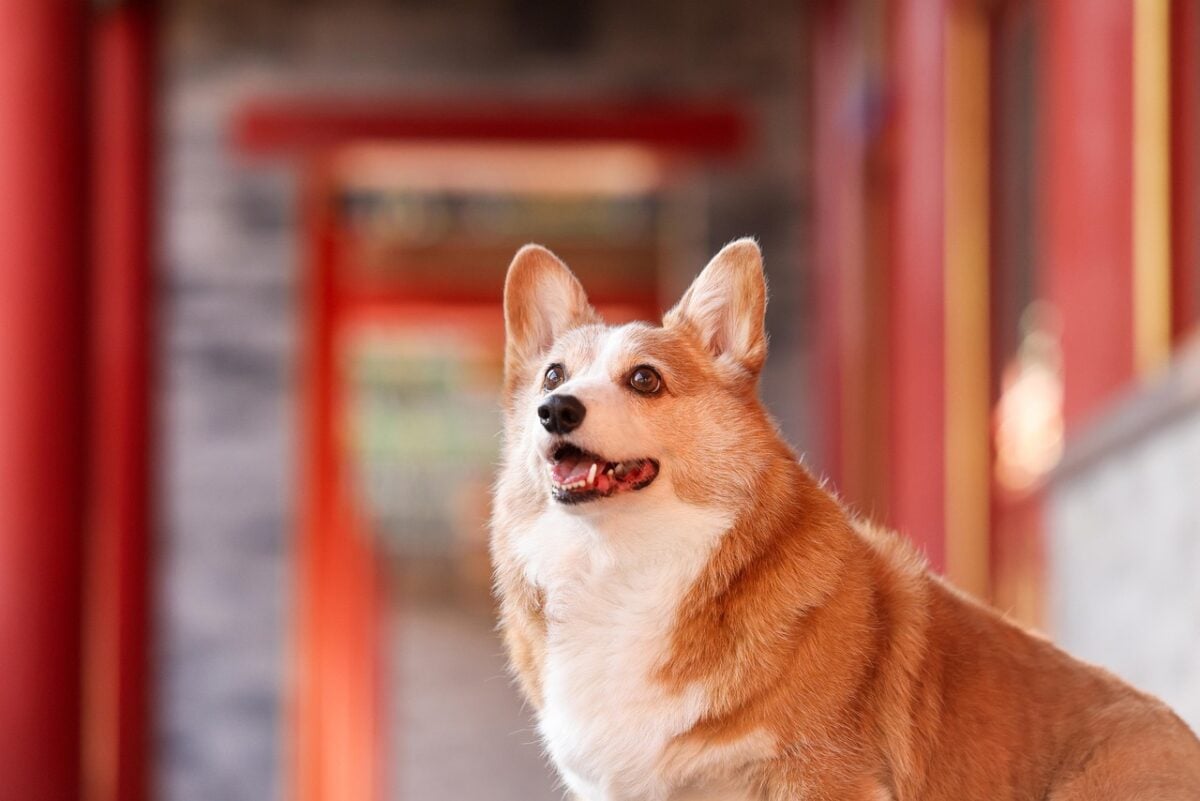
Over the decades that followed, the Queen owned more than 30 corgis and “dorgis” — crosses between corgis and dachshunds. The corgis she bred traced their lineage back to Susan, creating a canine family tree that stretched across much of Elizabeth II’s life.
The little Welsh dogs became so closely associated with the Queen that they eventually became almost as recognizable a symbol of her public image as Buckingham Palace itself.
Did You Know? Susan reportedly accompanied Princess Elizabeth and Prince Philip on their honeymoon, helping turn an 18th-birthday puppy into the beginning of one of the most famous royal canine lineages in history.
2. King Charles II’s Spaniels That Followed Him Everywhere
King Charles II did not merely like spaniels. By contemporary accounts, he kept them around him almost constantly.
After the monarchy’s restoration in 1660, small spaniels became fixtures of Charles’s court. They reportedly followed him through Whitehall Palace, into his private apartments, and even into meetings where government business was being discussed.
The diarist Samuel Pepys was less charmed than the king. In September 1667, after sitting in on a Council hearing at Whitehall, Pepys complained in his diary that Charles spent the whole session playing with his dog instead of paying attention to business.
A later legend claimed that Charles issued a decree allowing his spaniels into any public building, including Parliament. It makes a wonderful story, but no surviving evidence shows such a law existed.
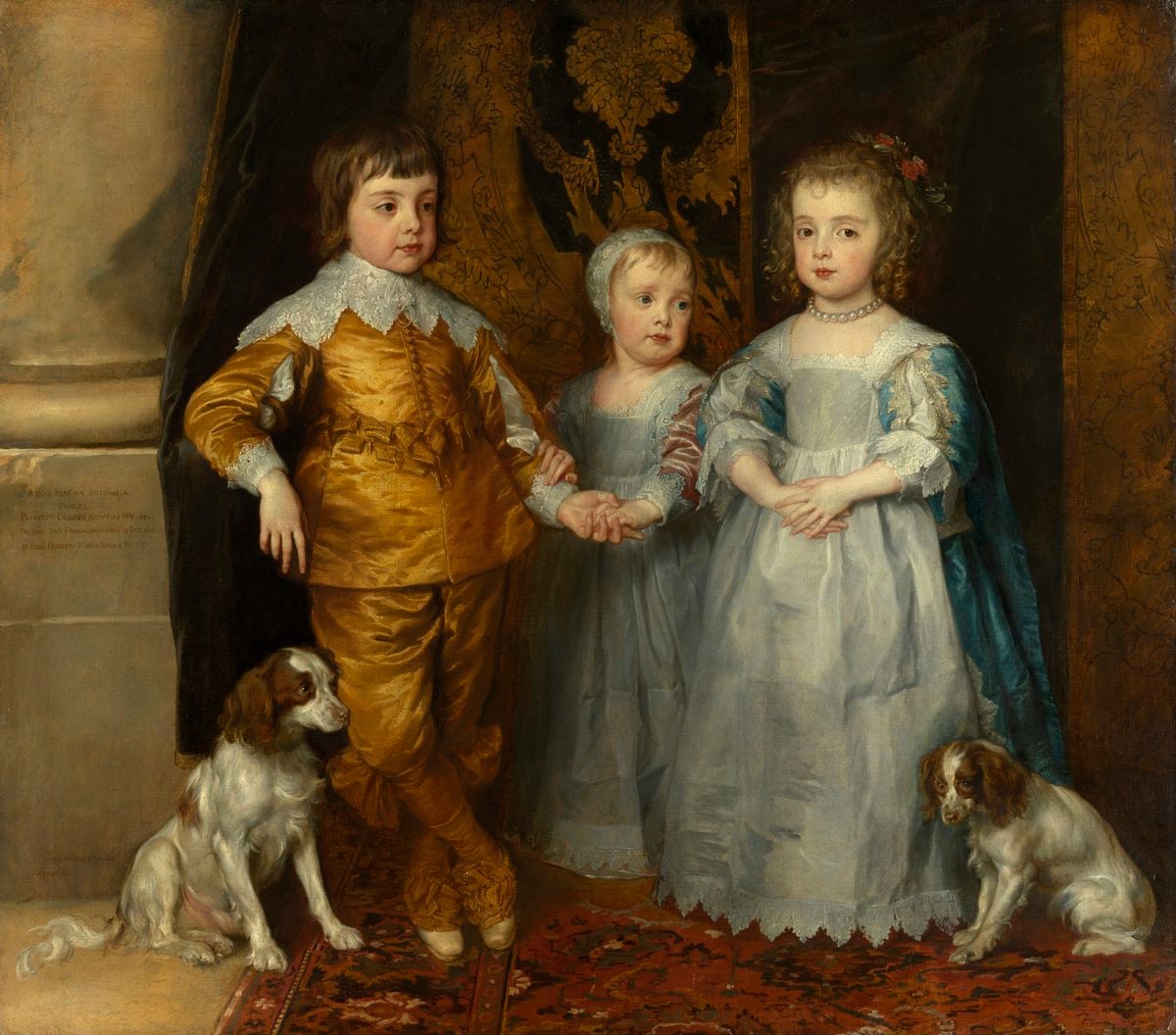
There is another twist. The modern Cavalier King Charles Spaniel is not exactly the dog Charles II knew. In the 1920s, breeders began deliberately recreating the longer-muzzled spaniels seen in paintings from Charles’s time.
That story is a good example of how easily historical myths can outlive the facts, especially when the legend is better than the truth.
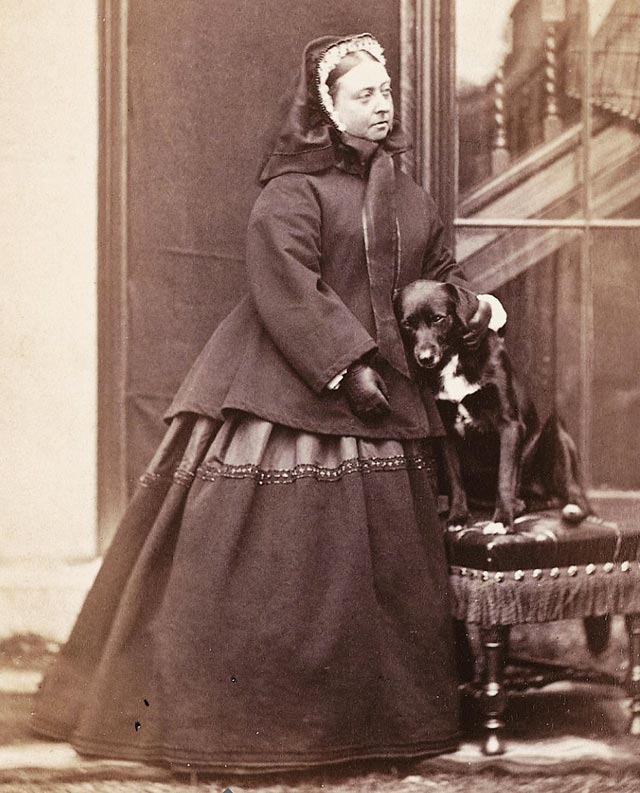
3. Dash: Queen Victoria’s Beloved Childhood Companion
Queen Victoria had many dogs over the course of her life, but Dash was there before she ever became queen.
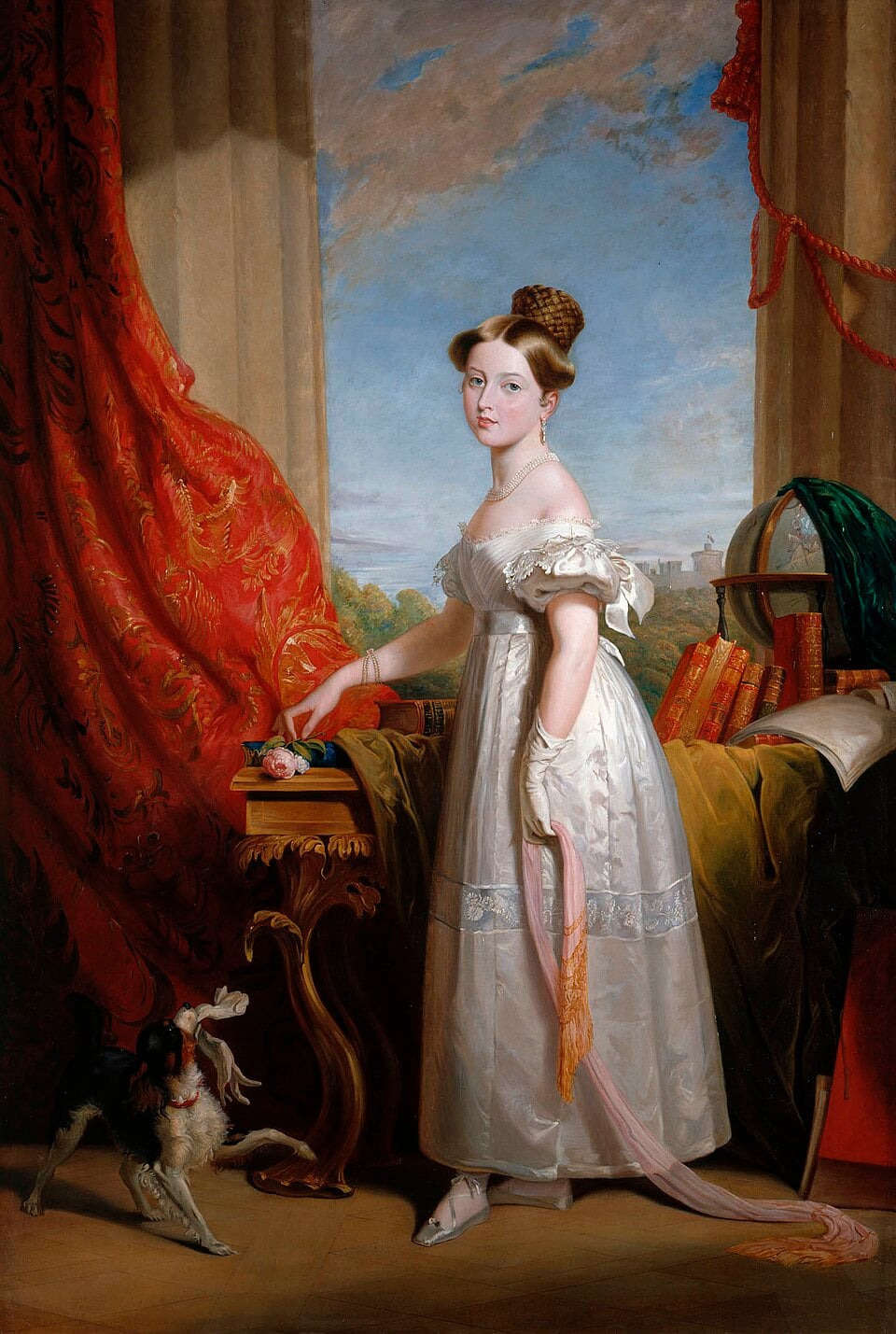
The little spaniel was a favorite during her teenage years, and Victoria wrote about him often. She called him “dear little Dashy” and once described him as “quite my playfellow,” which says a lot about the place he had in her life.
He also shows up in the portraits made during those years. In 1836, Sir Edwin Landseer painted Dash in a work commissioned by Victoria’s mother, the Duchess of Kent, as a birthday gift for her daughter.
Victoria would go on to own plenty of other dogs, but Dash belonged to a very different part of her life. He was with her when she was still a closely watched young princess, years before the black dresses, state ceremonies, and long reign that would define her public image.
For all the formality around her, Dash was simply her dog.
4. Noble: Queen Victoria’s Faithful Collie
Victoria continued to surround herself with dogs throughout her long reign, and one of her later favorites was a collie named Noble.
Lady Charles Ker gave Noble to the Queen on May 24, 1872, when the dog was about 14 months old. He remained one of Victoria’s favorites for more than 15 years.
Noble appeared in photographs and paintings of the royal household and lived much of his life around Victoria’s residences. In one painting, he appears alongside several of the Queen’s other dogs while Victoria sits writing nearby.
When Noble died at Balmoral in 1887, Victoria had him buried there. His gravestone remembered him as both noble by name and by nature and praised him as a faithful companion.
Noble was not merely another animal in the royal kennels; he was a companion the Queen wanted remembered.
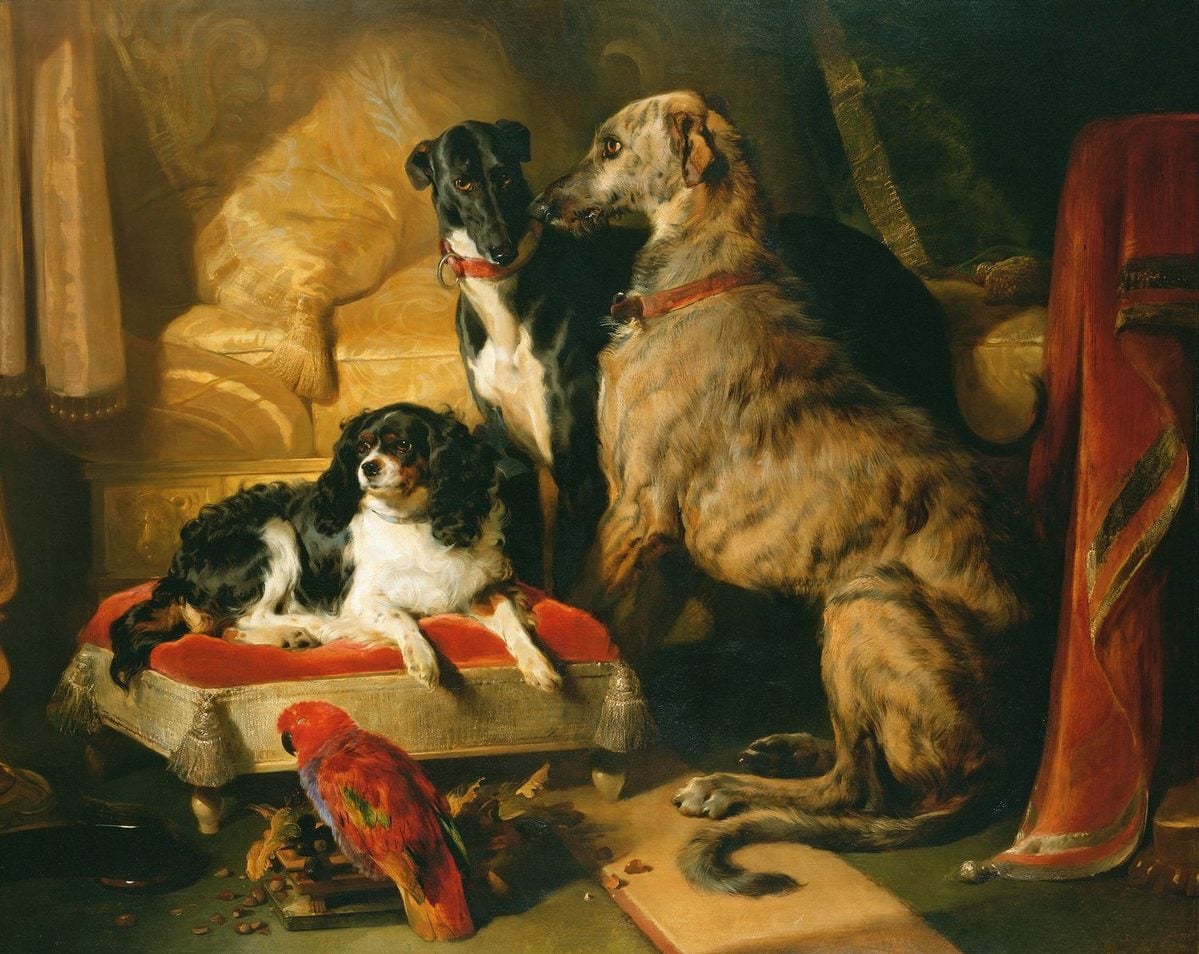
Did You Know? Dash was only the beginning. Queen Victoria kept dogs throughout her life, and several were buried with memorials after they died.
5. Caesar: The Terrier Who Followed King Edward VII to His Funeral
King Edward VII’s terrier Caesar became one of the most recognizable royal dogs of the early 20th century.
Presented to Edward in 1903 (some accounts say 1902), Caesar quickly became the King’s favorite and accompanied him on travels, including visits to France and Germany.
His collar reportedly carried the wonderfully direct inscription: “I belong to the King.”
Edward was so fond of Caesar that the dog was even reproduced as a tiny Fabergé figure made from chalcedony, with ruby eyes and a gold-and-enamel collar.
But Caesar’s most famous appearance came after his master’s death in 1910.
As Edward VII’s funeral procession moved through London, Caesar walked behind the King’s coffin. Photographs preserved by the Royal Collection show the little dog among the enormous ceremonial procession.
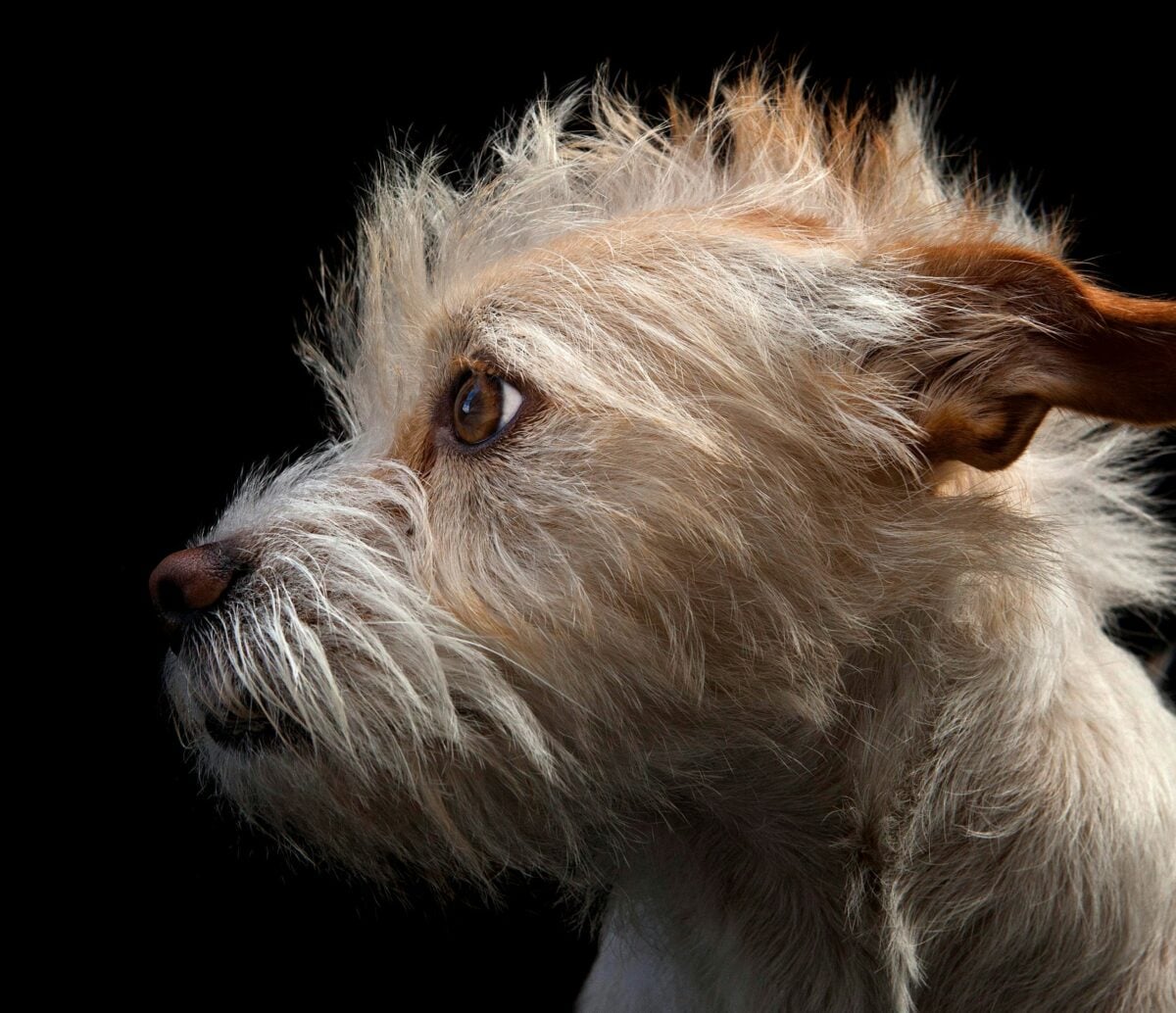
Caesar was later immortalized again at Windsor, where a stone likeness of him sits at the feet of Edward VII’s tomb in St George’s Chapel.
6. Le Général: Louis XV’s Painted Palace Cat
Dogs dominated many European courts, and Louis XV was no exception: he commissioned Jean-Baptiste Oudry to paint portraits of his favorite hounds, their names lettered onto the canvases.
But among the King’s animals was also a cat known as Le Général, and he, too, sat for Oudry.
That alone set him apart. Cats appear often enough in still lifes and genre scenes of the period, but a named portrait of an individual cat, painted by the King’s own animal painter, was a mark of real favor.
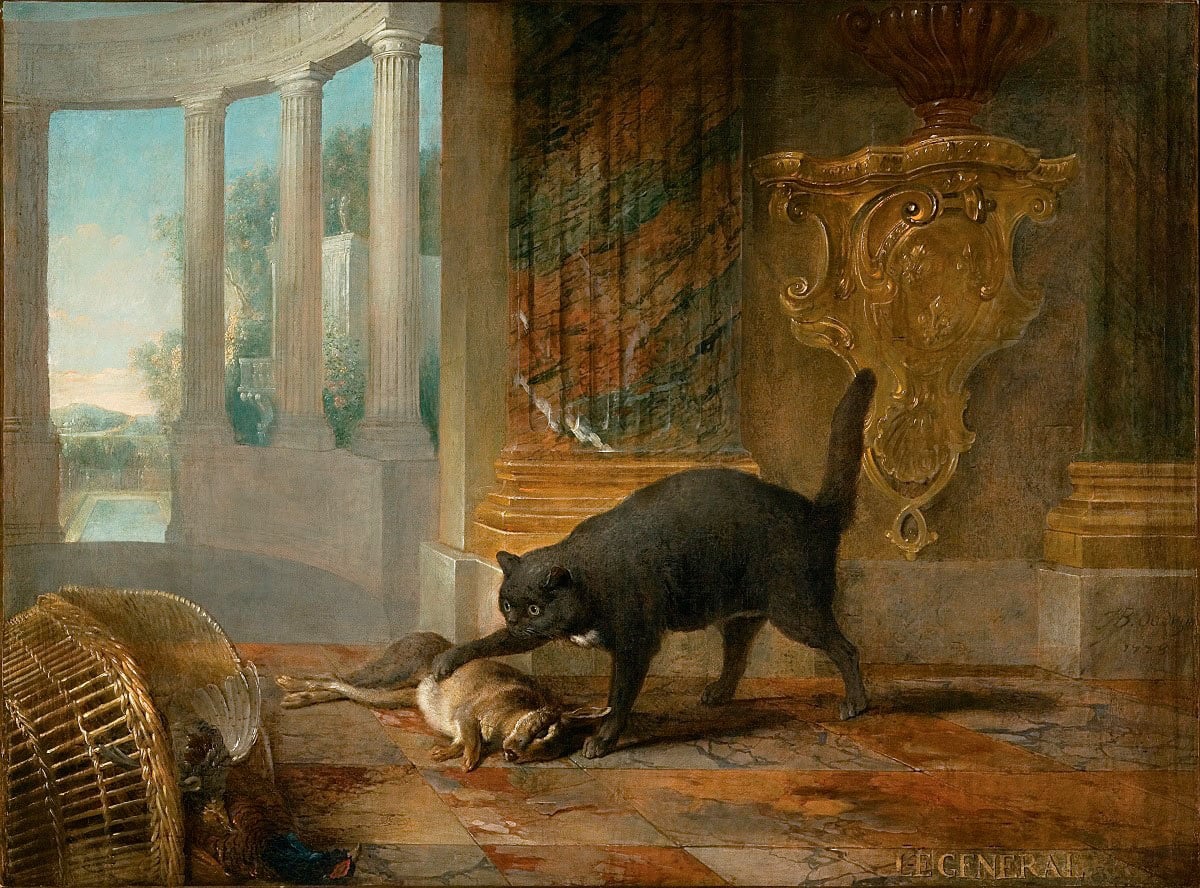
When the Palace of Versailles staged its 2021–22 exhibition The King’s Animals, Le Général took his place alongside Louis XV’s named dogs as one of the court’s four-legged notables.
The painting also provides something especially valuable for modern readers: we don’t have to imagine what this royal favorite looked like. Nearly three centuries later, Louis XV’s cat can still stare back at us from the canvas.
Did You Know? Oudry painted at least one other pair of cats around the same time. His Two Cats, now in the National Gallery of Canada, is thought to be contemporary with the portrait of Le Général.
7. Joy: Tsarevich Alexei’s Spaniel
The last imperial family of Russia kept numerous animals at Alexander Palace, but few have a story as poignant as Joy, the spaniel belonging to Tsarevich Alexei.
Photographs show Joy with the Romanov family, and imperial household records identify him as Alexei’s dog.
When Nicholas II and his family were forced from power during the Russian Revolution, three of their dogs went into captivity with them: Joy, Grand Duchess Anastasia’s spaniel Jimmy, and Grand Duchess Tatiana’s French bulldog Ortipo. Joy was still with Alexei during the family’s final months.
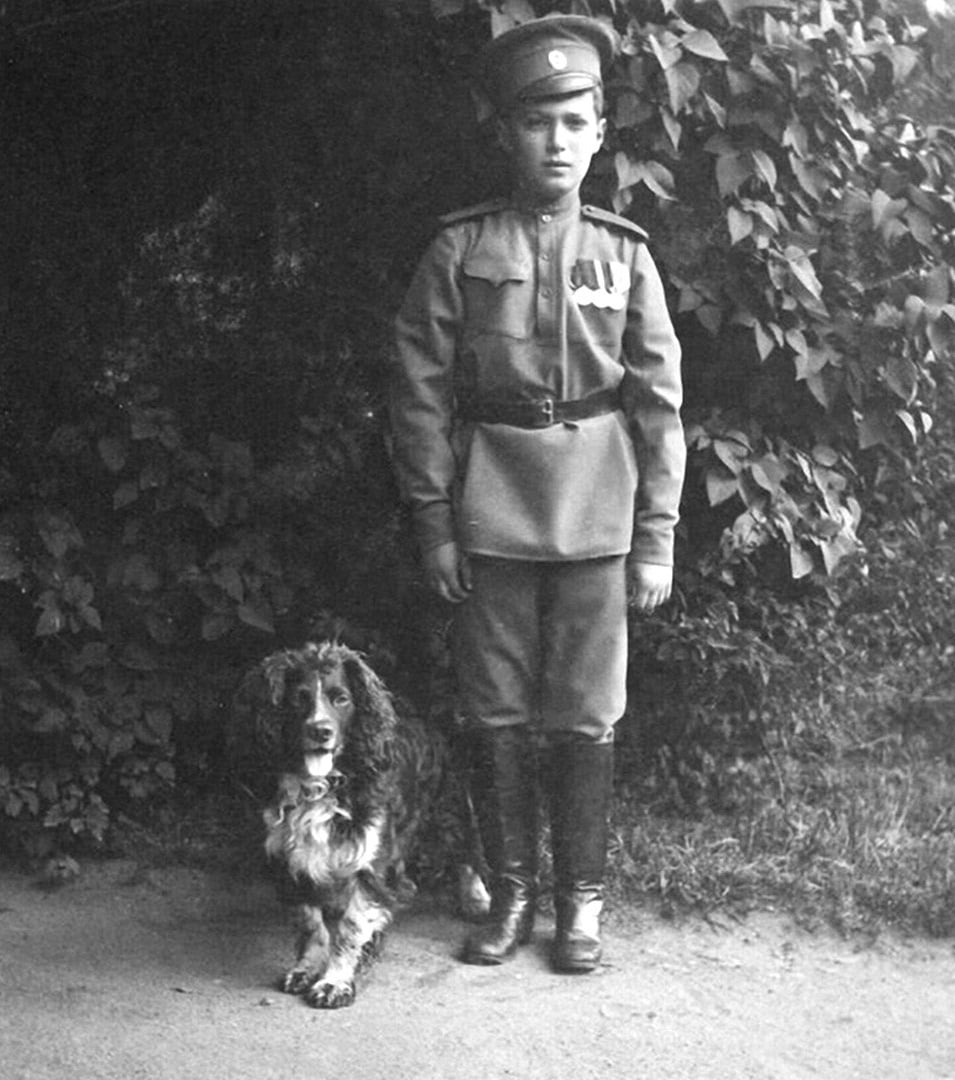
In July 1918, Nicholas, Alexandra, and their five children were murdered in Ekaterinburg. Jimmy died with them, and Ortipo was killed not long afterward. Joy was the exception. Quiet by nature and rarely known to bark, he survived.
The dog eventually came into the care of Colonel Pavel Rodzianko and was taken out of Russia. Joy spent his later years in England.
That strange afterlife made him a living link to a vanished imperial household, one of the few creatures from the Romanovs’ intimate family world to survive its destruction.
8. Ortipo: Grand Duchess Tatiana’s French Bulldog
Grand Duchess Tatiana, the second daughter of Nicholas II and Alexandra, had a beloved French bulldog named Ortipo.
What makes Ortipo particularly valuable historically is that she appears repeatedly in Tatiana’s own writings.
Tatiana received the dog during the First World War from Dmitri Malama, a wounded officer she had encountered while working in a hospital. In a 1914 letter to her mother, Tatiana anxiously explained that she had accepted the puppy before remembering that she ought to ask her parents’ permission.
The concern apparently passed. Ortipo soon became part of everyday Romanov family life.
Tatiana wrote about the dog sleeping, playing with a ball, traveling with her, and lounging lazily near the fireplace. Empress Alexandra also mentioned Ortipo in her correspondence.
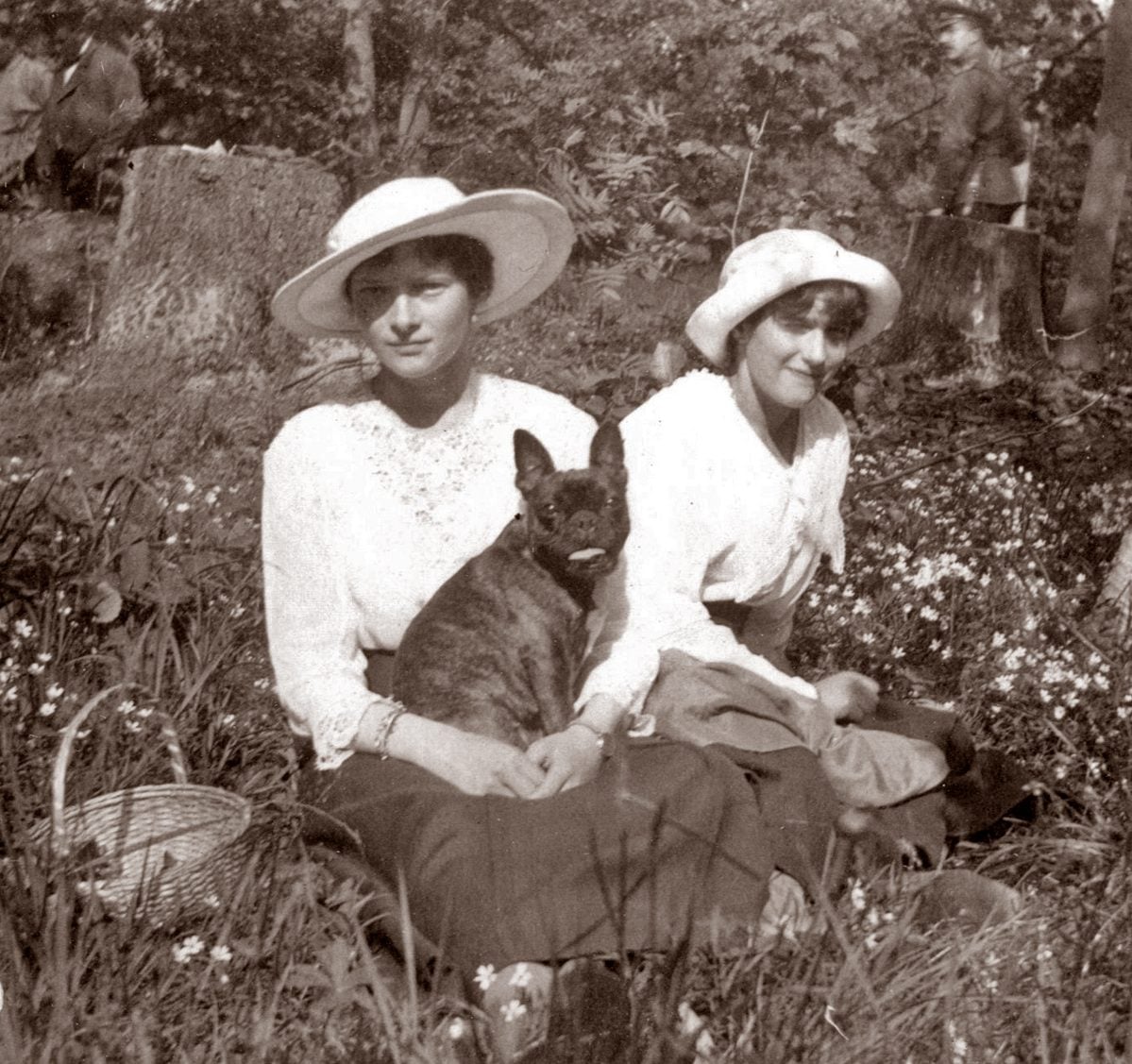
Ortipo was not simply an animal displayed by a royal family; she appears in their letters like a much-loved family pet today. She followed the family into exile and, like her mistress, did not survive Ekaterinburg.
Royal Pets Beyond Europe
The relationships between rulers and animals were never confined to the palaces of Britain, France or Russia. Royal courts elsewhere left behind their own stories of cherished animals, although the surviving evidence can sometimes be more fragmentary.
Two particularly memorable examples come from ancient Egypt and princely India. One survives through an extraordinary funerary object; the other through stories of perhaps the most elaborate dog wedding ever associated with a royal court.
9. Ta-Miu: The Ancient Egyptian Cat With a Royal Mystery
One of the most fascinating supposed royal pets comes from ancient Egypt.
Ta-Miu, whose name essentially means “the she-cat,” has traditionally been identified as the pet of Prince Thutmose, eldest son of Pharaoh Amenhotep III and Queen Tiye in the 18th Dynasty.
A richly decorated limestone coffin associated with Ta-Miu depicts the cat before offerings intended for the afterlife. If the traditional interpretation is correct, the monument is extraordinary evidence of just how important a companion animal could become within Egypt’s royal elite.
However, a historical complication is worth noting.
Although the object has long been presented as Ta-Miu’s ancient sarcophagus, Egyptologist Heimo Hohneck published a 2014 study arguing that its authenticity is highly doubtful. The stakes are higher than one cat: the coffin is the only known source that names Thutmose as the king’s eldest son and high priest of Ptah at Memphis. If it is a fake, part of what we think we know about the prince himself goes with it.
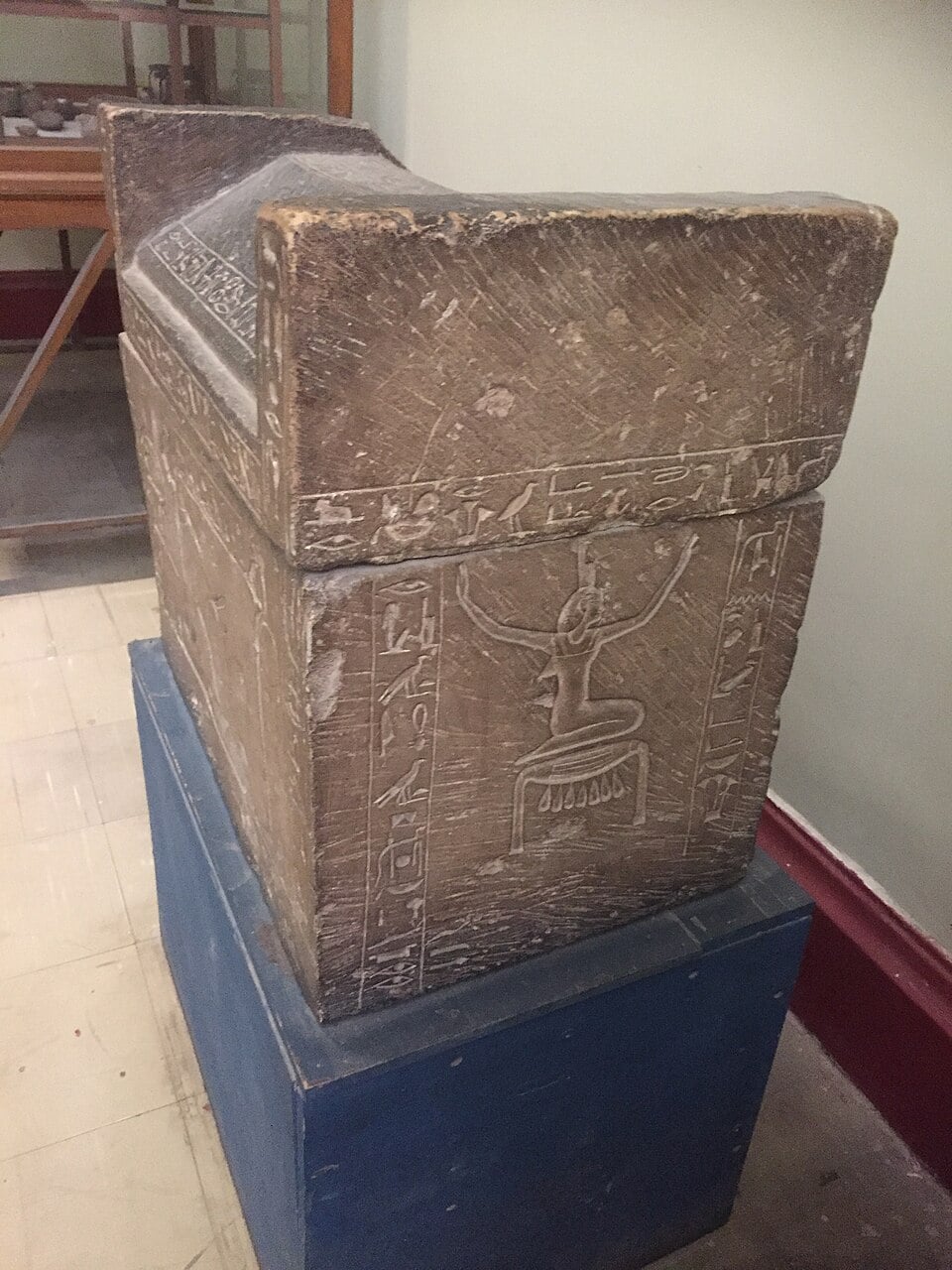
That makes Ta-Miu’s story more interesting, not less.
Rather than repeating the charming version as unquestioned fact, Ta-Miu offers a glimpse into both ancient Egyptian attitudes toward animals and the detective work historians use when assessing objects whose origins may not be as certain as once believed.
Did You Know? Ancient Egyptians sometimes mummified beloved animals, but animal burials served many purposes, from genuine companionship to religious offerings. That makes the context surrounding any individual animal especially important.
10. Roshanara and Bobby: The Nawab’s Legendary Dog Wedding
Few rulers became as closely associated with dogs as Muhammad Mahabat Khan III, the last ruling Nawab of Junagadh in western India.
The Nawab was famous for keeping large numbers of dogs and lavishing them with considerable attention. But one story has eclipsed all the others: the supposed royal-scale wedding of his female dog Roshanara to a dog named Bobby.
Later accounts place the celebration in 1922 and describe an enormous spectacle involving processions, elaborate decorations, a silver palanquin, and other dogs dressed for the occasion. Some versions even claim a state holiday was declared.
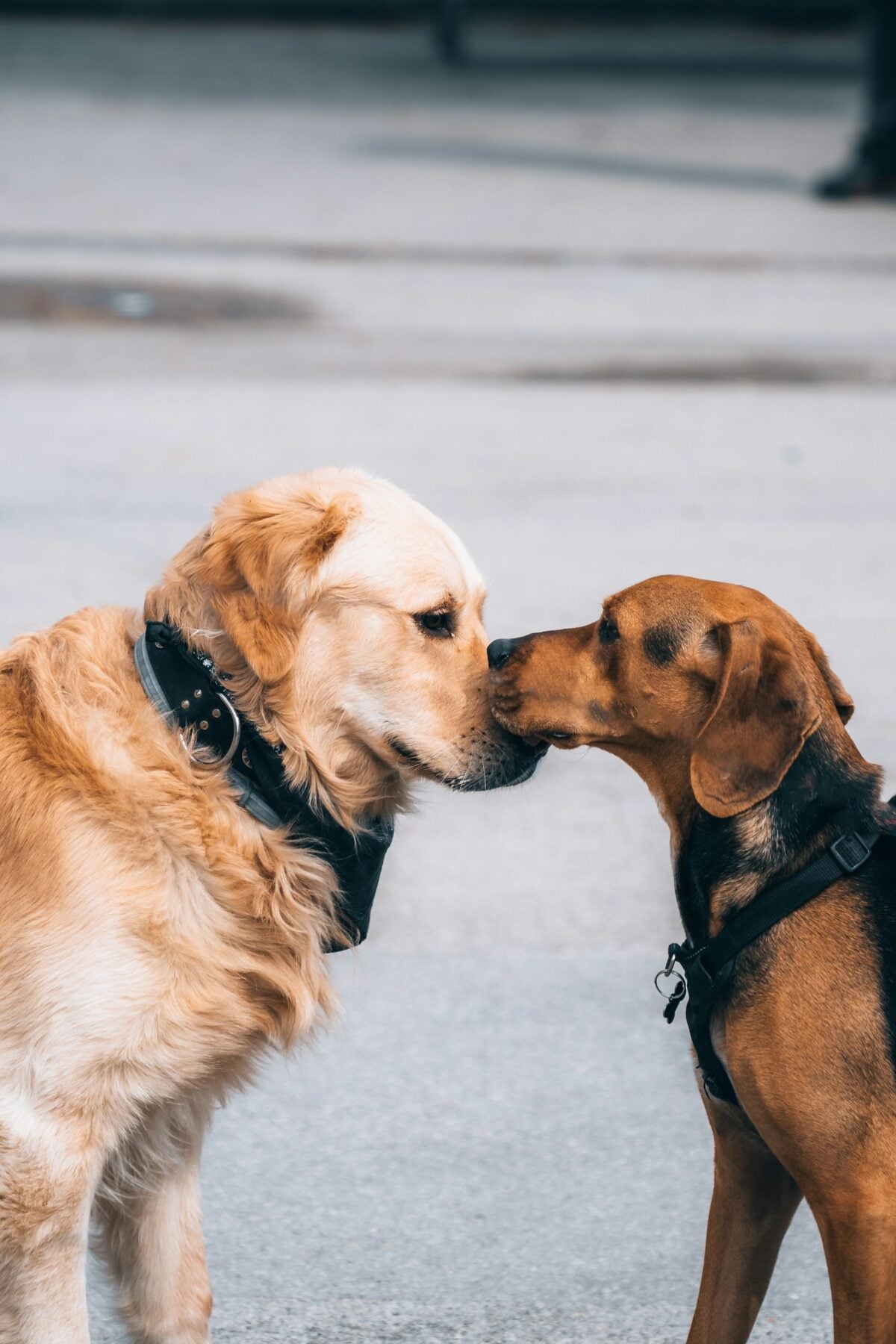
The basic story of the Nawab’s extraordinary devotion to his dogs is well established in popular accounts. Still, many of the wedding’s most extravagant details have been repeated and embellished over time. Treat exact costs, in particular, with caution.
Even stripped of those questionable figures, however, the story remains remarkable.
A ruler throwing a ceremonial wedding for two dogs tells us something about princely wealth, public spectacle and the extraordinary place favored animals could occupy at court.
Other Remarkable Royal Animals
Personal affection was only one reason animals appeared at royal courts. Exotic creatures could also demonstrate wealth, diplomatic reach, scientific curiosity and control over distant parts of the world.
That distinction is important. The final two animals were not household companions in the same sense as Susan, Dash or Ortipo. Their stories belong instead to the history of royal menageries, places where politics, spectacle and fascination with the natural world often overlapped.
11. Ganda: The Rhinoceros That Shocked Renaissance Europe
When a rhinoceros arrived in Lisbon in 1515, people had good reason to stare. Most Europeans had never seen one alive.
The animal, usually called Ganda or Genda, had come from India as a diplomatic gift from Sultan Muzaffar Shah II of Gujarat to Afonso de Albuquerque, the Portuguese governor in India. Albuquerque then sent the rhinoceros on to King Manuel I of Portugal, adding one more extraordinary creature to the king’s growing collection.
Europe had not seen a living rhinoceros since antiquity.
Crowds gathered to see the extraordinary animal, and stories about it spread rapidly. King Manuel later decided to send the rhinoceros to Pope Leo X, but tragedy struck during the journey to Italy. The ship was wrecked, and the animal drowned.
Ganda nevertheless became effectively immortal.
Albrecht Dürer, who never saw the rhinoceros himself, created a woodcut based on descriptions and another artist’s sketch. His armored-looking rhinoceros was anatomically inaccurate, but it became one of the most influential animal images ever printed and shaped European ideas about rhinoceroses for centuries.
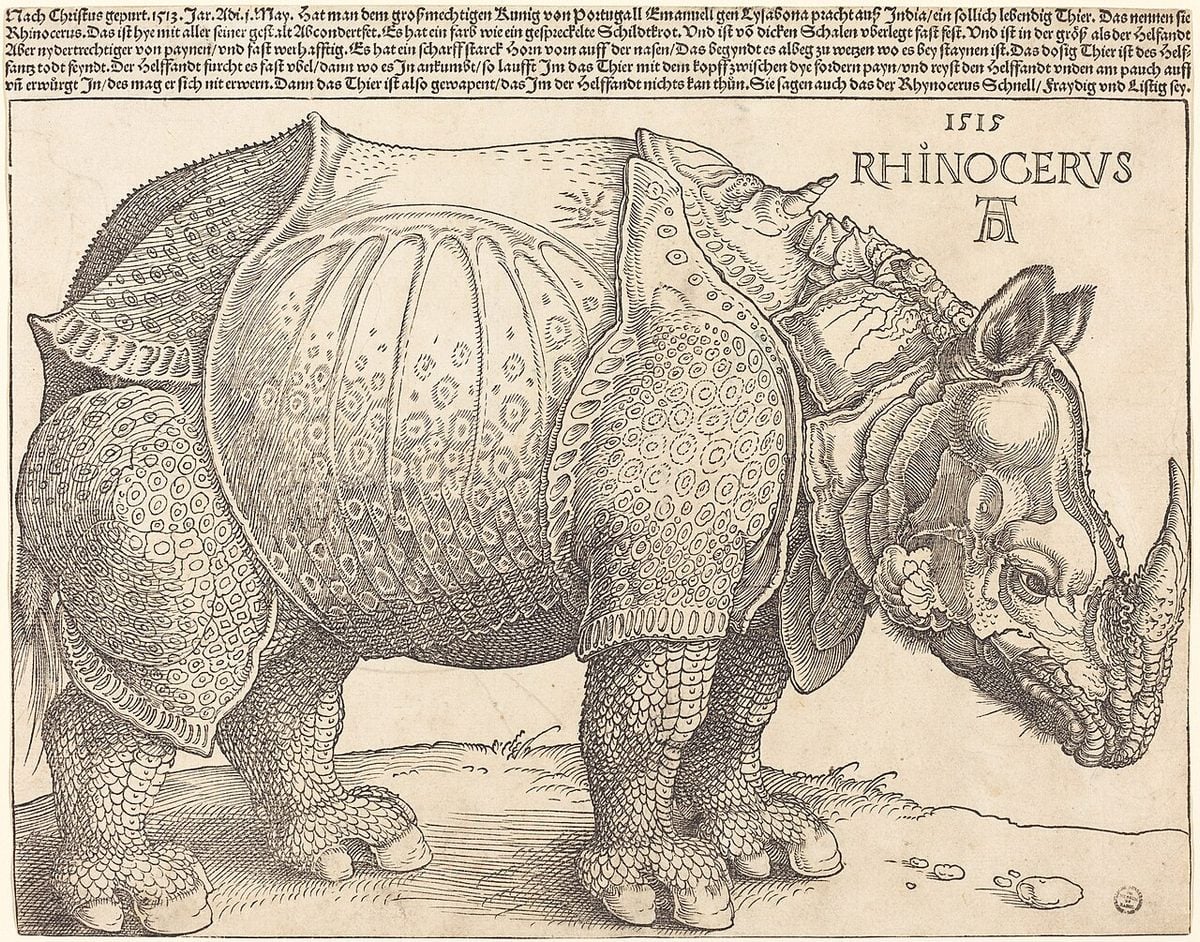
Ganda was not really Manuel’s cuddly household pet. But as a royal animal whose fame outlived the king who received him, he unquestionably belongs on this list.
Did You Know? Albrecht Dürer never actually saw the rhinoceros he made famous. He created his 1515 woodcut from secondhand information, yet Europeans continued reproducing his inaccurate version of the animal for generations.
12. Joséphine’s Extraordinary Menagerie at Malmaison
Empress Joséphine, Napoleon Bonaparte’s first wife, turned her estate at Malmaison outside Paris into a haven for rare plants and unusual animals.
Malmaison was famous for Empress Joséphine’s roses, but the gardens held more than rare flowers. The estate was also home to an unusual collection of animals, turning the grounds outside Paris into something part garden, part menagerie.
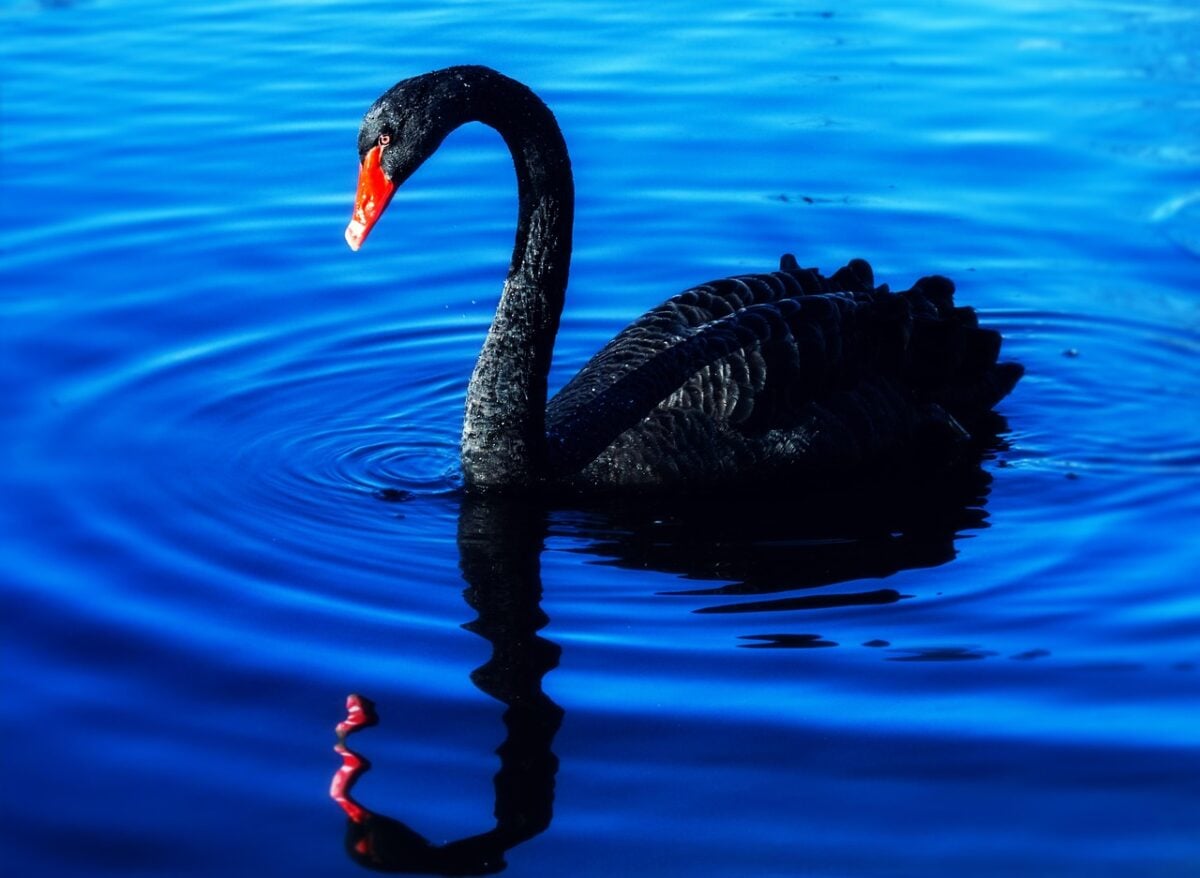
Joséphine assembled a menagerie that included exotic species arriving in France from around the world. Contemporary and institutional accounts identify animals including kangaroos, gazelles and black swans, while other records describe emus and additional exotic species.
Some of the animals were more than curiosities. Joséphine maintained links with naturalists, and the creatures at Malmaison could also become subjects of scientific interest.
Her Australian black swans were particularly successful. Joséphine is widely credited as the first person to breed black swans in captivity, and the birds became something of a personal emblem.
Unlike the rigid image we might associate with a royal zoo, some accounts describe animals roaming through Malmaison’s landscaped park.
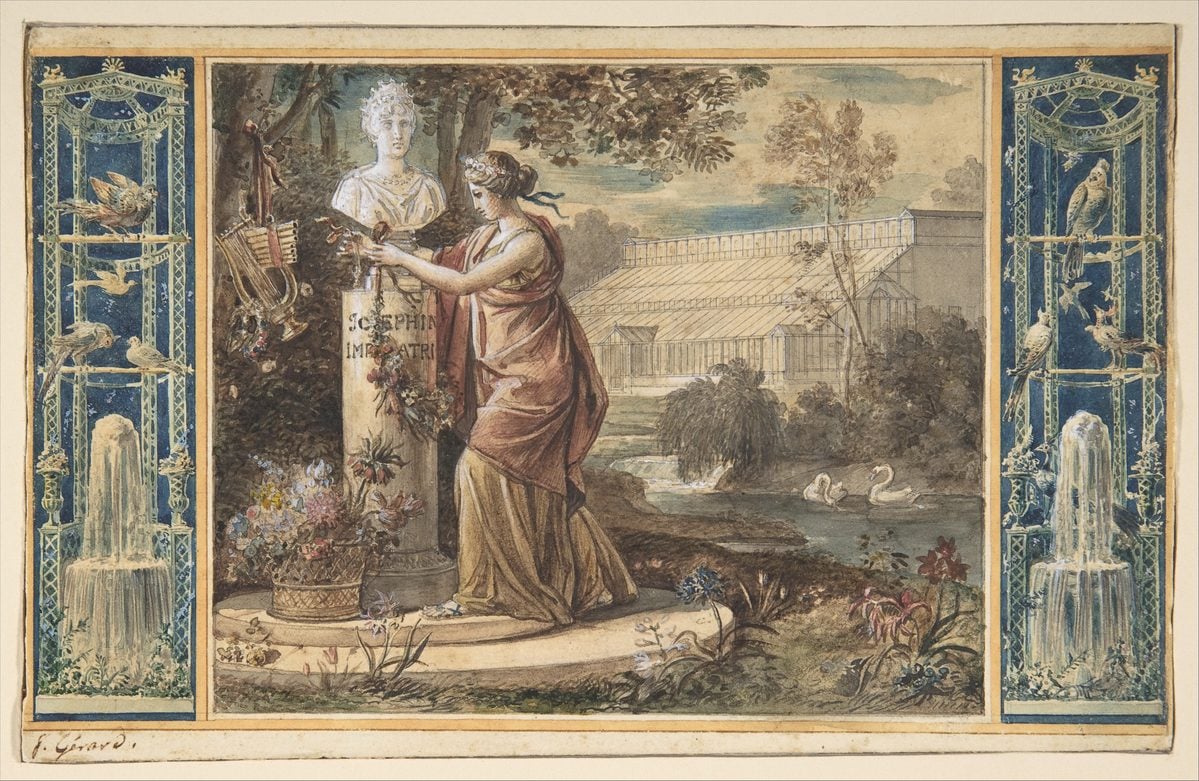
The result must have been extraordinary: an imperial residence outside Paris where visitors could encounter rare plants, kangaroos and black swans within the same gardens.
Joséphine’s animals were not all personal pets. Still, her menagerie captures another side of royal fascination with the natural world: one shaped by status, curiosity, science and the global networks of the Napoleonic age.
Malmaison also became closely tied to Joséphine’s life with Napoleon, whose rise from Corsican outsider to emperor was every bit as unlikely as some of the animals wandering her gardens.
Royal Animal Stories With a Little More Mystery
Not every colorful story about royal animals is as easy to document as Queen Elizabeth II’s corgis or Caesar the terrier. Some have been repeated for generations even though the surviving evidence tells a more complicated story.
That doesn’t necessarily make them worthless. In fact, these uncertain stories offer another glimpse into how royal legends develop — and why separating a documented animal from a later embellishment can sometimes be part of the fun.
Alexei and the Romanovs’ Elephant
Tsarevich Alexei really did grow up with an elephant remarkably close at hand, although calling it “Alexei’s elephant” oversimplifies the story.
The Russian imperial family maintained an Elephant House in Alexander Park at Tsarskoye Selo, where elephants had been kept intermittently since the 19th century. During the reign of Nicholas II, an African elephant lived there and became a favorite attraction for the imperial family.
Nicholas II frequently visited the animal with his children, especially Alexei. Photographs show the Tsar and his family feeding the elephant, and Nicholas recorded their visits in his diary. On June 9, 1914, he wrote that he and Alexei had taken the elephant to its pond and enjoyed watching it bathe.
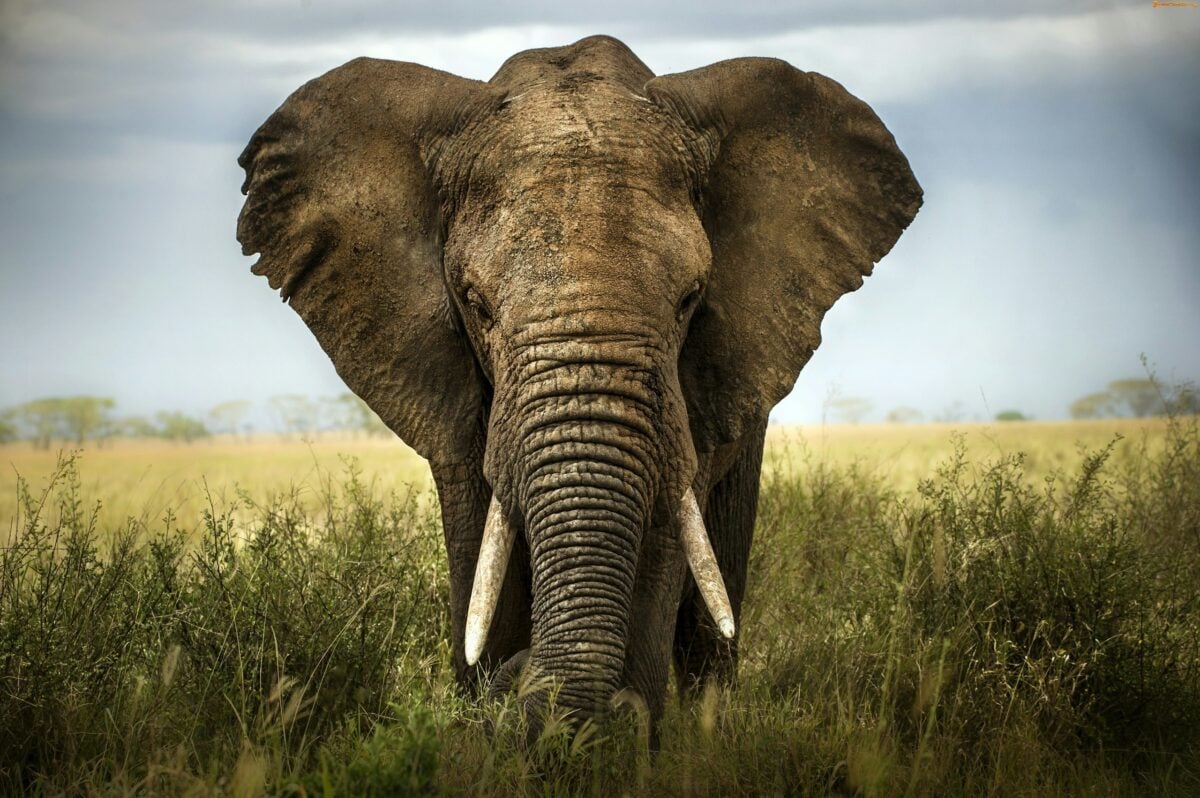
So while the elephant was not simply Alexei’s personal pet in the same sense as his spaniel Joy, it was very much part of the young Tsarevich’s world, and one of the most unusual animals associated with the last Romanovs.
Did You Know? The Romanov elephant had its own pavilion in Alexander Park and was regularly taken to a pond to bathe while members of the imperial family watched.
Did Anastasia Really Keep Japanese Koi?
One of the more charming stories associated with Grand Duchess Anastasia claims that she kept or particularly admired Japanese koi in the ponds of the Romanov residences.
There is just one problem: strong historical documentation for the story is difficult to find.
The Romanov children grew up around dogs, cats, horses, and even the imperial elephant. Anastasia had a much more certain companion of her own: a small dog named Jimmy.
But compared with those well-documented companions, the supposed koi are conspicuously absent from stronger accounts of the family’s pets.
For that reason, it is better to treat Anastasia’s koi as an unverified royal-animal story rather than established fact. The tale may have grown from the ornamental ponds and elaborate gardens surrounding imperial residences, but until better evidence appears, Anastasia’s dog Jimmy is on much firmer historical ground.
Maximilian’s Parrots — or a Habsburg Menagerie Legend?
Emperor Maximilian I is sometimes credited with keeping an impressive collection of parrots, supposedly reflecting the growing European fascination with exotic animals around 1500.
It is an appealing image, but evidence linking a personal parrot collection specifically to Maximilian I is much less clear than popular retellings suggest.
What is well documented is the broader Habsburg fascination with exotic animals. Later in the 16th century, Emperor Maximilian II developed gardens and animal enclosures at the estate that would eventually become Schönbrunn, where exotic birds such as peacocks and turkeys were kept alongside native game.
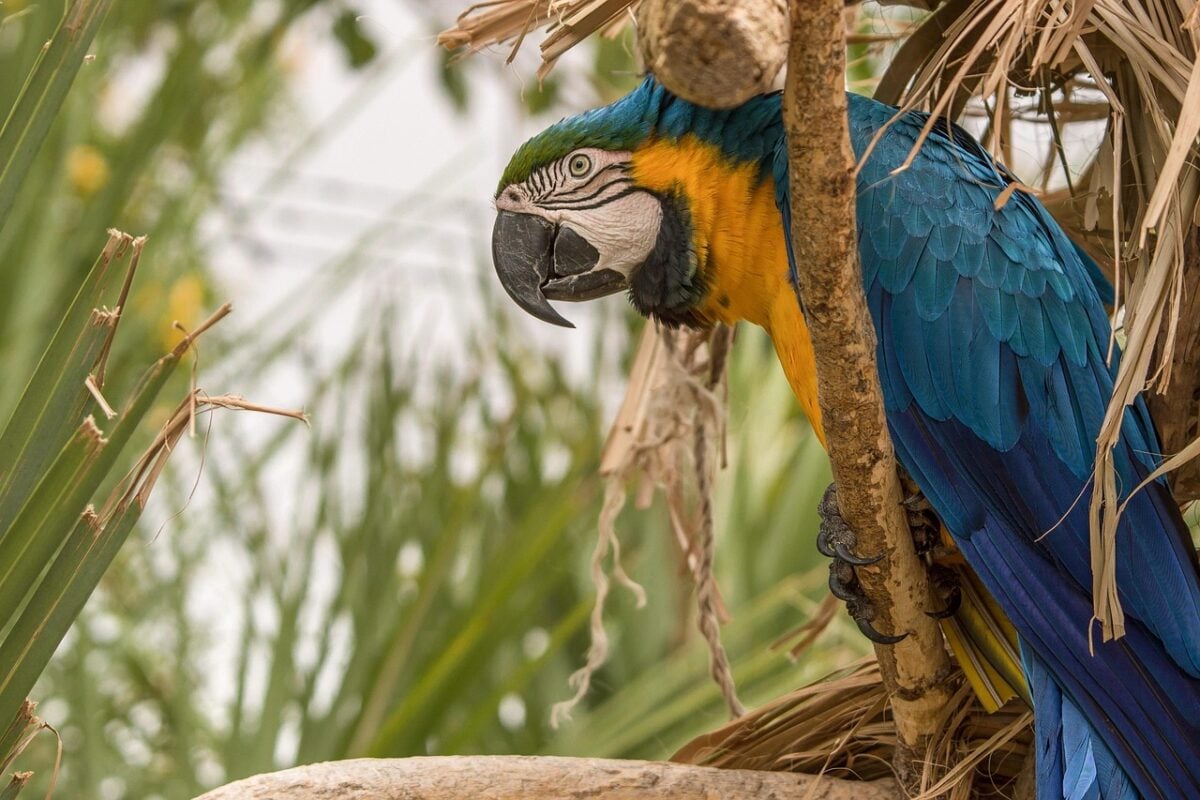
It is therefore possible that stories about Habsburg exotic birds became attached to the wrong Maximilian over time.
Until stronger evidence emerges, “Maximilian’s parrots” is best understood as part of the broader history of Habsburg royal menageries, rather than as a securely documented collection of one emperor’s personal pets.
Maria Theresa and the Imperial Peacocks
A similar problem surrounds the story of Maria Theresa’s peacock.
Peacocks certainly belonged in European royal gardens. They were colorful, exotic-looking symbols of magnificence and had been kept on Habsburg estates for generations.
By Maria Theresa’s time, Schönbrunn had become the kind of place that gave the court something new to gossip about. Rare plants were arriving for the gardens, unfamiliar animals were turning up in the menagerie, and every new curiosity seemed to have added to the sense that there was always something unusual to see.
Her husband, Emperor Franz I Stephan, founded the Schönbrunn Menagerie in 1752, with a botanical garden following soon after. Maria Theresa shared in that growing interest, and Schönbrunn became a place where royal display and a genuine fascination with the natural world existed side by side.
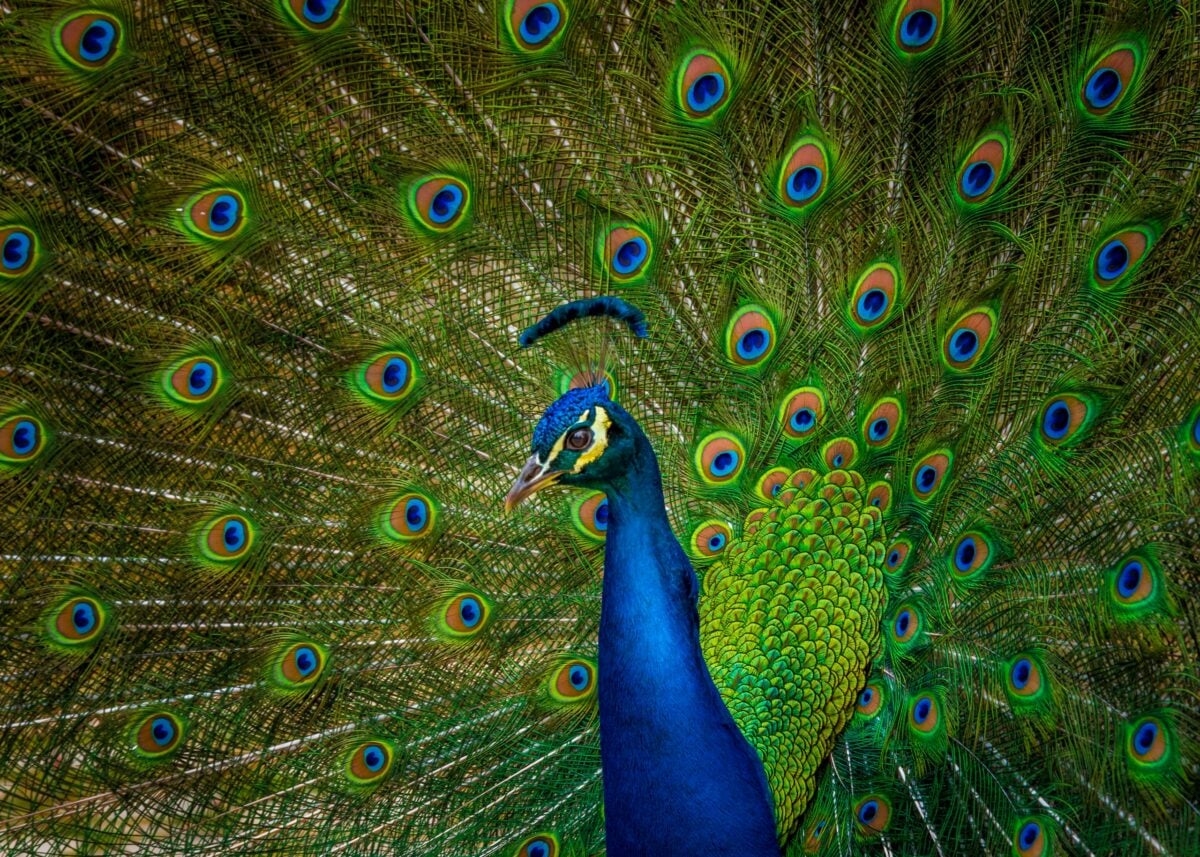
What the surviving institutional history does not clearly establish, however, is that Maria Theresa had one particular peacock that she regarded as a personal pet.
So the peacock still belongs in the story… just not quite as the original version suggested. Rather than “Maria Theresa’s favorite peacock,” it is more accurate to think of peacocks and other exotic birds as part of the spectacular animal world surrounding the Habsburg court.
The distinction may sound small, but it matters. Royal history is full of stories that become more dramatic each time they are retold. Sometimes the real history is every bit as interesting — it simply requires separating the cherished pet from the palace animal, and the documented fact from the irresistible legend.
Why Royal Pets Matter
For all the crowns, palaces, and ceremony, royals could be wonderfully ridiculous about their animals.
Victoria fussed over Dash. Tatiana Romanov adored Ortipo. Charles II reportedly played with his spaniels during government business, and Queen Elizabeth II even took Susan along on her honeymoon.
Take away the titles, and it all feels very familiar: people spoiling their pets, talking about them constantly, worrying when they were sick, and making sure everyone knew just how special they were. In other words, not so different from the rest of us.
Frequently Asked Questions About Royal Pets
Royal pets leave behind plenty of memorable stories, and just as many questions. From the true origins of Queen Elizabeth II’s corgis to the strange animals kept in royal menageries, here are answers to a few of the questions readers often have about pets and animals at court.
Still curious about a royal pet or unusual palace animal we didn’t cover? Leave your question in the comments below. We’re always looking for fascinating historical stories to investigate!.
What is the most famous royal pet?
Queen Elizabeth II’s corgis are among the most famous royal pets in modern history. One dog in particular, Susan, was a gift for her 18th birthday in 1944 and became the ancestor of the corgis she later bred.
Did Queen Elizabeth II’s corgis descend from Susan?
Yes. Susan began the breeding line that became closely associated with Queen Elizabeth II. The Royal Collection notes that the Queen’s subsequent royal corgis descended from Susan.
Why are King Charles Spaniels named after King Charles II?
Small toy spaniels became closely associated with King Charles II, who famously kept them around his court. The modern Cavalier King Charles Spaniel was later developed in an effort to recreate the longer-muzzled spaniels seen in paintings from Charles II’s era.
Did kings and queens really keep exotic animals?
Absolutely. If you had a palace, a lot of money, and friends in faraway places, sooner or later something with hooves, feathers, or very large teeth was probably going to show up.
Royal menageries could get out of hand fast. Black swans, gazelles, kangaroos — and every so often, something as wildly impractical as a rhinoceros. To be fair, if most of us had a palace, unlimited money, and someone offering us an exotic animal, we’d probably make some questionable pet decisions too.
At Malmaison, Empress Joséphine kept such a strange assortment of animals that a kangaroo hopping across the grounds was hardly the most surprising thing a visitor could have seen.
What happened to King Manuel I’s rhinoceros?
Its story did not end well. After causing a sensation in Lisbon in 1515, the rhinoceros was sent toward Rome as a gift for Pope Leo X. The ship was wrecked on the way, and the animal drowned.
The rhinoceros still managed to become famous across Europe, thanks largely to Albrecht Dürer’s 1515 woodcut, even though Dürer never saw the animal himself.
Keep Exploring the Stranger Side of History
Royal pets are only one corner of the past where the real story turns out to be stranger, funnier, or more complicated than expected.
If that’s your kind of history, you might also enjoy digging into the historical “facts” many people still believe even though they never actually happened, exploring ancient mysteries historians still haven’t fully solved, or following Napoleon Bonaparte’s unlikely rise from Corsican outsider to emperor.
And after meeting Susan, Dash, Joy, Ta-Miu, Ganda, and the rest, one thing feels pretty clear: royals of the past could be every bit as obsessed with their animals as we are today.
They just didn’t have 3,000 photos of them taking up space on their phones.
Share Your Favorite Animal Story
Know a royal pet or remarkable animal from history that deserves a place on this list? Tell us about it in the comments below. We’d love to hear the strange, touching, or surprising stories you’ve come across… especially the ones that deserve to be better known.


