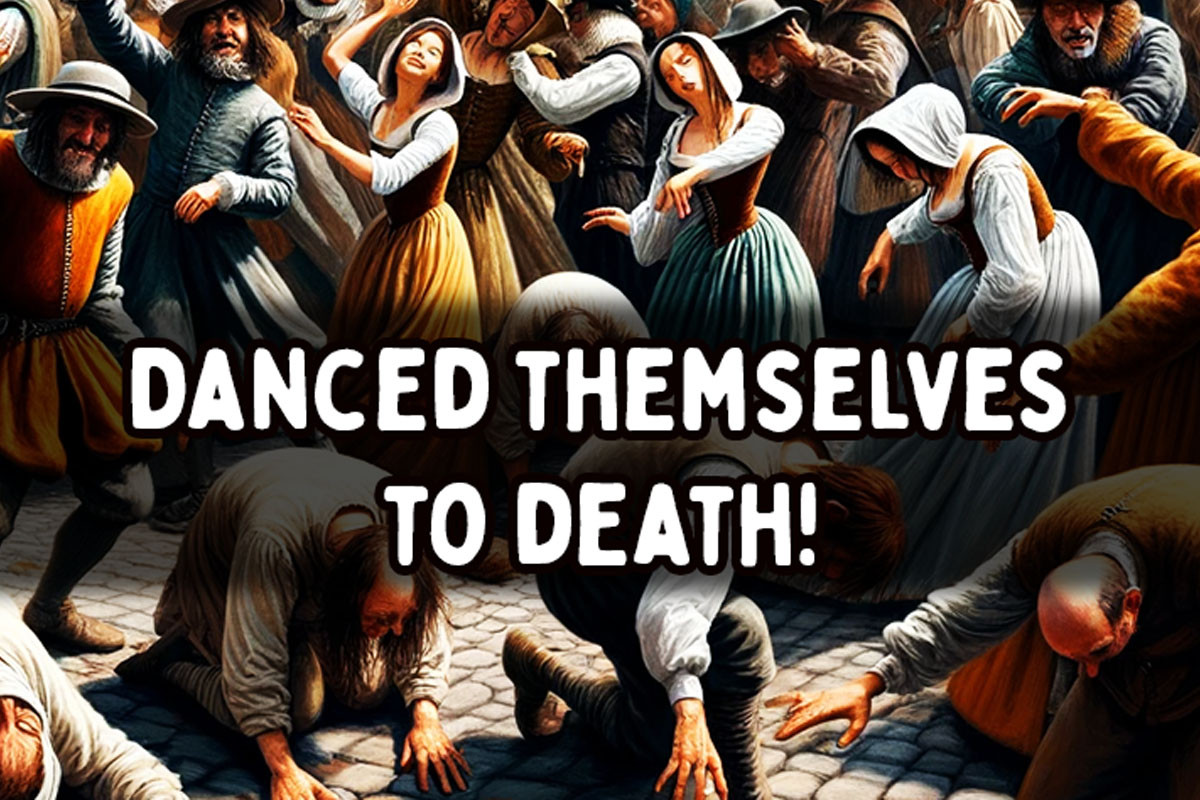
For much of history, punishment was not meant only for the person receiving it.
It was also meant for the crowd.
Table of Contents
Authorities staged punishments in marketplaces, arenas, city gates, and other public spaces because pain alone was not the entire point. The condemned person could be shamed, stripped of status, turned into an example, and used to deliver a warning: this is what happens when someone challenges the law, the ruler, the army, the church, or the accepted social order.
Some of history’s most feared punishments were carefully written into law. Others were used only rarely. A few of the most famous may never have existed in the form later storytellers described.
That difference matters.
The punishments below reveal more than cruelty. They reveal what past societies feared, whom they valued, and how rulers tried to make their power unforgettable.
Why Was Public Punishment So Common?
A private sentence affected one prisoner. A public punishment could influence thousands.
Before newspapers, television, or mass surveillance, authorities had fewer ways to make examples visible. A punishment staged before a crowd acted as law enforcement, political theater, and propaganda at the same time.
The location often carried meaning. A traitor might be punished near the center of royal power. The remains of an executed rebel could be displayed in several places. A military punishment could force soldiers to participate, making the warning impossible to ignore.
Yet public punishments did not always produce obedient silence. Crowds could sympathize with the condemned, mock officials, riot, or transform an execution into a political spectacle. The authorities controlled the sentence—but not always its meaning.
12 Punishments So Cruel They Became Warnings to Entire Societies
Some of these punishments were written into law. Others were reserved for rebels, traitors, enslaved people, or anyone considered a threat to the ruling order. A few became more terrifying in legend than they ever were in reality.
What connects them is the message behind them: punishment was meant to be seen, remembered, and feared.
Here are 12 of the worst punishments in human history, and the strange logic that allowed them to exist.
1. Hammurabi’s Unequal “Eye for an Eye”
This sounds like simple justice, but it depended heavily on who you were.
The Code of Hammurabi, compiled in ancient Babylon during the 18th century BCE, is famous for penalties based on retaliation. Injure another person, and the law might demand a comparable injury in return. It was part of a much wider legal and social system that developed in ancient Mesopotamia, one of the world’s earliest centers of cities, writing, and codified law.
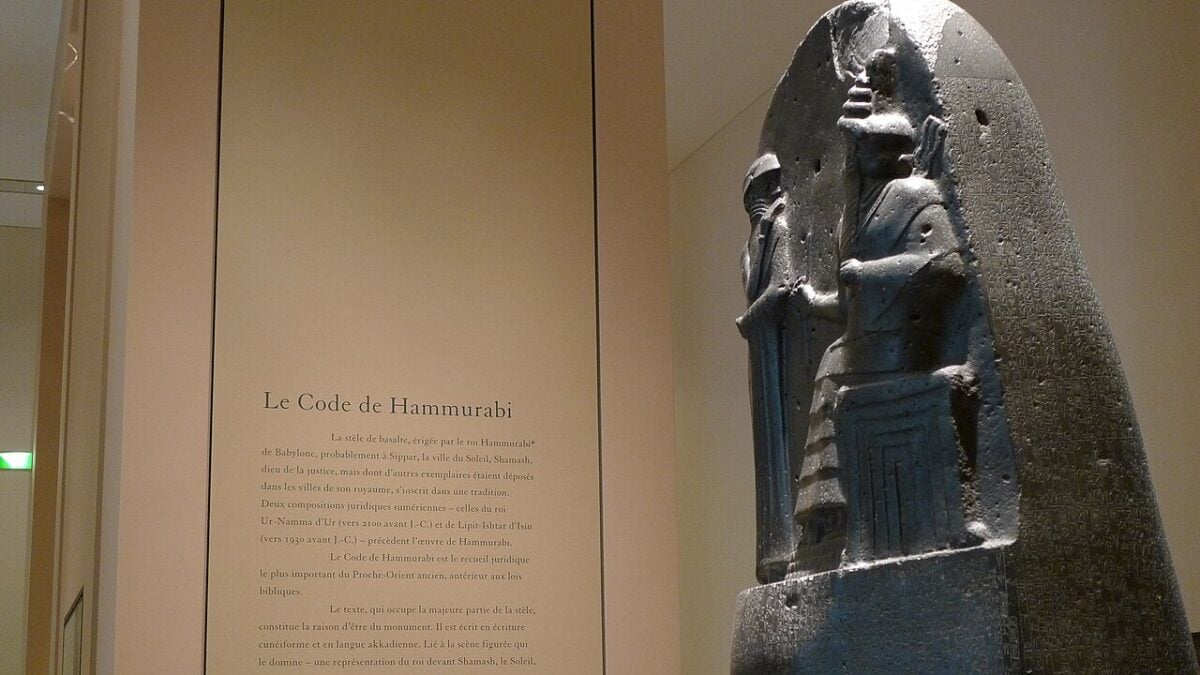
But the code did not treat everyone equally.
Punishments and compensation could change according to the social rank of the victim and offender. An injury to a person of higher status could bring a more severe consequence than the same injury inflicted on someone lower in the hierarchy.
Its chilling logic was not random cruelty. It was order through strict categories. The law defined not only which actions were forbidden but also how much each person’s body, property, and reputation were considered worth.
- Where and when: Babylon, Mesopotamia, around the 18th century BCE.
- Why it was feared: The law could turn a moment of wrongdoing into an irreversible punishment—and social status shaped the outcome.
- Reality check: “An eye for an eye” was only one part of a much larger and more complicated legal code.
2. Roman Decimation: When the Innocent Drew the Wrong Lot
A Roman soldier could survive a defeat and still be condemned because someone else drew his unit into disgrace.
Decimation was an extreme military punishment imposed on a group accused of cowardice, mutiny, desertion, or serious disobedience.
Such punishments reflected a military culture in which discipline helped Rome expand and survive—even when the empire itself was ruled by some of the worst Roman emperors in history.
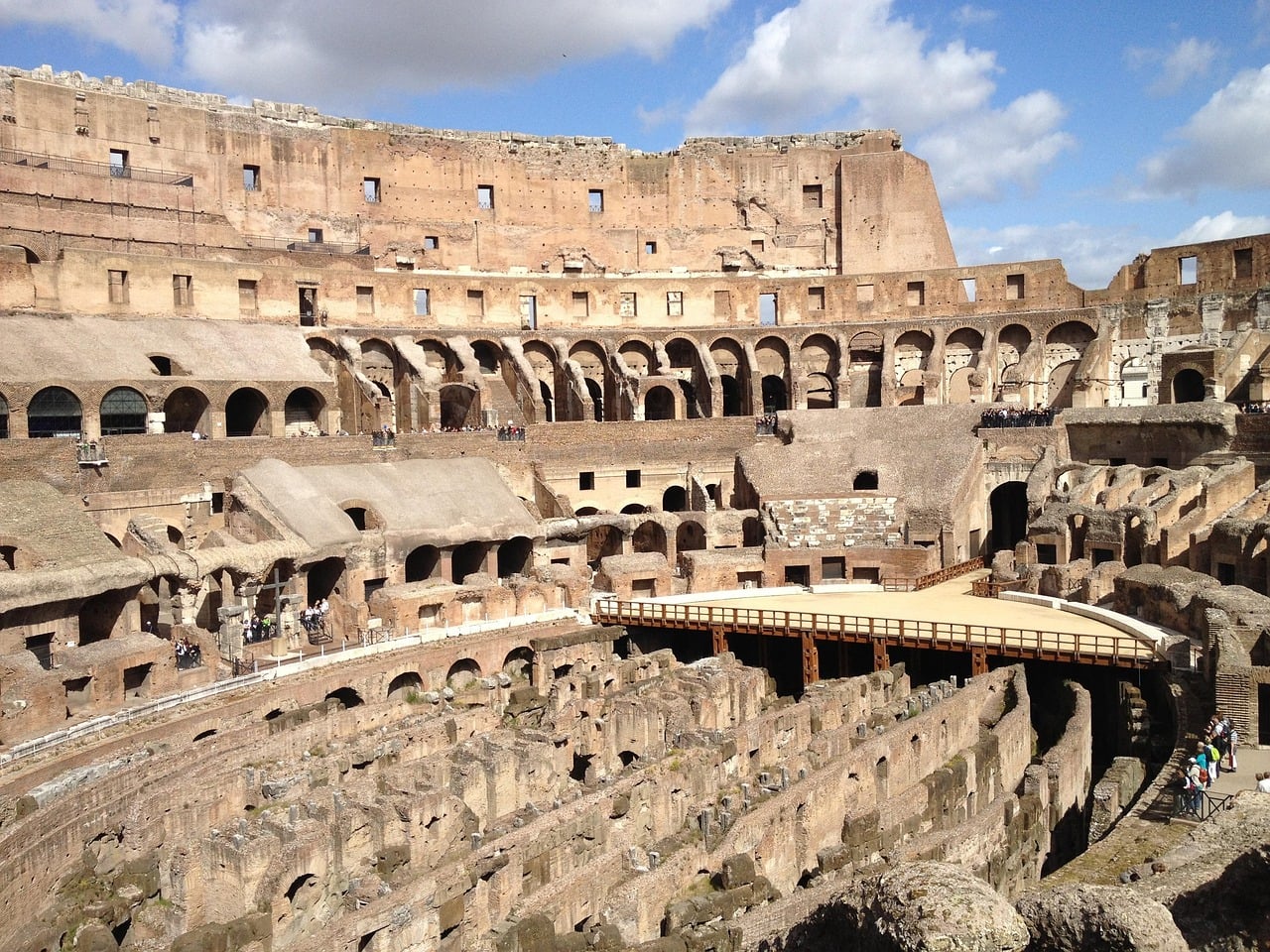
The unit was divided, lots were drawn, and roughly one soldier in ten was selected. The surviving soldiers could then be ordered to kill their own comrades. Those left alive might receive inferior rations or be forced to camp outside normal defenses.
The logic was terrifyingly collective. Commanders did not need to identify every guilty individual. By making the entire unit responsible, they turned fear of one another into a tool of discipline.
- Where and when: The Roman military, with documented examples especially during the late Republic.
- Why it was feared: Personal innocence offered no protection when punishment was assigned by lot.
- Reality check: Decimation was real, but it was an exceptional measure rather than an everyday Roman practice.
3. Crucifixion: A Death Designed to Humiliate
For Rome, the public shame could be as important as the execution itself.
Crucifixion was used particularly against enslaved people, rebels, pirates, and people viewed as enemies of Roman order.
The condemned were exposed in a visible location, sometimes along busy roads or outside city walls.
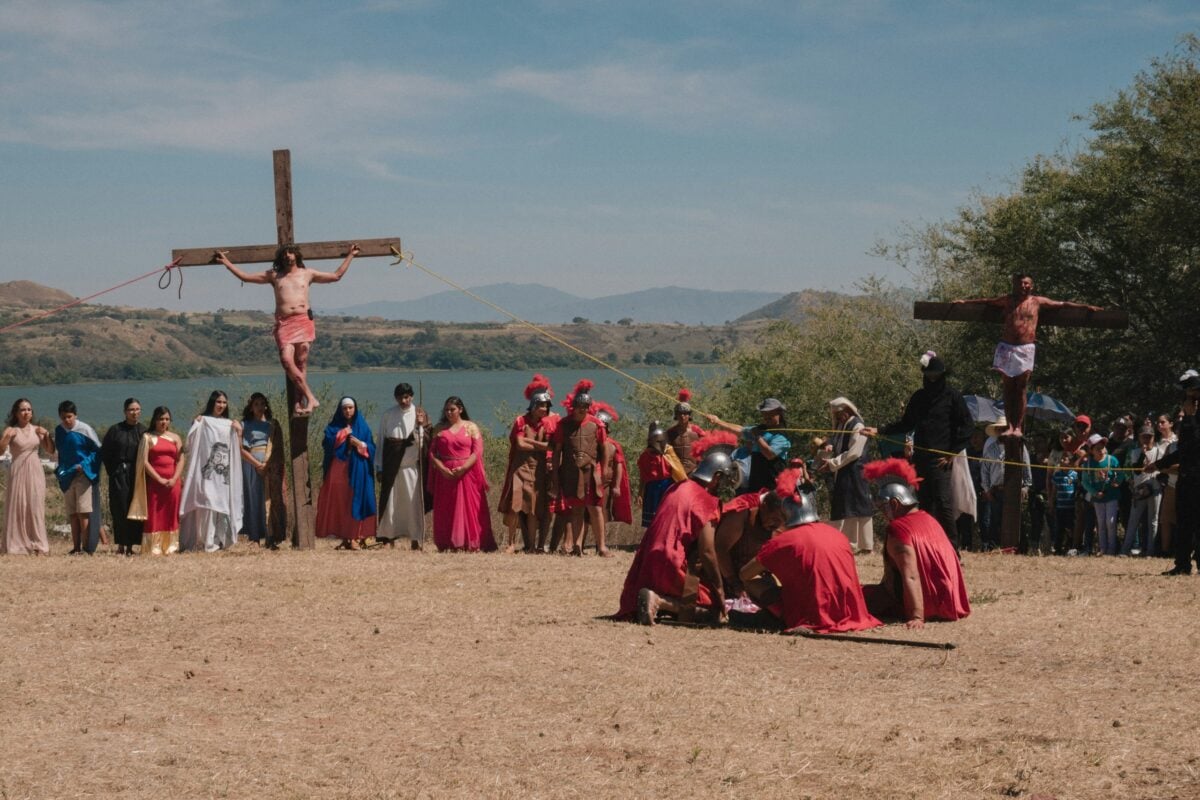
The punishment communicated status as clearly as guilt. Roman citizens were generally protected from this form of execution, while people with fewer legal privileges could be subjected to it.
That distinction sent a message: Rome did not merely control whether a person lived or died. It could decide what kind of death their rank deserved.
- Where and when: Used in several ancient societies, but especially associated with Roman rule from the late Republic through the imperial period.
- Why it was feared: It combined death with exposure, powerlessness, and public degradation.
- Reality check: Methods varied, and many familiar artistic details come from later traditions rather than complete Roman records.
4. Damnatio ad Bestias: Condemned Before an Audience
Some Roman executions were scheduled as entertainment.
Under damnatio ad bestias, condemned people were exposed to wild animals in an arena, turning punishment into the same kind of mass spectacle associated with Rome’s gladiatorial contests and even its reported naval battles inside the Colosseum. The punishment could appear during a larger day of public games, placing death between other performances.
This was not simply an unusual execution method. It turned imperial justice into spectacle.

The arena showed the state’s ability to obtain exotic animals, organize enormous crowds, and determine who belonged inside the protected social order—and who could be placed outside it.
- Where and when: The Roman world, particularly during the imperial period.
- Why it was feared: The condemned person lost not only life and freedom but also control over how the crowd would remember the final moments.
- Reality check: Arena punishments took different forms, and not every person sent into an arena faced the same sentence.
5. Lingchi: The Punishment That Outlived an Empire
It is often called “death by a thousand cuts,” but that famous name can be misleading.
Lingchi was an imperial Chinese punishment reserved for crimes considered exceptionally serious, including certain forms of treason and attacks on the family order.
Its symbolic meaning extended beyond physical suffering. Traditional beliefs placed importance on the integrity of the body so that dismemberment could represent a destruction of identity, honor, and proper social belonging.
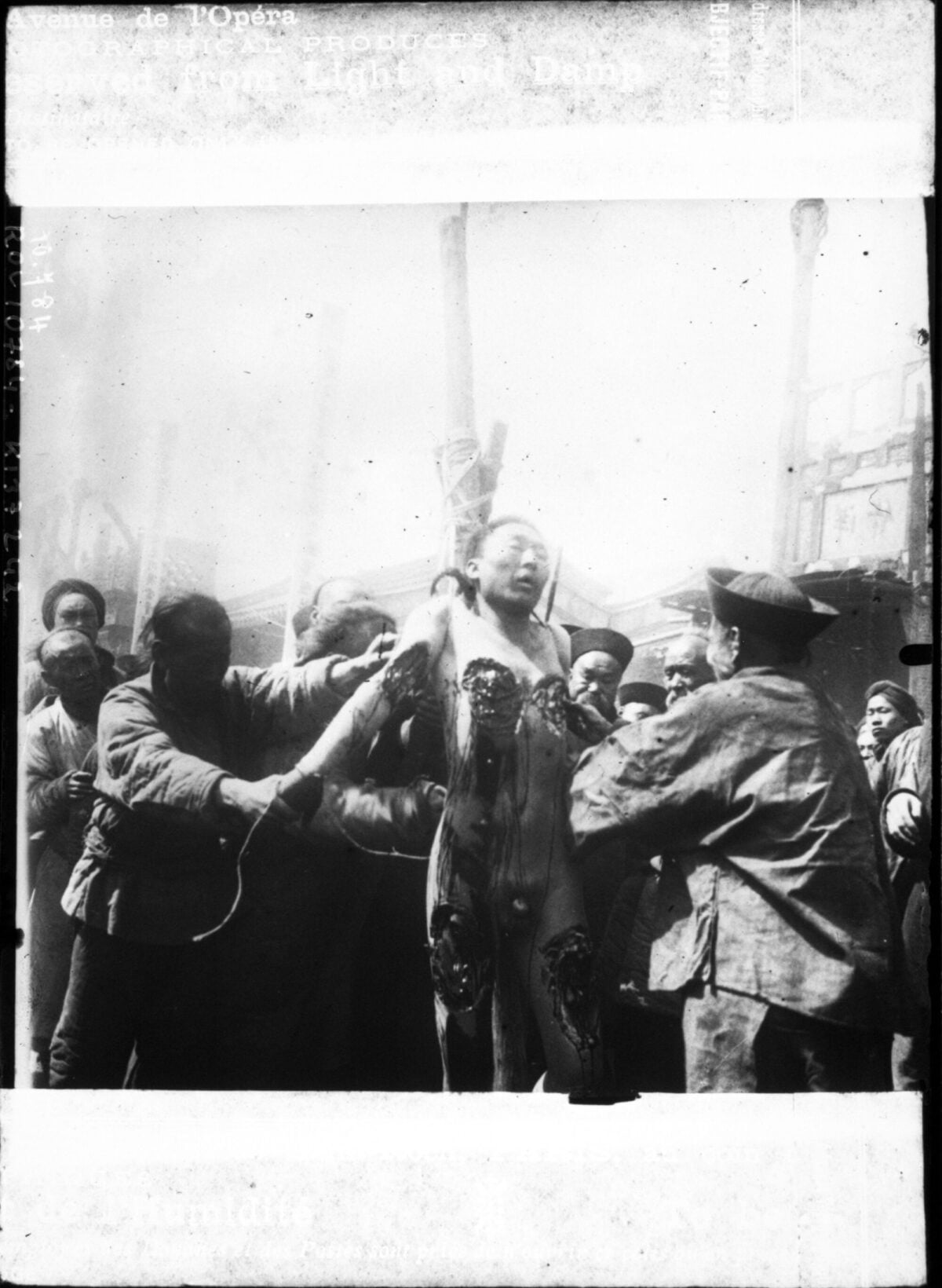
Western accounts later sensationalized the practice, sometimes treating it as proof of an imagined uniquely cruel China. That framing can obscure the fact that European states also maintained spectacular and mutilating punishments well into the modern era.
- Where and when: Imperial China; legally abolished in 1905.
- Why it was feared: It threatened the condemned person’s body, reputation, and place within the moral order.
- Reality check: Lingchi was documented, but “a thousand” should not always be read as a literal count. The phrase became part of its legend.
6. The Oubliette: Prison Cell or Later Legend?
Its name supposedly meant a place where prisoners were forgotten.
An oubliette is generally described as a narrow dungeon entered through an opening above. The image is almost perfectly designed for a horror story: a prisoner lowered into darkness, unable to reach the exit, gradually disappearing from memory.
Top-access cells did exist. What is less certain is how often they were used in the dramatic manner repeated by castle tours and popular histories.
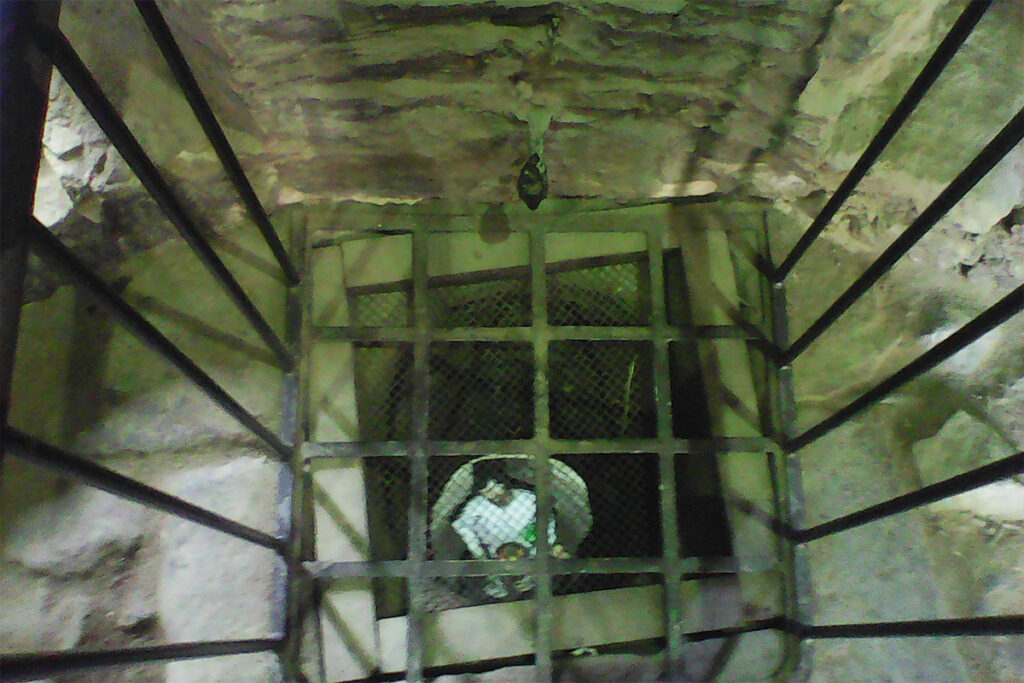
Some spaces identified as oubliettes may originally have been cisterns, latrines, storage areas, or architectural voids. The word itself became closely associated with “forgetting,” which may have helped later legends grow around it.
It is one more example of how familiar stories about the past can become more dramatic with every retelling, much like the other historical lies many people still believe.
- Where and when: Associated with European castles and prisons, especially in stories about the medieval and early modern periods.
- Why it was feared: It replaced a visible execution with isolation, darkness, and uncertainty.
- Reality check: The structure is real, but specific claims about prisoners routinely being abandoned among previous victims often lack reliable evidence.
7. Trial by Water: When Survival Could Look Like Guilt
The test created a trap in which almost any outcome could become dangerous.
During some European witch persecutions, an accused person might be bound and placed in water. According to the logic of the test, water—a pure element—would reject a witch, causing the accused to float.
Sinking could suggest innocence, but it also placed the person in immediate danger. Floating could be interpreted as evidence of guilt.

This was less a reliable legal procedure than a ritualized performance of belief. It transformed the natural behavior of bodies, clothing, ropes, and water into supposed supernatural proof.
- Where and when: Used sporadically in parts of early modern Europe, particularly during witch persecutions.
- Why it was feared: The accused entered a test whose meaning was controlled by people who already suspected guilt.
- Reality check: Witch trials and medieval inquisitions were not one unified campaign. Their institutions, dates, procedures, and targets differed.
8. The Rack: A Confession at Any Cost
The rack exposed a fatal flaw in torture: unbearable pressure can produce words, but not necessarily truth.
The device restrained a prisoner while increasing tension on the body. Authorities could use it during interrogation, particularly when searching for confessions, accomplices, or political information.
Its purpose was not always immediate execution. The threat itself could be enough. Seeing the device, hearing an explanation, or watching preparations might persuade a prisoner to speak.
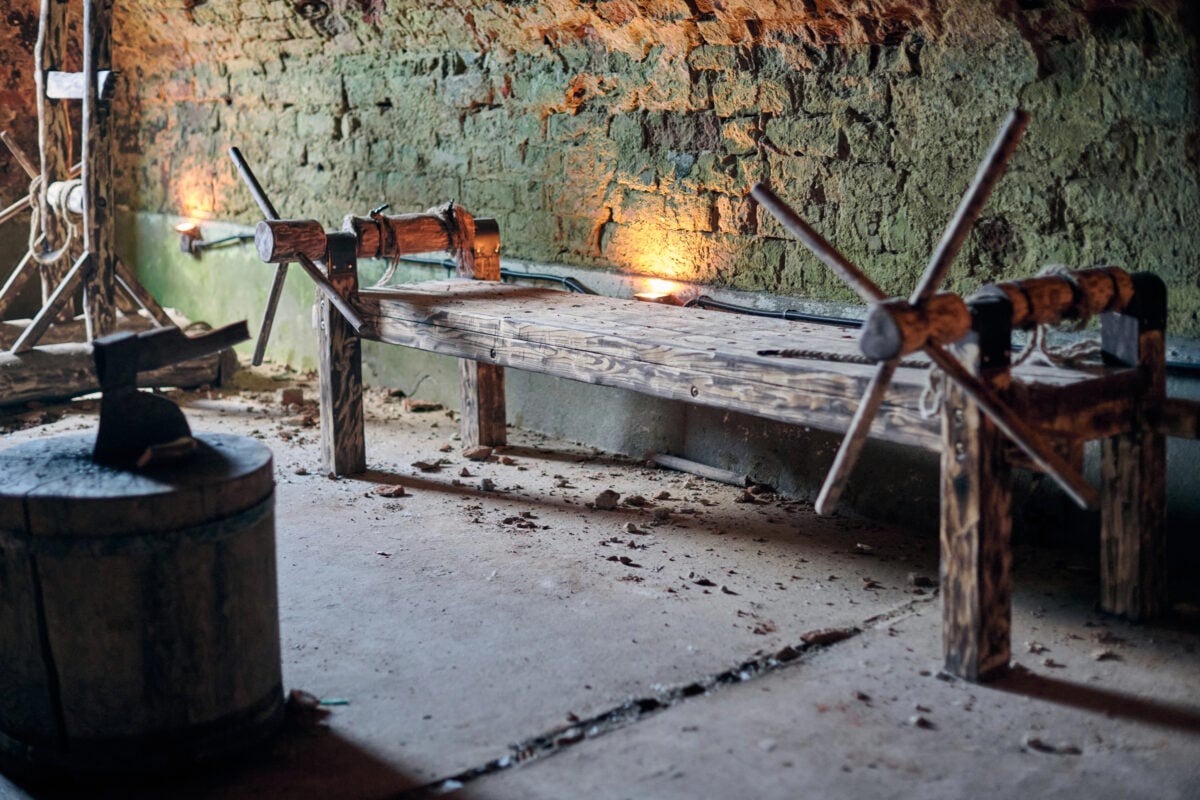
But statements made under extreme pressure are inherently unreliable. A person may say what interrogators want to hear just to make the ordeal stop.
- Where and when: Variations appeared in ancient and later European contexts; it became strongly associated with early modern judicial torture.
- Why it was feared: The prisoner knew that innocence did not guarantee release and that confession might be the only apparent escape.
- Reality check: The rack was real, but popular descriptions often exaggerate standardized procedures and claim every use produced the same injuries.
The rack belonged to a wider world of intimidating machinery, unusual weapons, and devices now closely associated with the darker side of the medieval age.
9. Hanging, Drawing, and Quartering: Treason as Theater
The sentence was designed so that one execution could send warnings in several directions.
In England, men convicted of high treason could be drawn to the execution site, hanged, beheaded, and divided into quarters. The exact sequence and degree of suffering varied, and later sentences were sometimes reduced.
The political meaning, however, was unmistakable.

Treason was treated not as an ordinary crime but as an attack on the body of the monarch and the stability of the state. The condemned person’s body could therefore be symbolically destroyed, with portions displayed in different locations.
The punishment continued speaking after the prisoner was dead.
- Where and when: Medieval and early modern England and later Britain; principally used for male traitors.
- Why it was feared: It combined execution, public disgrace, and the denial of an intact burial.
- Reality check: Not every sentenced prisoner experienced every stage while conscious, and some punishments were commuted.
10. Beheading: The “Privileged” Execution
One of history’s strangest inequalities was the belief that some forms of death were more honorable than others.
Beheading was often associated with nobles, military figures, and people of elevated status. Compared with hanging or prolonged public mutilation, it could be presented as quicker and less degrading.
That did not make it reliably painless.
An execution depended on the skill of the person holding the axe or sword, the condition of the weapon, the movement of the condemned, and the circumstances surrounding the event. Multiple blows were not unknown.
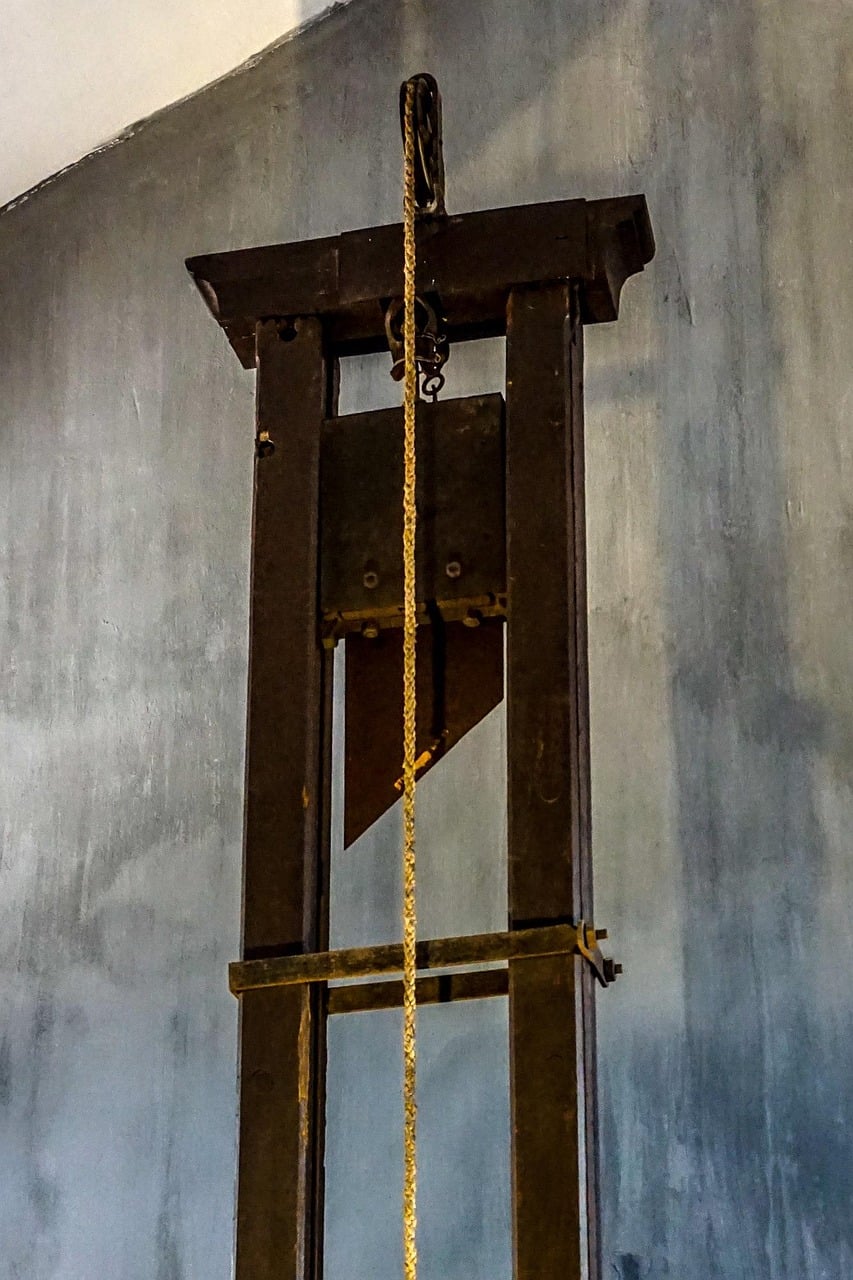
Its supposed dignity reveals the class structure behind historical punishment. The law could preserve hierarchy even at the moment of death.
- Where and when: Used in many societies across ancient, medieval, and early modern history.
- Why it was feared: A punishment regarded as swift could still go badly—and the condemned had to face that uncertainty in public.
- Reality check: Beheading was not universally reserved for nobles, but status often influenced whether it was available.
11. The Iron Maiden: History’s Most Famous Fake?
This may be the most recognizable medieval torture device never actually used in the Middle Ages.
The Iron Maiden is usually depicted as a human-sized metal cabinet lined with spikes. It appears in museums, television programs, games, and countless lists of medieval horrors.
The problem is evidence.
Historians have found no convincing proof that the familiar device was used in medieval Europe. Known examples appear to have been constructed centuries later, when exhibitions could attract paying audiences with supposedly authentic relics of a barbaric past.
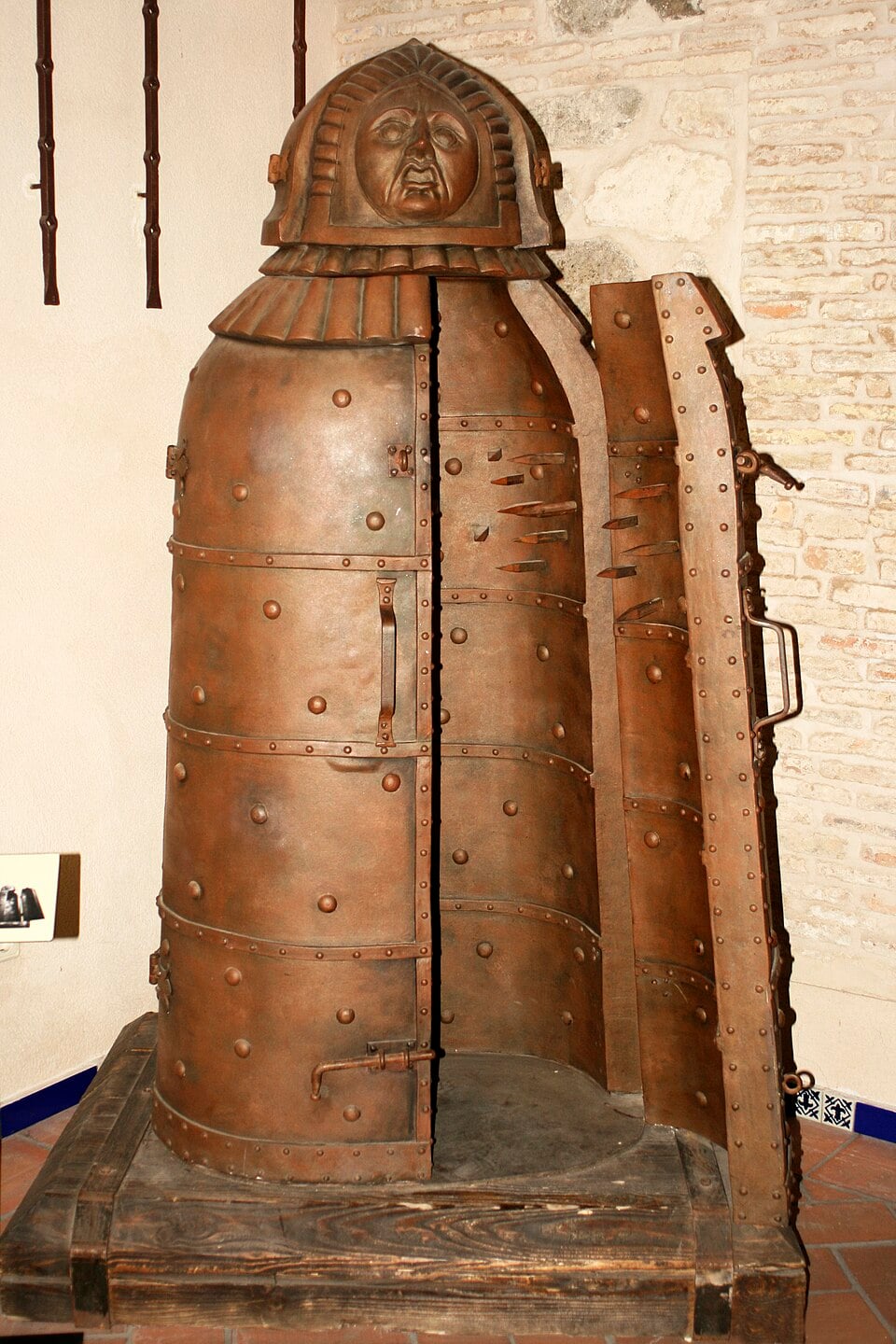
Its fame tells us something important: people do not only inherit history. They also manufacture the version of history they expect to see.
- Where and when: Created or assembled as a supposed historical device mainly in the 18th and 19th centuries.
- Why it was feared: Its enclosed design made it an almost perfect symbol of helplessness, even if that symbolism was largely invented.
- Reality check: The Iron Maiden belongs more securely to the history of sensational museums than to medieval criminal justice.
12. When Punishment Became State Terror
The modern prison camp does not fit neatly beside a rack, gallows, or execution block.
Under totalitarian systems, detention could become part of a much larger project: eliminating political opposition, exploiting forced labor, persecuting entire populations, and making fear part of daily life.
Nazi concentration camps formed part of a much larger system of imprisonment, forced labor, persecution, and mass murder. The United States Holocaust Memorial Museum’s overview of the Nazi camp system explains how different types of camps developed and how their purposes changed under Nazi rule.
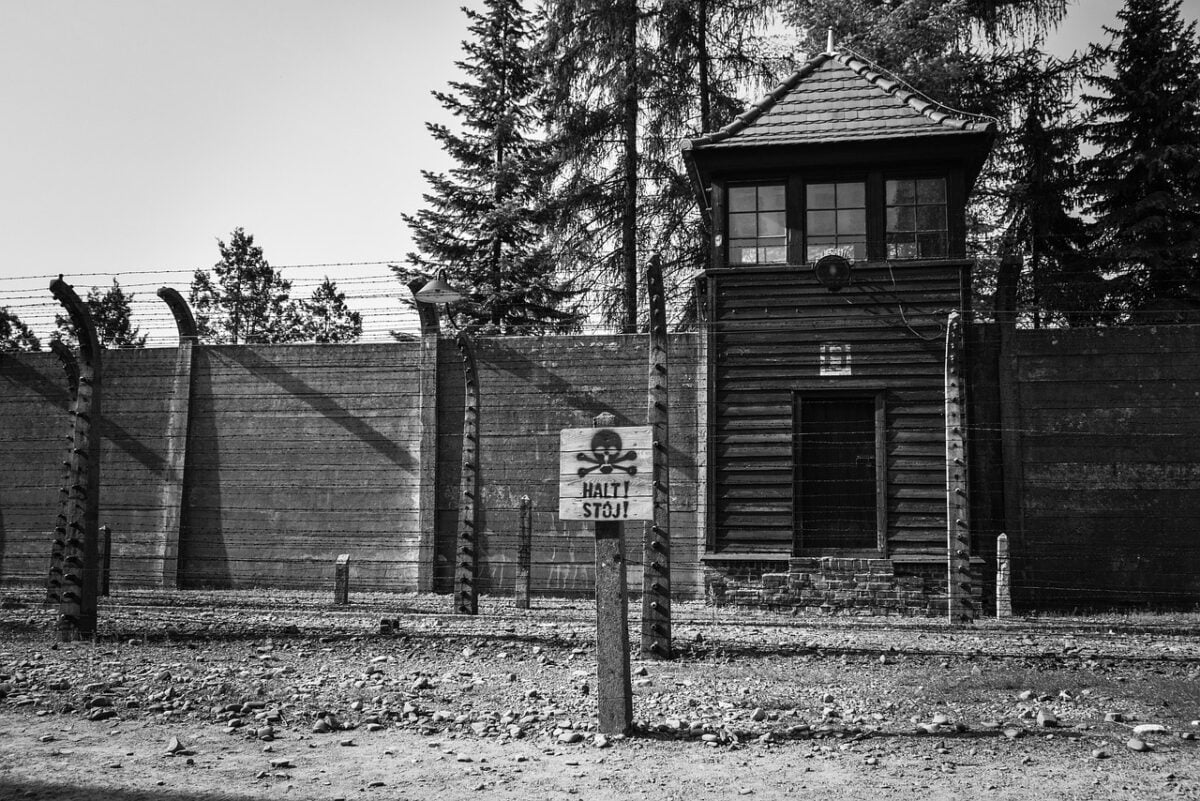
They formed part of a broader system that culminated in the Holocaust—the systematic murder of six million European Jews—as well as the persecution and killing of millions of other victims—describing this only as “punishment” risks obscuring its genocidal purpose.
The Soviet Gulag administered a vast forced-labor camp system that held political prisoners, criminal prisoners, and many people caught in waves of repression. Hunger, disease, exhausting labor, and severe climates made incarceration potentially deadly.
United Nations investigations have also documented grave and continuing abuses associated with political detention in North Korea, including forced labor, starvation, torture, enforced disappearance, and prison camps. These findings should be discussed as documented allegations and human-rights investigations, not as lurid entertainment.
- Where and when: Nazi-controlled Europe, the Soviet Union, and modern North Korea, under very different political systems and historical circumstances.
- Why it was feared: The state could punish not only an individual act but also a person’s identity, family connections, political beliefs, or presumed disloyalty.
- Reality check: These systems should not be flattened into interchangeable examples. Each requires its own historical explanation, evidence, and treatment of victims.
What These Punishments Were Really Designed to Do
The most disturbing historical punishments were rarely based on pain alone.
They transformed a person into a message.
Hammurabi’s laws reinforced social rank. Roman decimation turned comrades into enforcers. Public executions displayed the reach of rulers. Treason punishments attacked the condemned person’s name and body. Witch tests made fear look like evidence. Modern prison systems expanded punishment until entire groups could be treated as enemies.
And then there are the legends.
The Iron Maiden and exaggerated oubliette stories remind us that later generations also shaped the past, sometimes making it darker because darkness sells.
The real history is more complicated—and often more unsettling.
Cruelty was not always chaotic. It could be written into law, defended as tradition, justified by religion, organized as entertainment, or presented as necessary for public safety.
That was its strangest logic: punishment worked best when the people watching believed it protected them.
More Feared Punishments and Methods of Control
The main list only scratches the surface. These additional examples show how punishment could target the body, the mind, or an entire social group—and how some of history’s darkest stories sit somewhere between fact and legend.
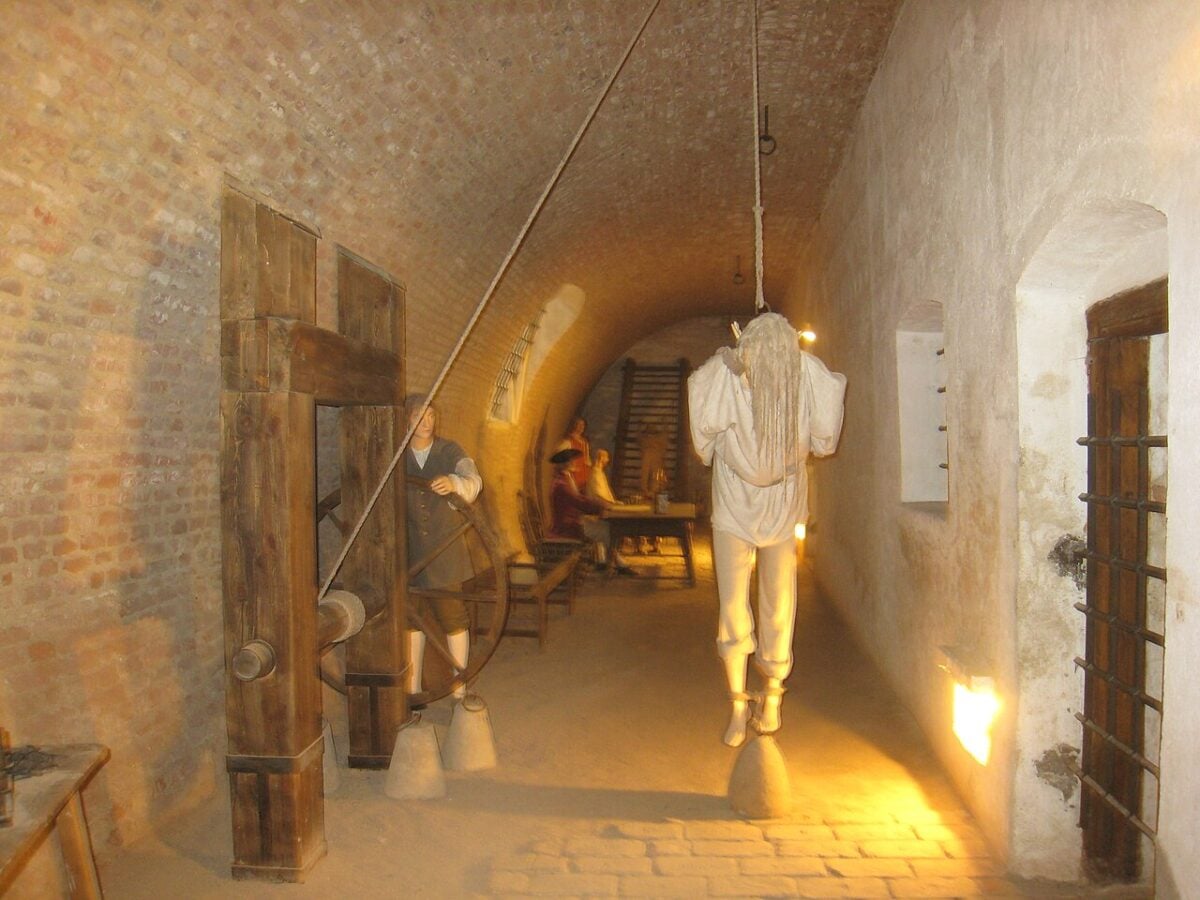
- The Strappado: Prisoners were suspended by arms tied behind their backs, often during interrogation. Its purpose was to apply enough pressure that silence felt impossible.
- Scaphism: Ancient writers claimed Persian authorities trapped victims between boats and left them exposed to insects. The story is horrifying, but historians cannot confirm whether it happened exactly as described.
- The Breaking Wheel: Used in parts of Europe, this punishment combined execution with public display. The wheel could remain visible afterward, extending the warning long beyond the sentence itself.
- Punishment Under American Slavery: Whipping, confinement, sale, family separation, and other forms of violence were used to enforce labor and prevent resistance. This was part of a legal system built around racial control. That system also developed within a broader age of territorial expansion and empire, themes that shaped the histories of both the United States and the rise of the British Empire.
- The Trail of Tears: In the 1830s, the United States forcibly removed Native nations from their homelands in the Southeast. Thousands suffered from exposure, disease, hunger, and death along the routes west. It was not a criminal punishment, but a campaign of forced displacement backed by state power.
- White Torture: A modern term for practices such as extreme isolation, constant lighting, sleep disruption, and sensory deprivation. Unlike public punishment, its power comes from leaving few visible signs.
Together, these examples reveal the same unsettling pattern: punishment was often most effective when it controlled not only the victim, but everyone who feared becoming next.
Frequently Asked Questions
Still curious about how these punishments worked—or whether a disturbing historical claim is fact or legend? These quick answers cover some of the most common questions. If there is something we missed, leave your question in the comments.
What was the worst punishment in human history?
There is no objective answer because severity depends on duration, physical suffering, humiliation, and historical context. Punishments such as crucifixion, lingchi, and hanging, drawing, and quartering were especially feared because they combined execution with public disgrace.
Were all medieval torture devices real?
No. Devices such as the rack and strappado are historically documented, but the famous Iron Maiden was probably created or assembled centuries after the medieval period. Other devices and stories were exaggerated in museums and popular entertainment.
Why were historical punishments performed in public?
Public punishment allowed rulers and courts to turn one sentence into a warning for an entire community. The spectacle reinforced authority, discouraged resistance, and publicly marked the condemned person as an outsider.
Was Scaphism a real Persian punishment?
Possibly, but the evidence is uncertain. The best-known account comes from ancient Greek writers who may have exaggerated Persian cruelty. It is safer to describe Scaphism as a reported punishment rather than a firmly verified practice.
What History’s Worst Punishments Reveal
The most disturbing thing about these punishments is not simply how cruel they were. It is how often they were treated as reasonable.
Rulers used suffering to defend their authority. Courts used fear to force confessions. Public executions turned death into a warning, while forced labor, displacement, and isolation allowed punishment to reach entire communities.
Some infamous methods were real. Others were exaggerated, misunderstood, or invented long after the period in which they supposedly appeared. In both cases, their stories reveal what societies feared—and how easily cruelty could be justified when it was called justice.
History is filled with other stories where fact and legend are difficult to separate. Discover more in Historical Lies You Thought Were True, explore the rulers behind some of Rome’s darkest chapters in The Worst Roman Emperors in History, or continue into the strange world of Weird Weapons of the Medieval Age.
Which Punishment Surprised You Most?
Which punishment surprised you most—and which one do you think has been exaggerated over time? Share your thoughts in the comments, and let us know which dark chapter of history we should investigate next.