Britain is a relatively small group of islands off the coast of Europe. Yet at its height, the British Empire controlled roughly a quarter of the world’s land and population.
So how did the British Empire get so big?
Table of Contents
It wasn’t simply a story of conquest. Britain’s rise came from a striking mix of geography, naval power, trade, money, war and timing.
The real story is how those forces worked together, and how a small island built a global system powerful enough to reshape much of the world.
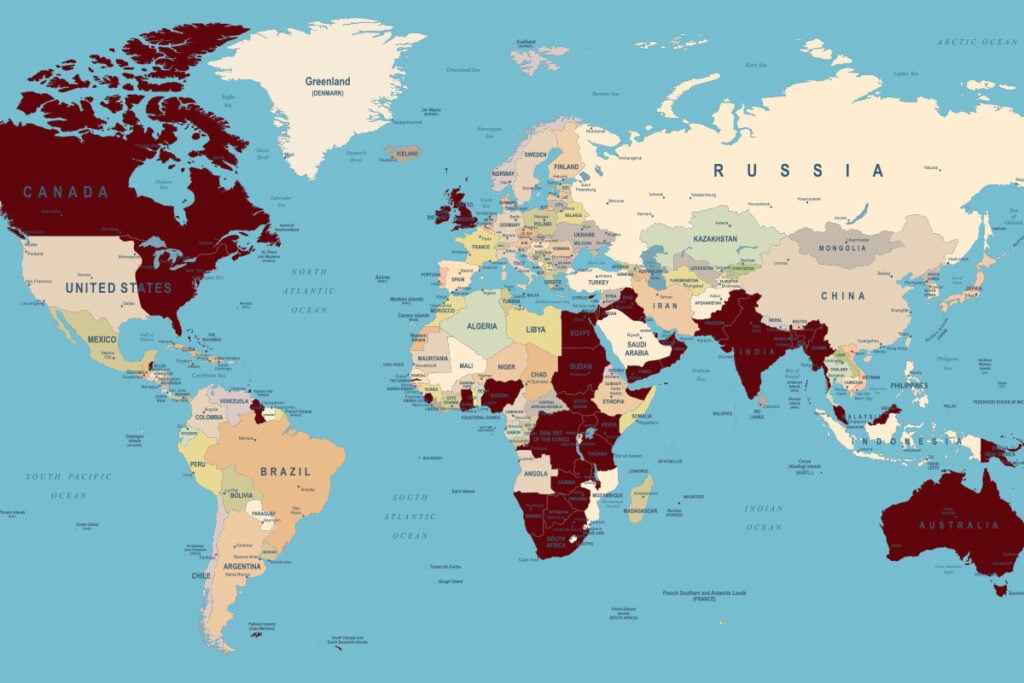
How Big Was the British Empire?
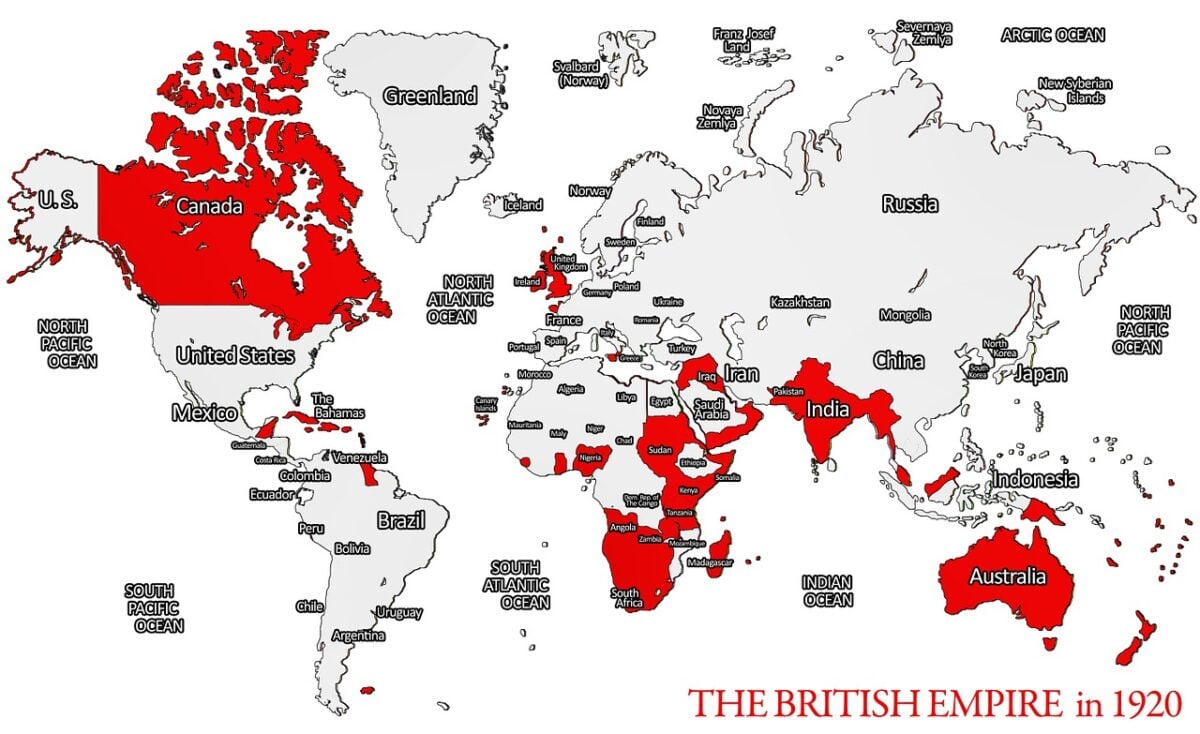
At its greatest extent in the early 20th century, the British Empire covered roughly a quarter of the world’s land and governed around a quarter of its population—giving rise to the phrase “the empire on which the sun never sets.”
But this outcome was anything but inevitable. England entered overseas expansion later than Spain and Portugal, faced powerful French and Dutch rivals, and even lost some of its most important colonies. So how did Britain eventually pull ahead?
Britain’s Island Geography Pushed It Toward the Sea
Britain’s first great imperial advantage was also an apparent limitation: it was an island.
Unlike France, Austria, Prussia and other European powers, Britain was separated from much of continental Europe by water.
That did not make Britain immune to invasion or eliminate its involvement in European wars. But geography placed unusual importance on ships.
Britain depended heavily on maritime connections for trade and security. Protecting the country increasingly meant protecting the waters around it. Expanding commerce meant sending ships farther overseas. Fighting enemies often meant attacking their fleets, disrupting their trade or capturing their overseas possessions.
Over time, Britain invested enormous resources in sailors, dockyards, shipbuilding, ports and naval infrastructure.
Its geography encouraged a strategic habit: look outward toward the sea.
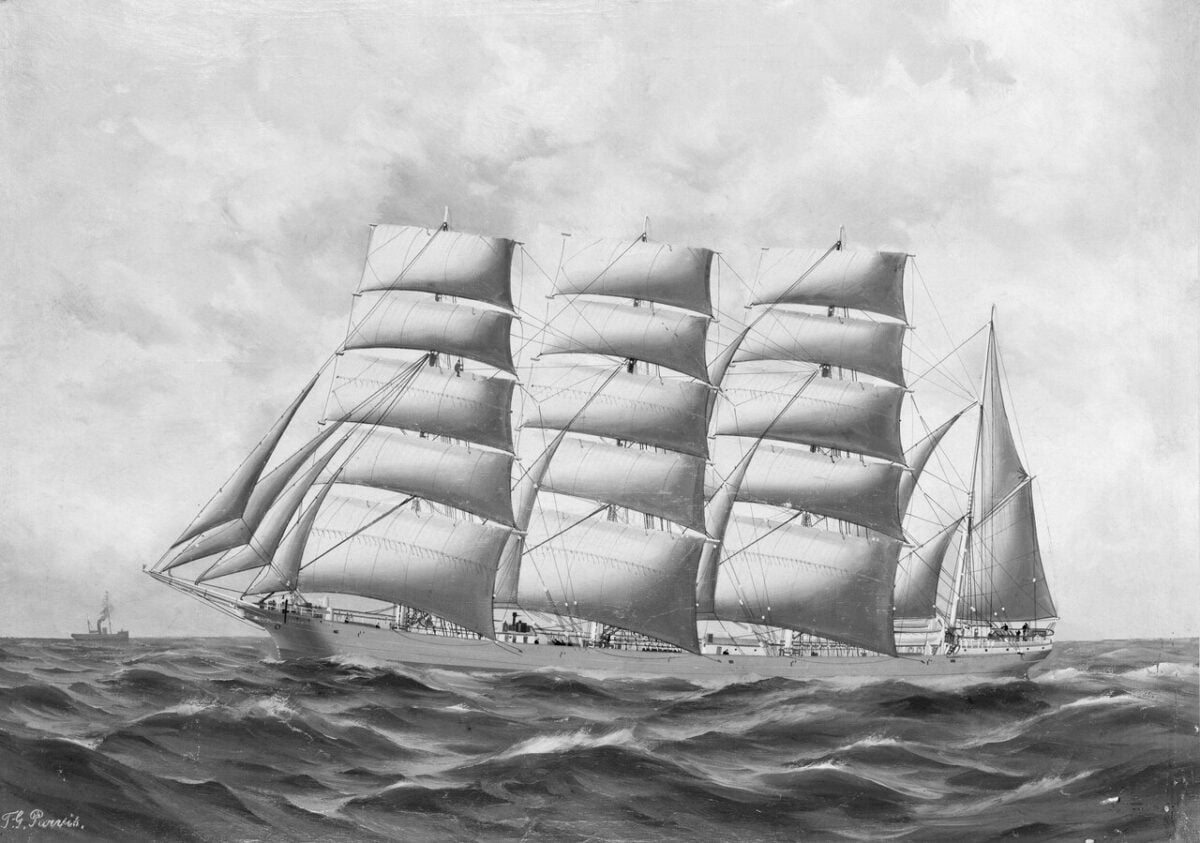
This became increasingly important as England began challenging older maritime powers during the 16th and 17th centuries.
Under Elizabeth I, English sailors and privateers such as Francis Drake combined exploration, commerce and warfare. Some attacked Spanish shipping and settlements. Others searched for new trading opportunities.
These early expeditions did not yet amount to the British Empire that would eventually cover a quarter of the globe.
But they helped establish a pattern that would repeatedly appear over the next three centuries:
Trade created reasons to travel overseas, and naval power helped Britain protect and expand that trade.
Why this mattered: Britain’s location did not automatically create an empire. But it encouraged sustained investment in maritime power, which Britain eventually turned into an enormous strategic advantage.
The Royal Navy Turned the Oceans Into Britain’s Highways
If geography pointed Britain toward the sea, the Royal Navy helped turn that orientation into global power.
A navy could do much more than win spectacular battles.
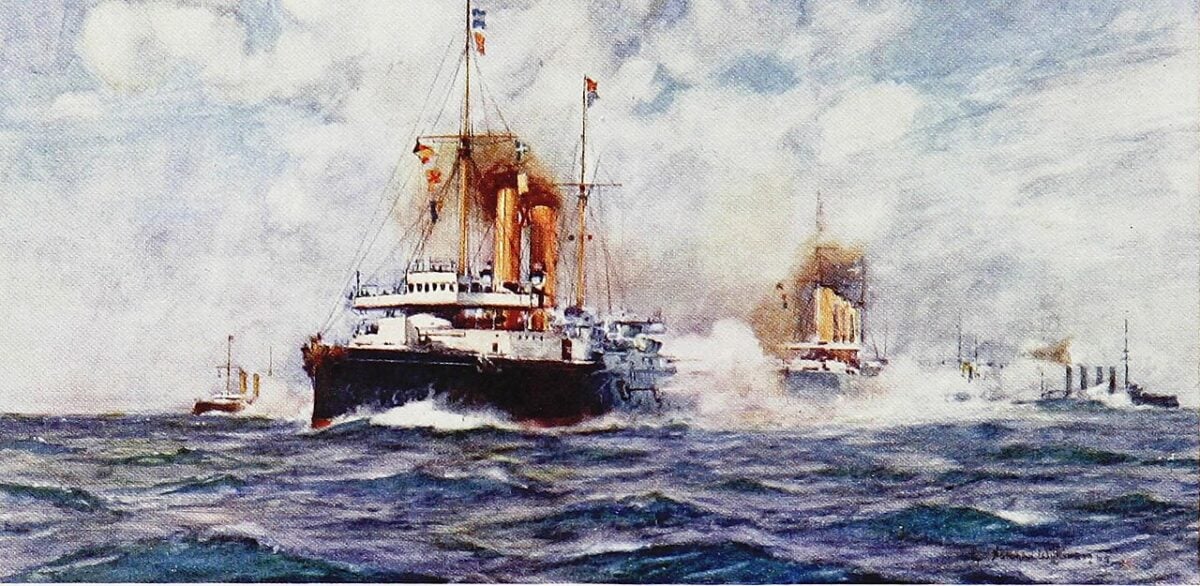
British warships protected merchant vessels carrying goods across the Atlantic and Indian Oceans. They escorted convoys, attacked enemy shipping, blockaded rival ports, transported troops, defended colonies and captured strategically valuable islands and harbors.
This made the Royal Navy something like the infrastructure behind Britain’s overseas power.
Think of Britain’s ships as floating roads, fortresses and supply lines.
Britain did not need to control every piece of territory between London and India. It needed to keep ships, supplies, soldiers, and information moving between important points.
Naval bases and ports therefore mattered enormously.
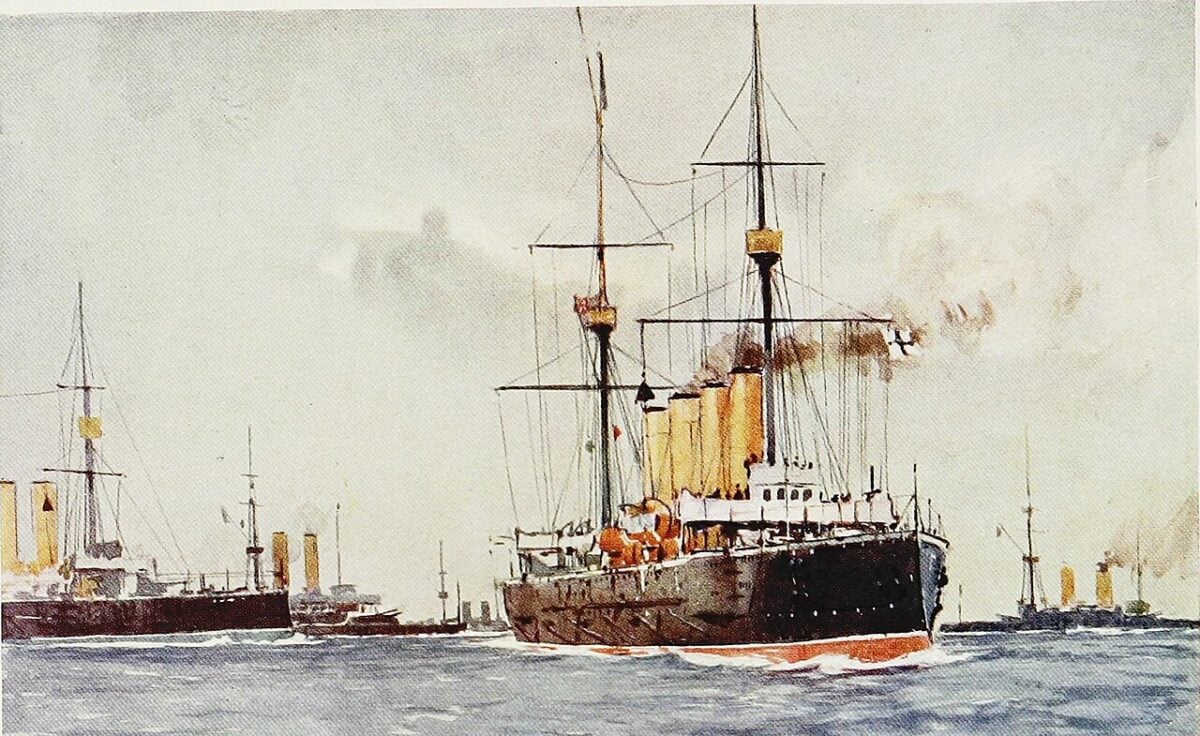
Gibraltar helped Britain project power into the Mediterranean. Malta later became another crucial base. Cape Town occupied an important position on the route around southern Africa. Singapore became a major commercial and strategic center connecting the Indian and Pacific Oceans.
After the opening of the Suez Canal in 1869, the route through Egypt became especially important because it shortened the journey between Britain and India. Britain’s occupation of Egypt in 1882 was driven by several considerations, but the security of this route became central to British strategic thinking.
The Royal Navy connected these distant points.
This was one reason Britain could exercise influence thousands of miles from home without maintaining enormous British armies everywhere.
Naval power and commerce reinforced one another. Trade gave Britain more interests to protect, while naval strength made British commerce safer and helped open new ports and markets.
Trade → naval power → safer trade → new opportunities → more trade
Why this mattered: Britain was not simply collecting territories. It was building a maritime network, and whoever could protect that network possessed an enormous advantage in a world increasingly connected by oceanic trade.
British expansion was rarely driven by conquest alone. As the UK Parliament’s overview of Parliament and Empire notes, the empire developed through a shifting combination of trade, war and treaty rather than one single method.
Trade Often Came Before Conquest
When people picture an empire expanding, they often imagine armies crossing borders and planting flags.
British expansion frequently began much less dramatically.
It began with merchants.
English traders established commercial relationships and trading posts in the Americas, Africa, and Asia. Some of these ventures failed. Others became enormously profitable.
To encourage overseas commerce without having the government directly manage every venture, English monarchs granted charters to private companies.
One of them would become perhaps the most remarkable corporation in history.
The East India Company: A Business That Became an Empire
The East India Company, founded in 1600, began as a commercial enterprise seeking access to Asian trade.
Its original purpose was not to conquer India.
Company merchants wanted valuable commodities and profitable trading relationships. They established trading settlements—often called factories—along the Indian coast and negotiated with local rulers.
But commerce gradually became entangled with politics and military power.
As the Mughal Empire weakened during the 18th century and competing regional powers struggled for influence, European trading companies became increasingly involved in Indian political conflicts.
The British East India Company and its French rivals backed competing rulers and fought one another.
The turning point most often associated with Britain’s rise in Bengal was the Battle of Plassey in 1757.
A Company force commanded by Robert Clive defeated the Nawab of Bengal, Siraj ud-Daulah, after a combination of military action, political intrigue and defections among the Nawab’s supporters.
Plassey did not instantly hand Britain control of India.
What it did was help place the East India Company in an extraordinarily powerful political position in Bengal.
Over the following decades, the Company expanded its influence and territories. It collected revenue, negotiated treaties, maintained armies, and intervened in disputes among Indian states.
A corporation founded to trade increasingly behaved like a government.
At its height, the Company controlled vast territories and commanded huge armies, many of whose soldiers were Indian.
That is one of the strangest and most important facts in the history of the British Empire:
One of the principal engines of British expansion was not originally the British state. It was a private company.
Why this mattered: Chartered companies allowed Britain to extend commercial and political influence without requiring the government in London to conquer and administer every territory directly from the beginning.
Money Helped Britain Fight Bigger Wars
The empire was expensive. Fleets, armies and prolonged wars required enormous amounts of money.
Britain developed sophisticated systems of taxation, government borrowing, banking and insurance. The Bank of England, founded in 1694, became part of a financial system that helped the state borrow against future revenues and sustain wars for years.
That gave Britain something crucial: staying power. It could finance ships, troops and subsidies to allies even during long conflicts.
Why this mattered: Britain’s ability to mobilize money was not merely a consequence of empire—it helped make expansion possible.
Britain Expanded by Beating—or Outlasting—Its Rivals
Britain entered overseas competition after Spain, Portugal and the Dutch Republic had already built formidable maritime networks. English sailors challenged Spanish dominance from the late 16th century, while 17th-century wars with the Dutch reflected fierce competition over shipping and commerce.
These struggles helped sharpen England’s naval and commercial capabilities—but France would become its most consequential imperial rival.

France Became Britain’s Great Imperial Rival
The most consequential struggle was with France.
During the 18th century, Britain and France fought repeatedly in conflicts that stretched far beyond Europe.
The decisive moment came during the Seven Years’ War of 1756–1763.
Fighting occurred in Europe, North America, the Caribbean, West Africa, India and at sea. It has sometimes been described as an early global war because of its extraordinary geographical scope.
Britain emerged with major gains.
France gave up Canada to Britain, while British victories also strengthened the East India Company’s position against French competition in India.
It is important not to say Britain simply “received India” in the peace settlement. British control over the subcontinent developed through decades of Company expansion, warfare, treaties and alliances with Indian rulers.
Still, the Seven Years’ War dramatically altered the balance of imperial power.
Britain had weakened one of its most dangerous competitors.
The Napoleonic Wars Strengthened Britain’s Position at Sea
The struggle with France returned on an even larger scale during the wars of the French Revolution and Napoleon.
The Battle of Trafalgar in 1805 was especially important.
Admiral Horatio Nelson’s victory over the combined French and Spanish fleet helped ensure that Napoleon could not seriously challenge British command of the seas.
Britain still needed allies and armies to defeat Napoleon on land. But at sea, Britain’s position became exceptionally strong.
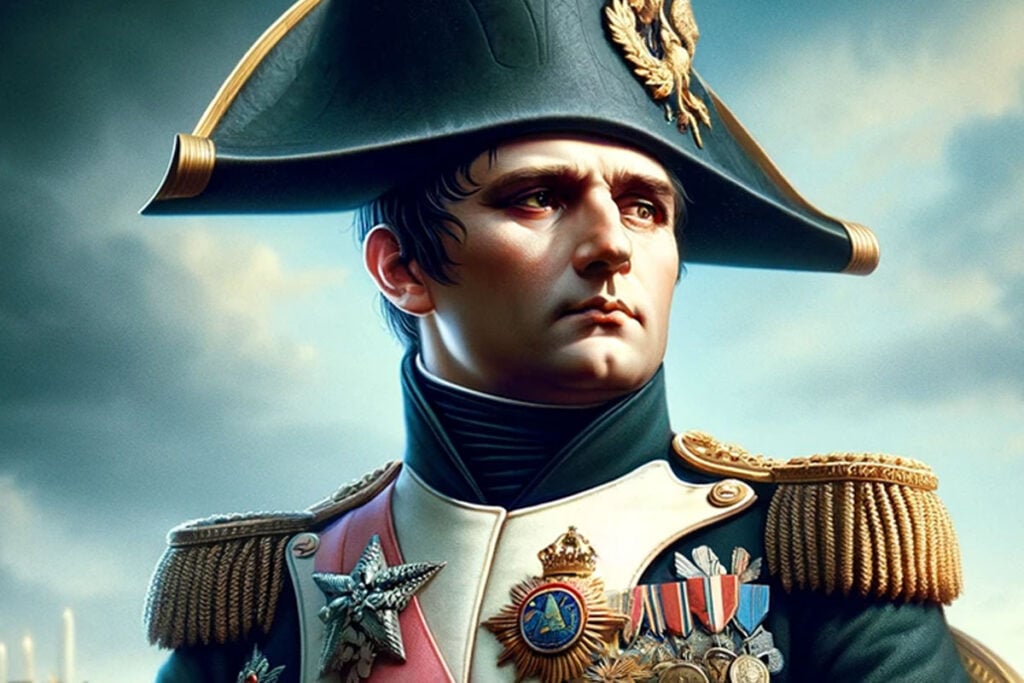
After Napoleon’s final defeat in 1815, Britain entered a period in which no rival possessed a comparable combination of naval reach, commercial connections and overseas bases.
British naval power also shaped the calculations of other empires. Russia’s concern that it might lose Alaska to Britain in a future conflict was one factor behind the sale of Alaska to the United States in 1867.
Why this mattered: Many of Britain’s greatest opportunities for expansion came from wars that weakened competing empires. Britain grew not because it won every conflict, but because it repeatedly emerged from crucial struggles with stronger maritime and commercial positions.
Losing America Should Have Been a Disaster. Instead, the Empire Became Bigger.
One event appears to break the entire story.
The American Revolution cost Britain thirteen important colonies.
After disputes over taxation, representation and imperial authority escalated into war in 1775, the colonies declared independence in 1776.
France joined the American side in 1778, while Spain and the Dutch Republic also became involved in conflicts that stretched British resources across several regions.
Britain eventually recognized American independence in 1783.
Losing the thirteen colonies was a major imperial defeat.
Yet something surprising happened afterward.
The British Empire continued expanding.
Britain had lost territory, but it had not lost the underlying machinery of empire: its navy, financial system, commercial networks and rapidly expanding influence in India.
Why this mattered: Losing the American colonies demonstrated that the empire was not dependent on one region. The commercial, naval and financial machinery that supported British expansion remained intact.
India Became the Empire’s Engine
If the center of British imperial gravity shifted after the American Revolution, nowhere mattered more than India.
The East India Company’s expansion after Plassey was gradual, violent and politically complicated.
Britain did not simply defeat a single Indian government and inherit the subcontinent.
India contained numerous states, rulers, communities and competing political interests. Company officials alternately fought, allied with and negotiated with these powers.
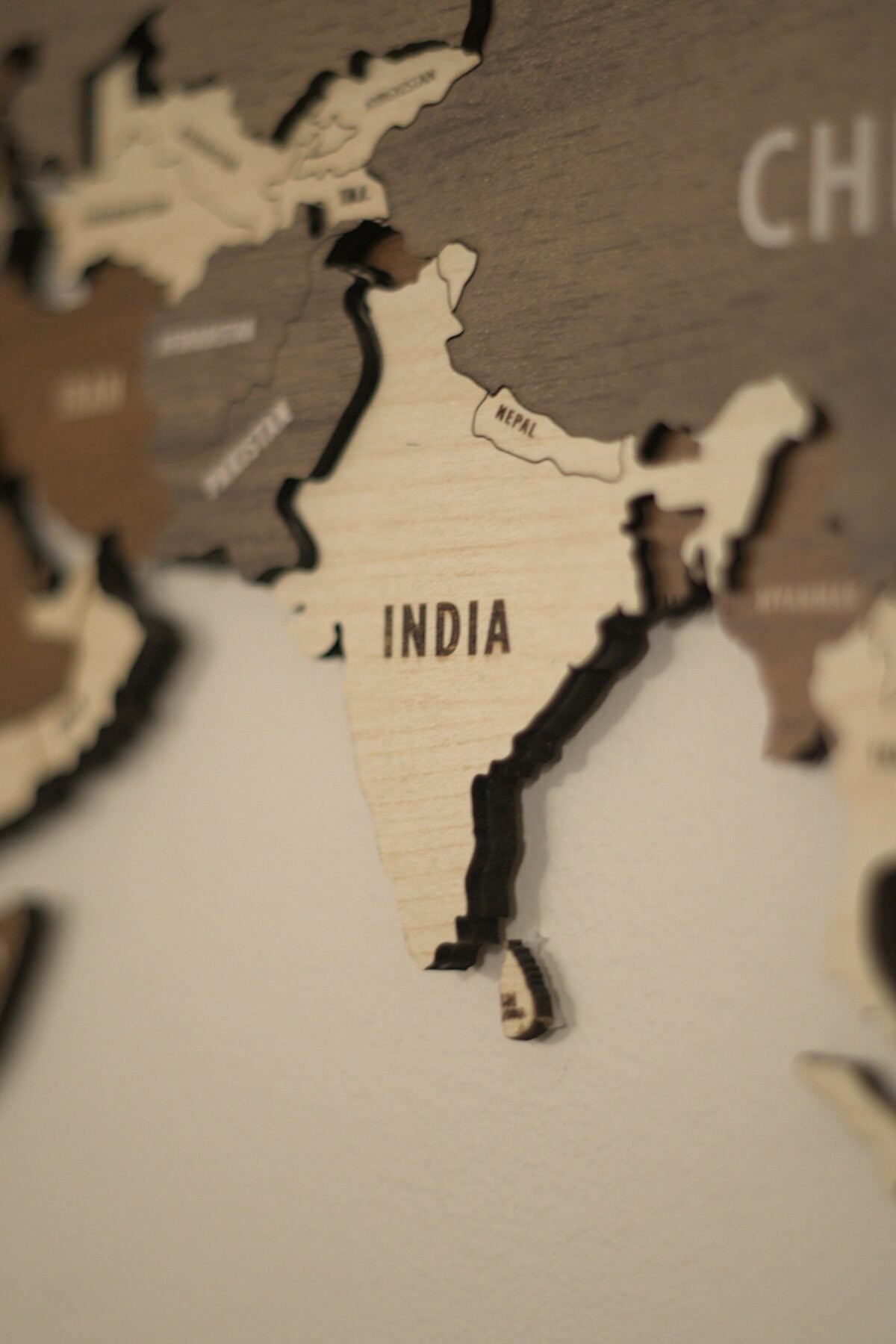
Revenue was crucial.
Control over prosperous territories such as Bengal gave the Company access to large amounts of tax income. That money helped finance administration and military forces, which in turn could support further expansion.
The pattern could become self-reinforcing:
Territory → tax revenue → larger armies → further territorial expansion
By the 19th century, the East India Company ruled huge areas of the subcontinent either directly or through political arrangements with Indian rulers.
But Company rule generated intense resentment and repeated resistance.
The 1857 Rebellion Changed How India Was Ruled
In 1857, Indian soldiers in the Company’s army rebelled.
The uprising spread across large parts of northern and central India and became a much wider revolt involving soldiers, rulers and civilians with differing motivations.
British forces eventually suppressed it after brutal fighting and reprisals.
The consequences were enormous.
In 1858, the British government ended East India Company rule and transferred governing authority to the Crown.
This marked the beginning of what became known as the British Raj.
India became central to British imperial strategy.
It supplied tax revenue, commodities, markets and soldiers. Indian troops fought in British imperial campaigns far beyond the subcontinent and later served in enormous numbers during both world wars.
India’s geographical position also helped connect British interests stretching from the Middle East to Southeast Asia.
This is why descriptions such as the empire’s “jewel in the crown” became so common.
But an even better metaphor may be:
India became one of the empire’s principal engines.
Why this mattered: India greatly expanded Britain’s economic resources, military manpower and strategic reach. Protecting routes to India became one of the central priorities of British imperial policy.
Industrialization Made Distance Easier to Conquer
Britain had already built a substantial empire before the Industrial Revolution reached its full force.
Industrialization therefore did not create the British Empire from nothing. What it did was make Britain’s global reach increasingly powerful.
Factories could manufacture textiles, machinery, weapons and other goods on an enormous scale. Steam power transformed transportation.
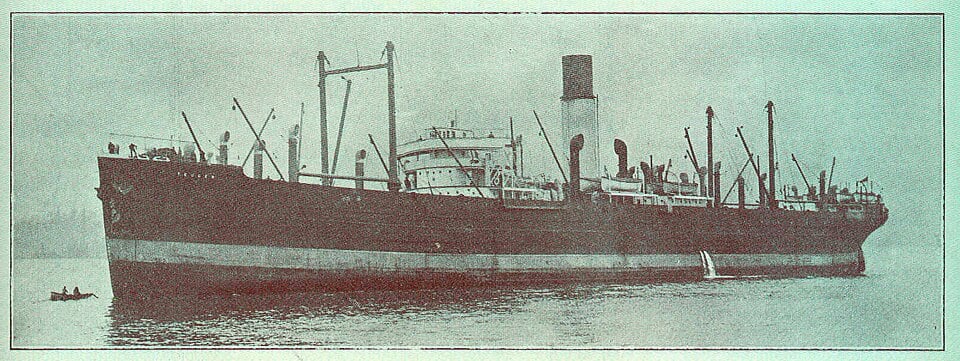
Steamships were less dependent on favorable winds and could make journeys more predictable. Railways allowed people, soldiers and goods to move inland far more quickly than before.
Advances in weapons increased the destructive power available to imperial armies.
Then came a technology that was less visually dramatic but equally important: the telegraph.
Earlier imperial officials could wait weeks or months for instructions from London.
Telegraph networks radically reduced that communication delay.
By the late 19th century, submarine cables helped create a communications system connecting Britain to major parts of its empire.
Information that once traveled at the speed of a sailing ship could increasingly move in minutes or hours.
Empire and Industry Strengthened Each Other
It is too simplistic to say:
Industrial Revolution → British Empire
The relationship worked in both directions.
The empire provided Britain with commodities, markets, investment opportunities, and commercial connections. Imperial and military demand also stimulated areas of British production.
At the same time, Britain’s industrial economy supplied technologies and manufactured goods that strengthened its global influence.
The better model is:
Industry strengthened empire ↔ empire created opportunities for industry and commerce
Why this mattered: Britain increasingly possessed not simply ships and colonies, but an industrial system capable of supplying, transporting, and connecting power across extraordinary distances.
Britain Did Not Rule Every Territory the Same Way
Another clue to how Britain controlled such an enormous empire is that it did not govern every territory in the same way.
The red areas on imperial maps could represent very different political arrangements. Some were colonies under direct British sovereignty. Others were dominions such as Canada, Australia and New Zealand, which became increasingly self-governing. In protectorates, local rulers or institutions often remained in place while Britain controlled key areas of policy. After World War I, Britain also administered several former German and Ottoman territories under the League of Nations mandate system.
These arrangements were often messy in practice, but they gave Britain flexibility. London did not need to administer every territory through the same institutions—or with the same number of British officials.
Why this mattered: Britain could extend control over a vast empire partly because it adapted its methods of rule to different places instead of relying on one uniform system.
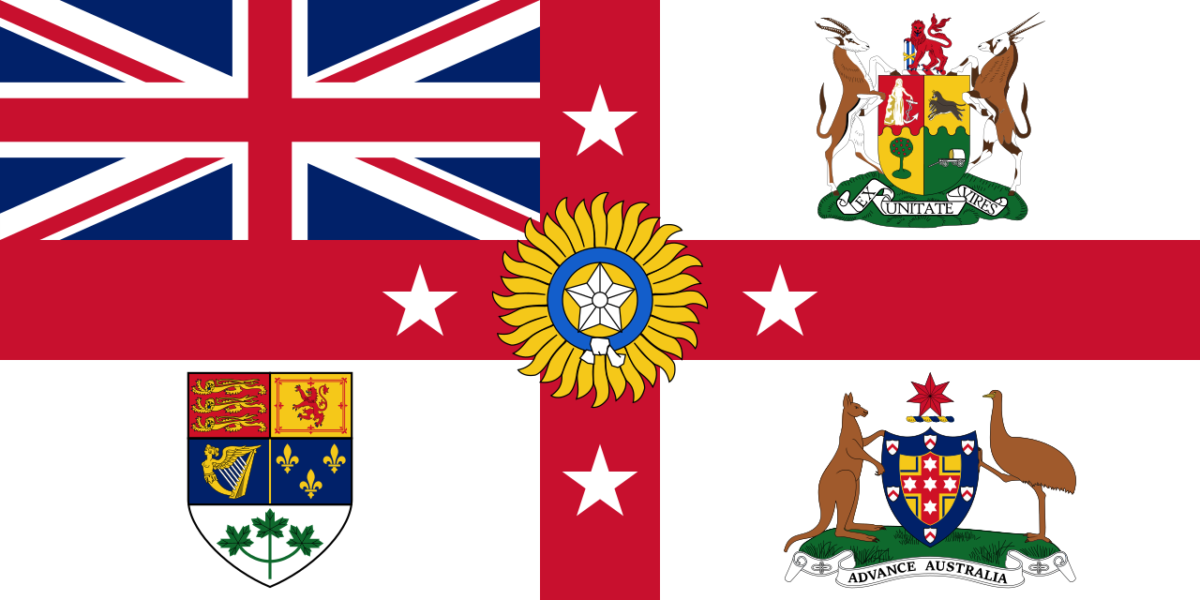
Rule Often Depended on Local People
Across the empire, Britain relied heavily on people who were not British.
Local rulers governed some territories.
Indian soldiers formed much of the military force behind British rule in South Asia.
African troops served in colonial armies.
Local clerks, translators, tax collectors, police officers, merchants and political intermediaries helped imperial institutions function.
That matters because the image of a handful of officials in London directly controlling hundreds of millions of people is misleading.
British imperial power depended on networks of collaboration, negotiation and coercion.
Local actors participated for many different reasons—opportunity, survival, political advantage, loyalty, pressure or because cooperation appeared preferable to alternatives.
Those arrangements could also collapse.
Rebellions and resistance repeatedly demonstrated that British authority was never as effortless as a map painted red might suggest.
Why this mattered: Britain’s empire became manageable partly because Britain did not attempt to govern every territory in exactly the same way. Flexible—and unequal—systems of rule reduced the personnel and money required to control enormous areas.
Britain Built a Network of Strategic Choke Points
Not every valuable part of the empire was large.
Some tiny territories mattered because of where they were.
Gibraltar, Malta, Cape Town, Aden and Singapore gave Britain strategically positioned ports along major maritime routes. After the Suez Canal opened in 1869, Egypt became even more important because the canal dramatically shortened the route between Britain and India.
Think of these possessions as nodes in a transportation network rather than simply patches of land on a map.
Why this mattered: Britain’s strength came not simply from owning huge areas of land, but from controlling strategically connected ports, bases and sea routes.
Trade, Slavery and the Atlantic Empire
Any explanation of how Britain accumulated commercial power must confront one of its darkest foundations: slavery.
Britain became deeply involved in the transatlantic slave trade and plantation economy.
British merchants transported millions of enslaved Africans across the Atlantic. According to Britain’s National Archives, British ships transported an estimated 3.1 million Africans, of whom approximately 2.7 million survived the voyage, during Britain’s participation in the trade.

Enslaved people were forced to work on plantations producing commodities including sugar and tobacco.
Caribbean sugar colonies became particularly valuable.
The profits did not remain on plantations. Merchants, shipping interests, insurers, ports, manufacturers and investors in Britain participated in economies connected to slave-produced commodities.
Cities including London, Bristol and Liverpool became deeply involved in Atlantic commerce.
Britain abolished its participation in the transatlantic slave trade in 1807 and abolished slavery across most of its empire through legislation passed in 1833, with emancipation taking effect from 1834 and an apprenticeship system prolonging coerced labor for many people until 1838.
The Royal Navy subsequently played a major role in suppressing the Atlantic slave trade.
But Britain’s later role in abolition cannot erase its earlier position as one of the trade’s leading participants.
Nor were enslaved people simply passive victims awaiting British abolition.
Resistance took many forms: escape, everyday defiance, uprisings and organized rebellions. The Haitian Revolution outside Britain’s empire also transformed Atlantic politics and demonstrated what successful resistance to slavery could achieve.
Why this mattered: Slavery and plantation production were significant parts of Britain’s Atlantic economy. The human beings whose forced labor generated that wealth must remain central to any balanced account of imperial expansion.
The Scramble for Africa Added Huge Territories to the Map
In the late 19th century, European competition for African territory accelerated dramatically. Britain expanded for different reasons in different places: resources, trade, strategic routes, and fear that rivals would seize important territory first.
This created its own momentum. One possession could create a strategic reason to acquire the next in order to protect trade routes or borders.
British expansion across Egypt, Sudan, West Africa, East Africa and southern Africa was fiercely resisted. Conflicts including the Anglo-Zulu War and South African War demonstrated that expansion was neither peaceful nor automatic.
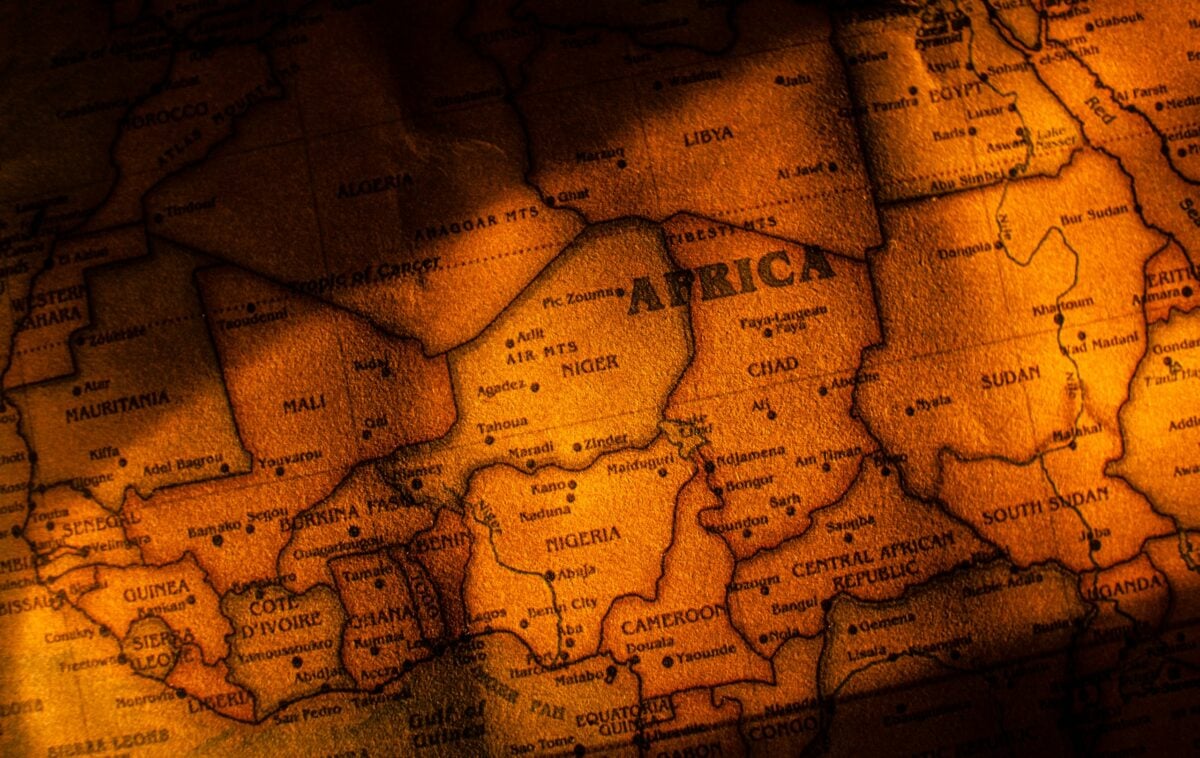
Why this mattered: Competition between European powers could make imperial expansion feed on itself.
So How Did a Small Island Build the World’s Largest Empire?
There was no single secret behind Britain’s rise. The British Empire became the largest in history because several advantages reinforced one another:
- Naval power protected trade, moved troops and connected distant possessions.
- Trade and finance generated wealth and helped Britain sustain long wars.
- Victories over imperial rivals weakened Spain, France and the Dutch while opening new opportunities overseas.
- Chartered companies such as the East India Company extended British influence before direct government rule followed.
- India became one of the empire’s most important sources of revenue, manpower and strategic power.
- Industrial technology and strategic bases made it easier to move goods, soldiers and information across enormous distances.
Timing mattered too. Britain expanded during periods when major rivals were weakening, political systems were changing and new technologies were transforming global trade and warfare. It did not control those circumstances, but British governments, merchants, companies and military leaders repeatedly exploited the opportunities they created.
That is why the empire is better understood as a network than simply a collection of territories. Ships connected it. Trade gave Britain reasons to expand it. Finance helped pay for it. The Royal Navy defended it. India helped power it. Strategic ports held it together.
But that network came at an enormous human cost.
British expansion involved slavery, warfare, dispossession, forced labor, resource extraction and coercive political rule. Colonial authority was also resisted throughout its history by enslaved people, indigenous societies, soldiers, workers, political movements and independence campaigns.
So the real answer to how the British Empire got so big is not simply that Britain conquered more land than everyone else.
It built a system in which ships, money, trade, war, technology and geography reinforced one another—and then used that system to project power across the globe.
The red areas on old imperial maps show how far Britain reached.
The connections between them explain how it got there.
Why Did the British Empire Eventually Collapse?
The forces that built the British Empire could not preserve it forever.
By the 20th century, two world wars had placed enormous strain on Britain’s economy and military, while anti-colonial nationalism was growing across Asia, Africa and the Middle East.
India became the most important turning point. After decades of political organization, protest and resistance, India and Pakistan became independent in 1947. Other colonies followed, including Ghana in 1957, Nigeria in 1960 and Kenya in 1963.
The pattern varied from place to place, but the direction was clear: Britain could no longer sustain imperial rule on the scale it once had, and colonized peoples were increasingly unwilling to accept it.
Many former colonies later joined the Commonwealth of Nations, a voluntary association of independent states rather than a continuation of the empire.
The political empire disappeared, but its legacy did not. English, legal and political institutions, migration, cultural ties, borders and economic relationships all reflect aspects of Britain’s imperial past—one reason debates over the empire remain so intense today.
Frequently Asked Questions
Still have questions about how the British Empire grew—or have an insight we missed? Share your thoughts in the comments below. We’d love to hear your perspective and keep the conversation going.
Why did the British Empire become so powerful?
The British Empire became powerful through a combination of naval strength, international trade, sophisticated finance, victories over competing European empires, chartered companies, control of strategic sea routes and, later, industrial technology. No single factor explains its rise; these advantages reinforced one another.
When was the British Empire at its largest?
The British Empire reached its greatest territorial extent in the years following World War I, after Britain took responsibility for several former German and Ottoman territories under the League of Nations mandate system.
How much of the world did the British Empire control?
At its height, the British Empire controlled roughly a quarter of the world’s land and governed around a quarter of its population.
Why was the Royal Navy so important to the British Empire?
Britain’s empire depended on maritime connections. The Royal Navy protected merchant shipping, transported troops, defended colonies, blockaded enemies, and helped Britain control important sea routes and naval bases. Naval strength allowed a relatively small island to project military power across enormous distances.
What role did the East India Company play?
The East India Company began as a chartered trading company in 1600 but gradually became a major political and military power in India. It maintained armies, collected taxes, made agreements with Indian rulers, and governed vast territories before its rule ended following the rebellion of 1857. The British Crown took direct control in 1858.
Why was India so important to the British Empire?
India provided large tax revenues, valuable commodities, commercial markets and military manpower. Its geographical position also made it strategically important to Britain’s interests across the Indian Ocean, Middle East and Asia. For these reasons, India became one of the central components of British imperial power.
Why did the British Empire decline?
Two world wars weakened Britain’s economic and military position, while nationalism and independence movements grew stronger throughout its colonies. Changing international attitudes toward colonialism and the rise of the United States and Soviet Union also transformed the global balance of power. Decolonization accelerated after World War II, with India and Pakistan gaining independence in 1947 and many African colonies becoming independent during the following decades.
If You Enjoyed This, Read These Next
Want to keep exploring the forces that shaped Britain and the wider world?
- War Plan Red – The Secret U.S. Strategy Once Devised Against Canada — Discover why American military planners once prepared for a hypothetical war with the British Empire and its Canadian dominion.
- The Rise of Napoleon Bonaparte — Explore the extraordinary rise of the man whose wars reshaped Europe and helped define Britain’s position as a dominant global power in the 19th century.
- How Was Alaska Purchased? — Find out why Russia sold Alaska to the United States—and how fears about British power influenced the decision.
History rarely ends where one story does. Explore more of the wars, rivalries, and turning points that shaped the modern world:
What Do You Think?
The British Empire’s rise and legacy are still debated today. What do you think was the biggest factor behind its extraordinary expansion—and is there part of the story you think deserves more attention?
Share your thoughts, questions, or insights in the comments below.




_(14796095503).jpg)
_(14589735297).jpg)

.svg)