How the U.S. Bought Alaska From Russia for $7.2 Million and Why the Deal Was Mocked

In 1867, the United States agreed to pay Russia $7.2 million for nearly 600,000 square miles of land. Critics mocked the purchase as “Seward’s Folly” and “Seward’s Icebox,” convinced Secretary of State William H. Seward had spent millions on a frozen wilderness.
History was less kind to the joke. For less than two cents an acre, the United States acquired a territory rich in gold, fisheries, oil, and strategic value.
Table of Contents
But the purchase was never as simple as a brilliant bargain everyone else failed to understand. Russia had strong reasons to sell, Seward was making a calculated gamble, and Alaska was already home to Indigenous peoples who had no say in the transfer.
So why did Russia want out, why did Seward want in, and how did one of America’s most mocked land deals become one of its most famous?
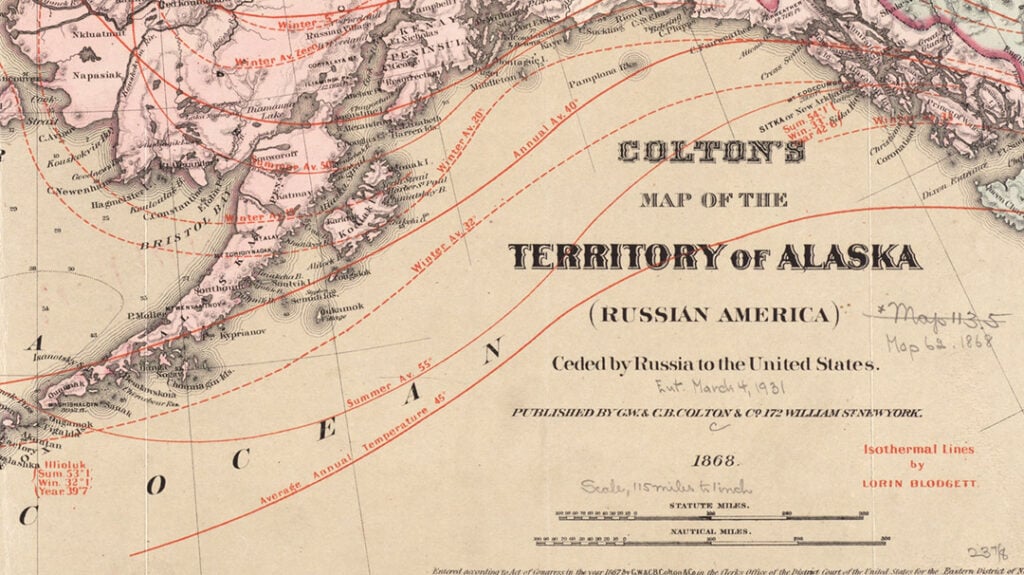
Why Did Russia Want to Sell Alaska?
Russia’s involvement in Alaska began long before the United States entered the picture.
In 1741, an expedition associated with Danish-born navigator Vitus Bering reached the Alaskan region while sailing for the Russian Empire.
Europeans had reached parts of North America long before Russia established itself in Alaska. Norse voyagers had crossed the Atlantic centuries earlier, leaving archaeological evidence of a settlement at L’Anse aux Meadows in Newfoundland—the story explored in our look at the Vikings in America.
Russia’s push into the far northwest came much later and for very different reasons. By the 18th century, Russian merchants were interested in something far more profitable than simply planting flags on maps: fur.
Sea otter pelts were especially valuable. Russian traders and hunters pushed eastward across the North Pacific, establishing settlements and developing a commercial network that connected Alaska with markets thousands of miles away.
In 1799, Emperor Paul I granted the Russian-American Company a charter giving it broad control over Russian activities in North America. The company traded furs, established settlements, and effectively administered much of Russia’s colonial presence in Alaska.
The arrangement worked best when the fur business was highly profitable. By the middle of the 19th century, that advantage had weakened.
Alaska was extraordinarily far from Russia’s main population centers. Supplying settlements was expensive, maintaining control was difficult, and the fur trade was no longer the business it once had been. Russia also had relatively few settlers in the territory compared with the enormous amount of land it claimed.
Then there was Britain.
British territory in North America bordered Russian Alaska, and Britain was one of Russia’s major geopolitical rivals. By the mid-19th century, the British Empire had built enormous global power through its navy, trade networks, and strategically placed colonies. Russia had already fought Britain in the Crimean War, so the possibility of another conflict was hardly theoretical.
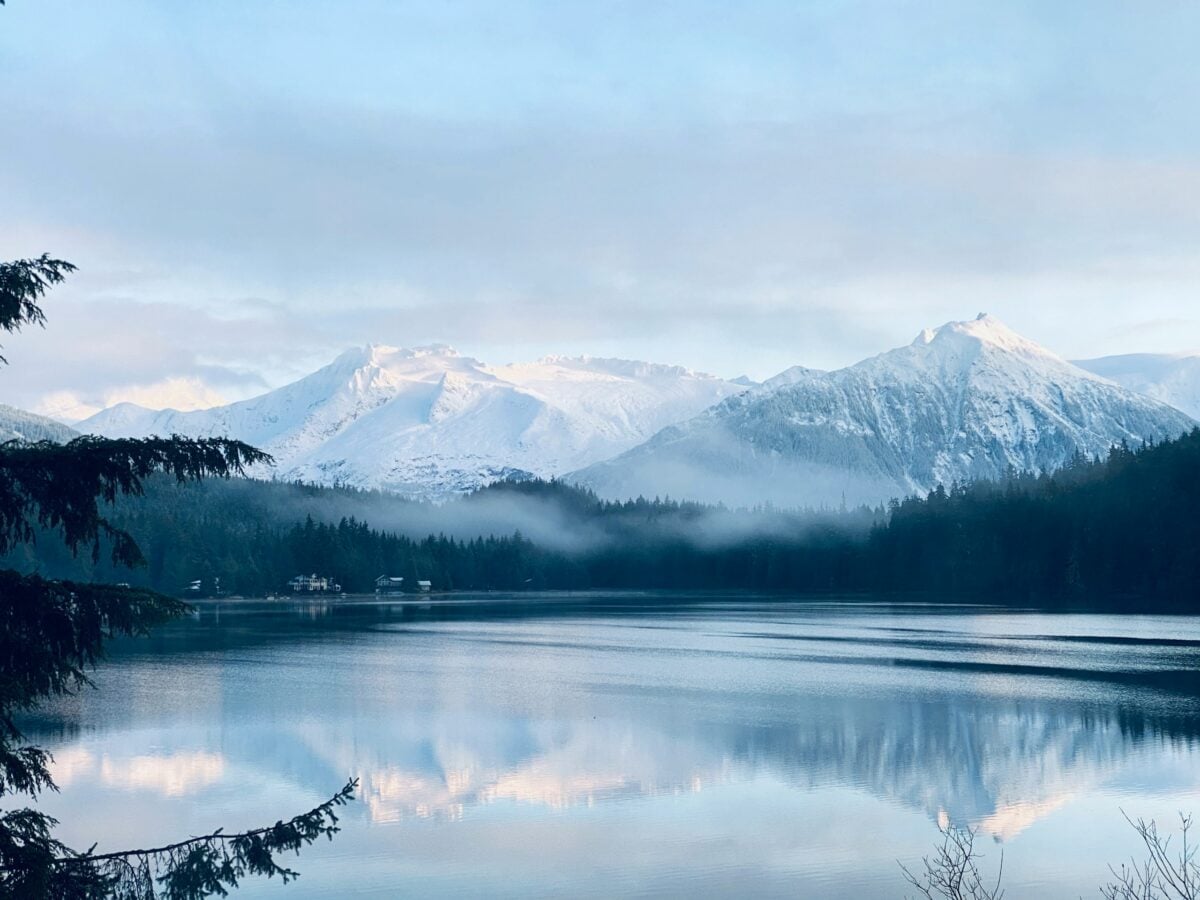
From St. Petersburg, Alaska could begin to look less like an asset and more like a property Russia might someday lose anyway.
If another war with Britain broke out, defending such a distant territory would be difficult. Selling Alaska to the United States offered Russia something it might not receive after losing a war: payment.
There was a diplomatic bonus as well. A stronger American presence in the North Pacific could complicate British power in the region, something Russia had little reason to oppose.
The idea of selling Alaska was therefore not invented overnight in 1867. Russia had raised the possibility years earlier, but the American Civil War interrupted serious discussions. Once the war ended, the opportunity returned.
Why Did the United States Want Alaska?
The United States had just emerged from four years of civil war. Reconstruction was beginning, federal finances were strained, and the country had no shortage of problems at home. Buying a distant northern territory might not seem like the obvious next priority.
William H. Seward thought differently.
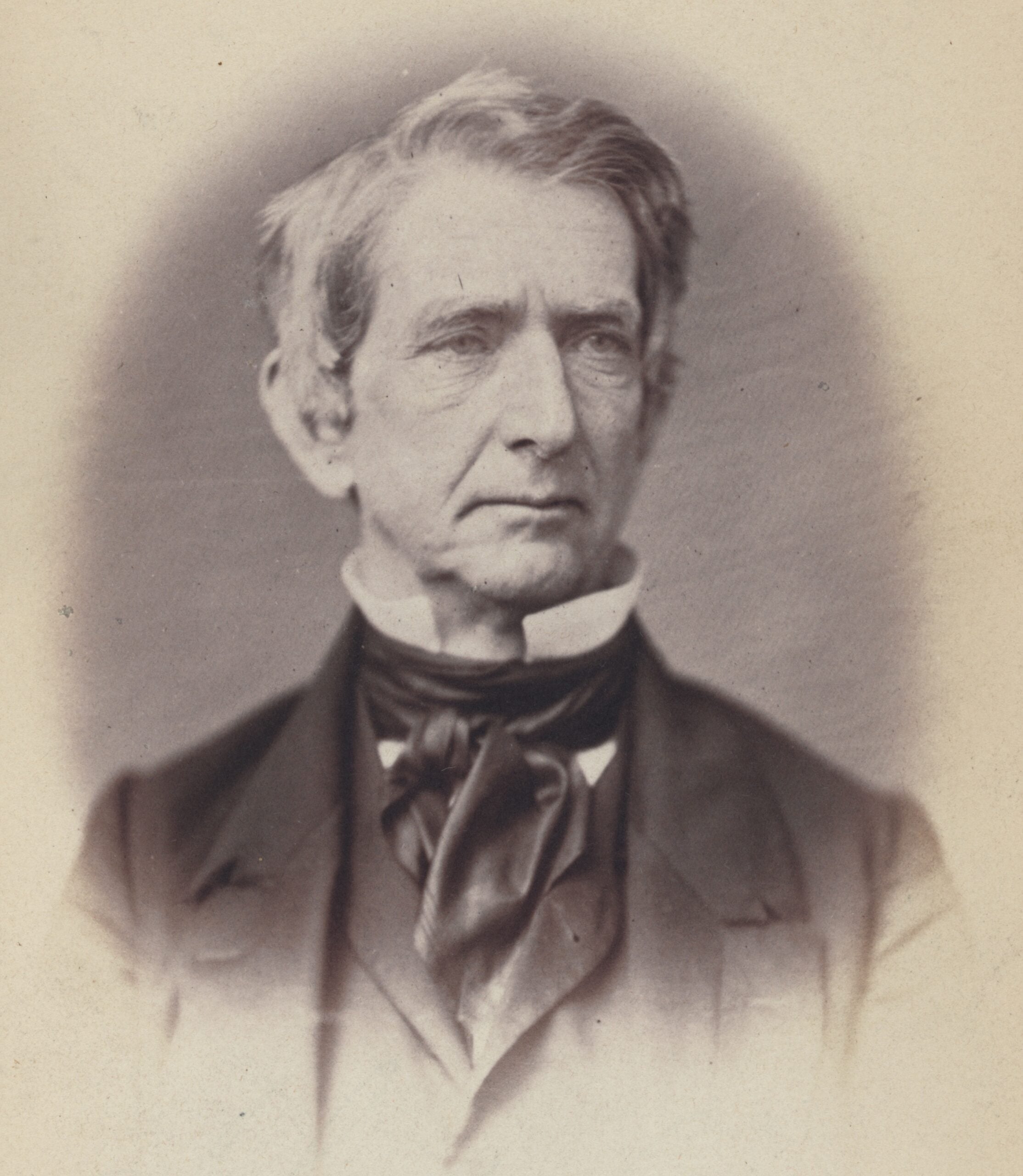
The American map had already changed dramatically during the previous few decades. Texas had gone from Mexican territory to an independent republic and then joined the United States, while the war with Mexico added a vast amount of western territory.
Seward, who had served as Abraham Lincoln’s Secretary of State and remained in the job under President Andrew Johnson, was thinking beyond continental expansion. He believed the country’s future would increasingly involve trade and influence across the Pacific.
Alaska fit that vision. It would push American territory deep into the North Pacific, strengthen the country’s presence along important maritime routes, and potentially provide access to fisheries, minerals, timber, and other resources.
For Seward, Alaska was not simply a huge piece of land on a map. Its location mattered just as much as its size, especially as the United States looked toward growing commercial ties with Asia.
And Russia, meanwhile, was making it clear that it was ready to sell.
The Night Seward Bought Alaska
Russia’s minister in Washington, Eduard de Stoeckl, returned to negotiations with Seward in early 1867. The bargaining moved surprisingly quickly.
Price was one point of disagreement. Seward initially discussed figures well below the eventual purchase price, while Stoeckl pushed for more. By late March, the two sides had moved close enough for Russia to seek final authorization from St. Petersburg.
Then, on the evening of March 29, Stoeckl arrived at Seward’s home with news: Russia had approved the sale.
Stoeckl suggested that they could begin preparing the treaty the next day.
Seward saw no reason to wait.
The men headed to the State Department, where clerks were called in, and the final details were worked out through the night. Among the remaining issues were the terms of payment and property belonging to the Russian-American Company. Seward ultimately agreed to a price of $7.2 million.
At about four in the morning on March 30, 1867, Seward and Stoeckl signed the Treaty of Cession.
It was an extraordinary ending to a transaction involving nearly 600,000 square miles of territory: diplomats, clerks, handwritten treaty copies, and an overnight negotiating session in Washington.
Signing the document, however, did not mean Alaska instantly belonged to the United States with the money safely on its way to Russia. The American political process still had several steps left.
How Much Did the United States Pay for Alaska?
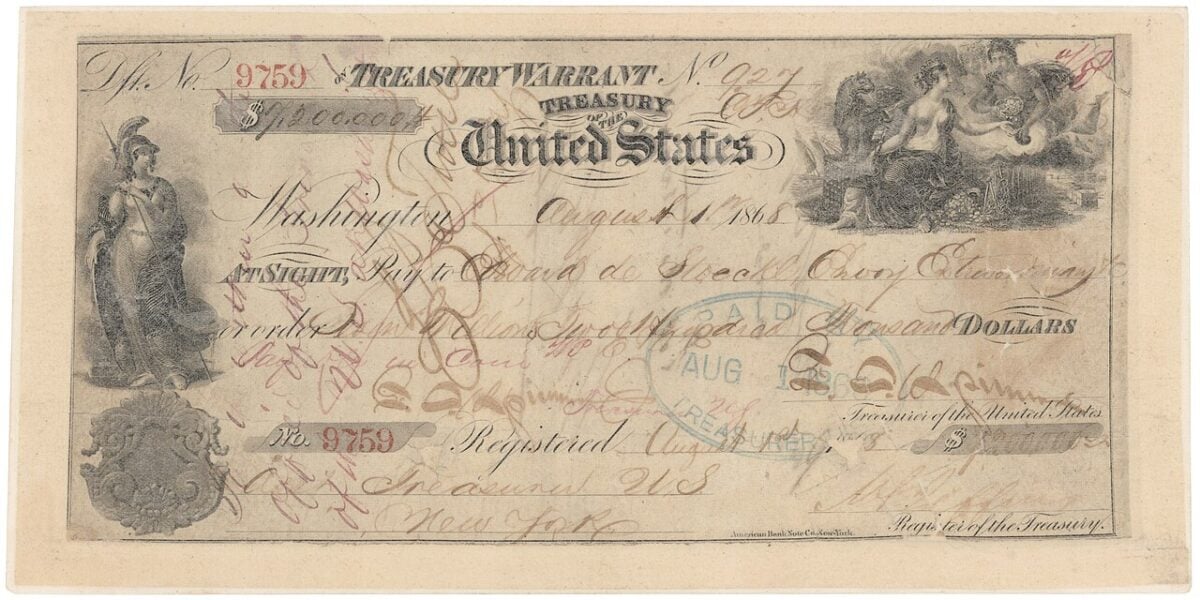
The agreed price was $7.2 million in gold.
Spread across Alaska’s immense size, that worked out to less than two cents per acre.
Another way to picture it is to compare Alaska with a place Americans know more easily. Texas covers roughly 268,000 square miles. Alaska is well over twice that size.
The United States was therefore purchasing an area more than twice the size of Texas for $7.2 million.
Modern inflation conversions are often attached to that figure, but they can give a false sense of precision. There are several ways to translate a sum from 1867 into modern economic terms, and a basic inflation calculator cannot tell us what hundreds of thousands of square miles of land, resources, coastline, and strategic territory would be “worth” today.
What mattered in 1867 was whether Americans believed $7.2 million was a sensible price for what the country was receiving.
Not everyone did.
Why Was Alaska Called “Seward’s Folly”?
The nickname has become almost as famous as the purchase itself.
“Seward’s Folly” captured the idea that the Secretary of State had persuaded the government to spend millions of dollars on a frozen wasteland. Other descriptions were even less flattering. Alaska was mocked as “Seward’s Icebox” and a place of glaciers, polar conditions, bears, and walruses.
The image was easy to sell.
Most Americans would never visit Alaska. The territory was remote, difficult to reach, sparsely settled by newcomers, and poorly understood in Washington. Its economic potential was largely speculative. No one in 1867 could point to Alaska’s future oil industry or its later military significance and present those things as guaranteed returns.
Chester Harding (1792–1866), Public domain, via Wikimedia Commons
That does not mean the entire country rose up against the purchase.
The popular memory of Alaska as a deal that almost everyone considered ridiculous exaggerates the level of opposition. There was genuine criticism, particularly in newspapers and among political opponents, but the treaty itself performed remarkably well in the Senate.
One reason was Senator Charles Sumner of Massachusetts, chairman of the Senate Foreign Relations Committee.
Sumner studied Alaska in remarkable detail before the vote. On April 8, he delivered a lengthy Senate speech discussing the territory’s geography, climate, population, fisheries, minerals, and commercial possibilities. His support gave the agreement an influential defender at exactly the moment Seward needed one.
The following day, the Senate approved the treaty 37 votes to 2.
Whatever jokes were circulating outside the chamber, that was not a close vote.
Russia Handed Over Alaska Before It Was Paid
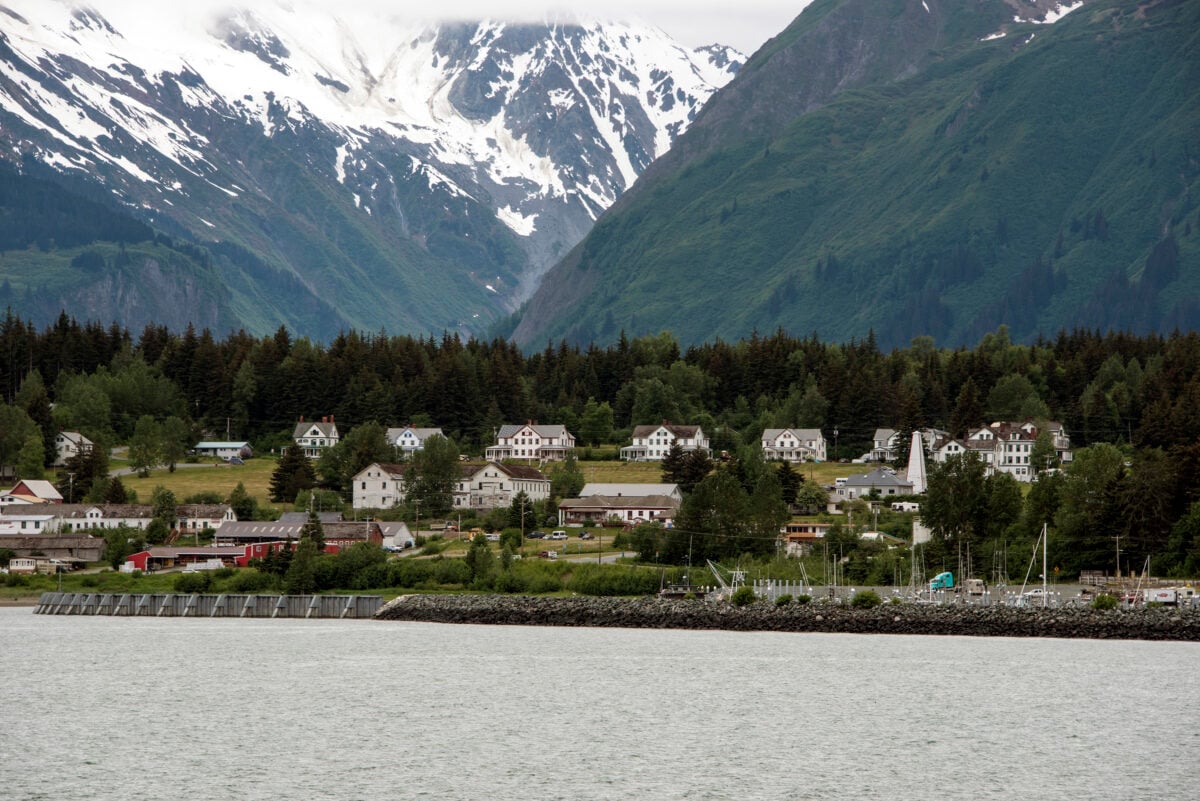
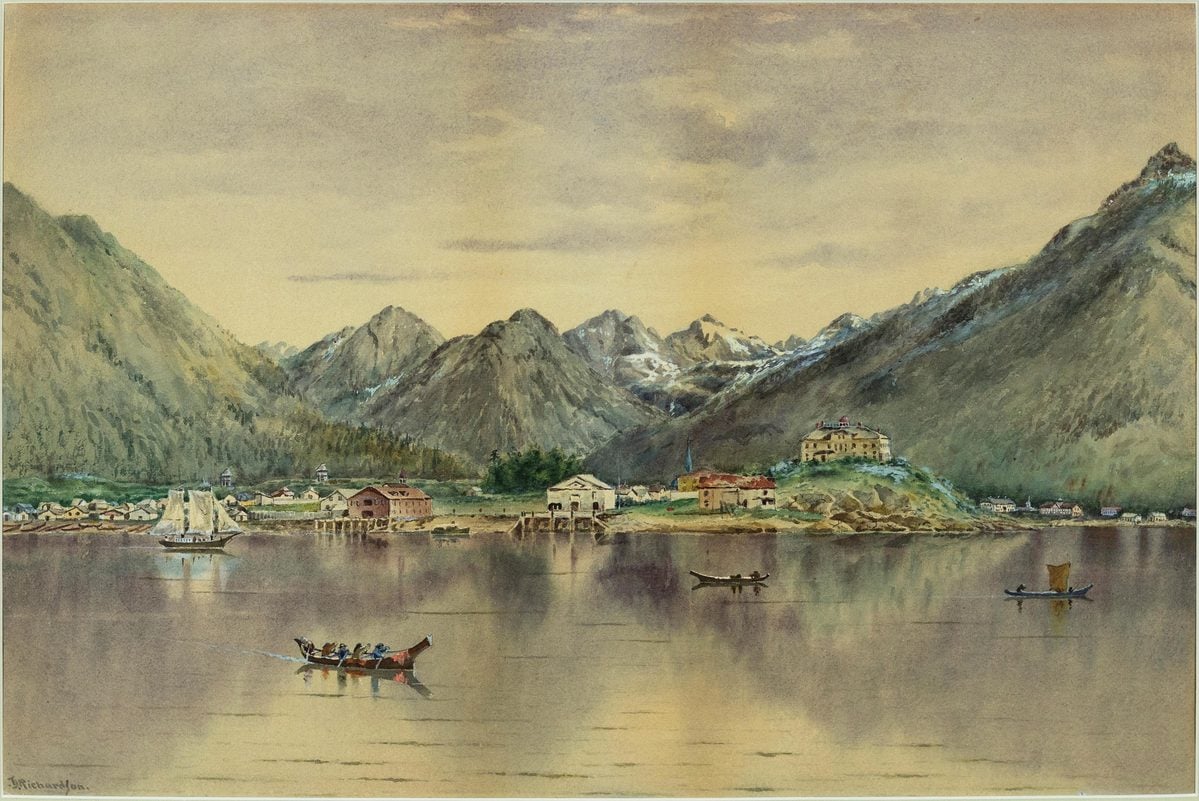
The formal transfer took place at Sitka on October 18, 1867.
Russian and American officials gathered for the ceremony as the Russian flag was lowered and the United States flag was raised. With the transfer complete, American authority replaced Russian authority.
There was just one awkward detail.
Russia still had not been paid.
A treaty could be approved by the Senate, but spending federal money required action by Congress. Political conflict in Washington, including the battle over President Andrew Johnson and his impeachment, delayed the appropriation.
Congress did not finish approving the money until the summer of 1868. The Treasury issued the $7.2 million payment on August 1, more than a year after the treaty had been signed and months after the territorial transfer had taken place.
For a purchase now remembered as an almost unbelievably clean bargain, the closing paperwork was surprisingly messy.
The Part of the Alaska Purchase That Is Easy to Miss
Calling the Alaska Purchase a real estate deal is useful up to a point. It makes the scale and price easier to understand.
But it can also hide something important.
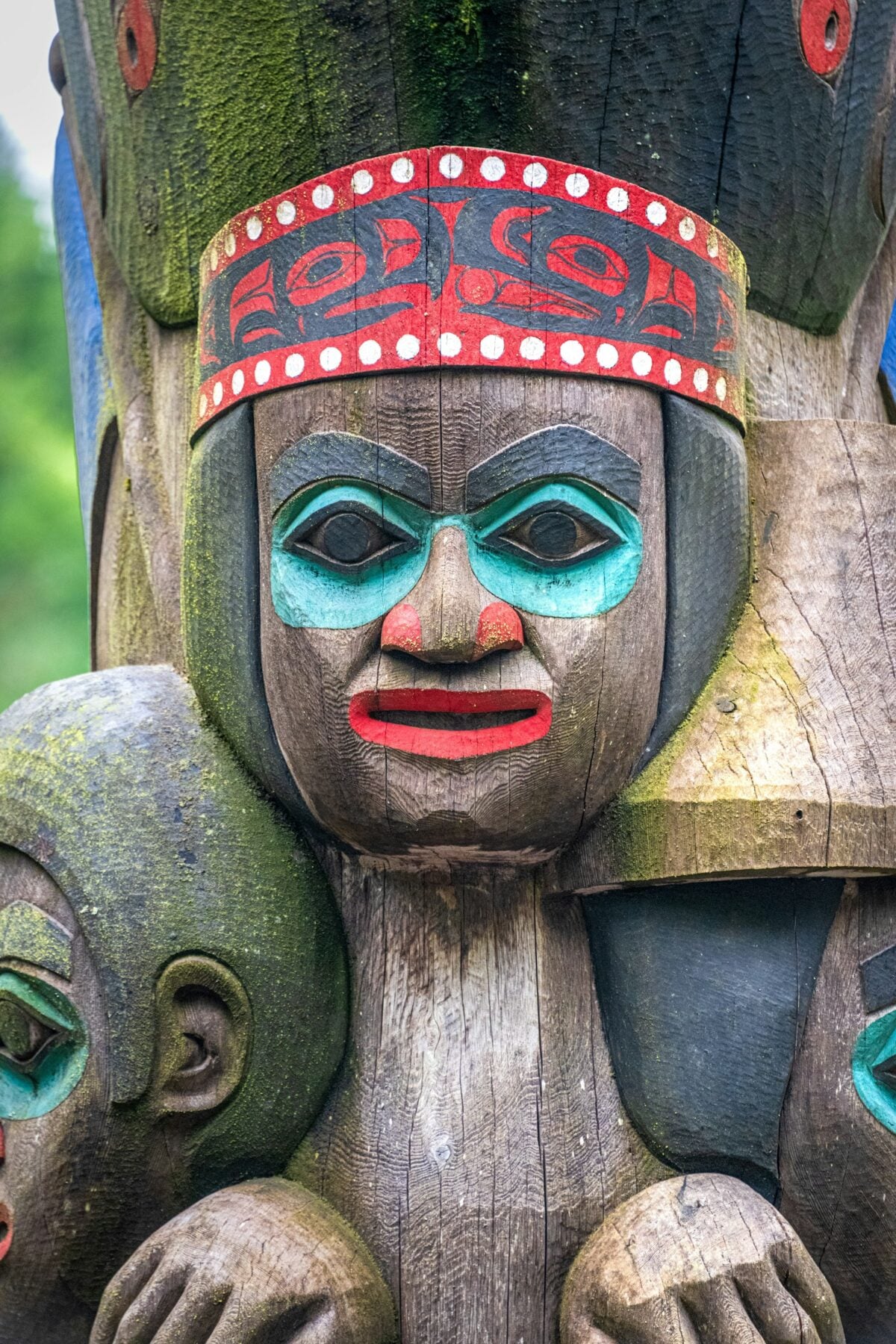
Russia transferred its imperial claims to a territory that was already home to Indigenous peoples, including Iñupiat, Yup’ik, Unangax̂, Tlingit, Haida, Athabascan peoples, and many others. Their communities had their own governments, territories, languages, trade networks, and relationships with the land long before either Russia or the United States claimed Alaska.
They did not negotiate the purchase.
The Treaty of Cession focused on the transfer of Russian sovereignty and property. Its language reflected the attitudes of the 19th century and did not treat Alaska Native peoples on equal terms with Russian subjects living in the territory.
That distinction had consequences long after the Russian flag came down at Sitka.
Questions surrounding Native land ownership remained unresolved for generations under American rule. Federal policies changed repeatedly, while Alaska Native communities continued pressing claims connected to lands they had occupied long before 1867.
More than a century after the purchase, Congress passed the Alaska Native Claims Settlement Act of 1971. The settlement provided $962.5 million and ultimately transferred tens of millions of acres through Alaska Native regional and village corporations.
None of that fits neatly into the cheerful version of the Alaska Purchase as America finding an unbelievable bargain at a bargain-bin price.
From Washington’s perspective, $7.2 million bought Russian claims to Alaska. From the perspective of the people already living there, the situation was considerably more complicated.
Gold Began Changing Alaska’s Reputation
For years after the purchase, Alaska remained on the edge of American public attention. The federal government struggled with basic questions about how the territory should even be administered.
Then gold changed the conversation.
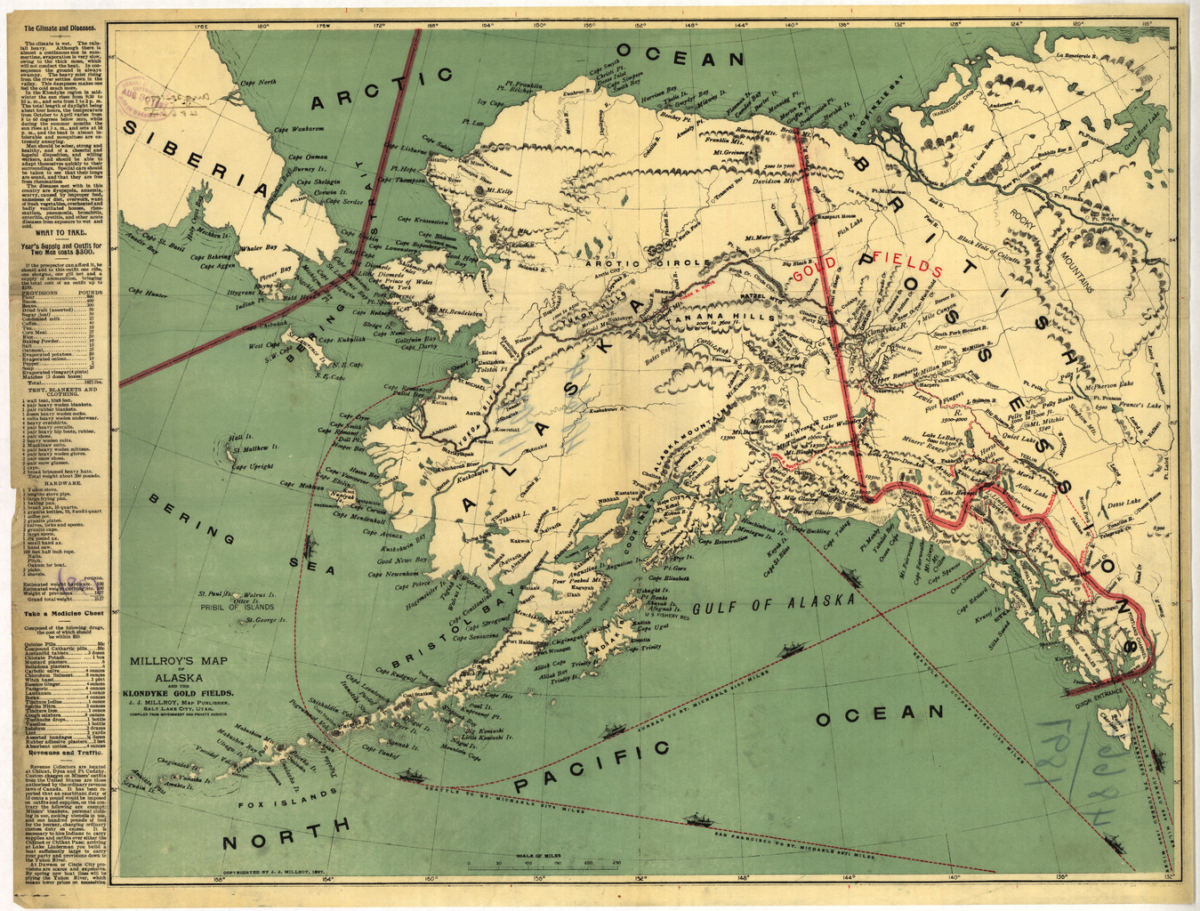
Gold discoveries in Alaska and the neighboring Yukon helped draw thousands of prospectors north during the late 19th century. The Klondike Gold Rush, beginning in the 1890s, turned places such as Skagway into gateways for fortune seekers heading toward the goldfields.

Suddenly the supposedly worthless northern wilderness did not look quite so worthless.
Gold was only one part of the story. Alaska also held enormous fishing grounds, forests, mineral deposits, and other natural resources. Commercial fisheries became particularly important, while mining continued across different parts of the territory.
Much later, petroleum would dramatically change the economic calculation again. The discovery of the giant Prudhoe Bay oil field on Alaska’s North Slope in 1968 helped make the state a major American oil producer.
None of those developments means Seward knew exactly what would be found.
He didn’t.
The important point is that the people dismissing Alaska as useless did not know either.
Alaska’s Location Became Just as Important as Its Resources
A glance at a modern globe explains something a flat map of the lower 48 states can easily hide: Alaska occupies an extraordinary position.
It reaches into the North Pacific, sits close to Asia, borders the Arctic, and lies only a short distance from Russia across the Bering Strait.
That geography became increasingly important as American interests expanded across the Pacific.
During World War II, Alaska was no longer a distant northern possession that could safely be ignored. Japanese forces occupied the Aleutian islands of Attu and Kiska, making Alaska part of the war itself.
Its strategic importance became even clearer during the Cold War.
The United States and Soviet Union faced each other across the Arctic and Bering Strait. Alaska offered locations for military bases, aircraft, radar installations, and early-warning systems positioned near Soviet territory.
The same remoteness that had made Alaska seem inconvenient in 1867 had become part of its strategic value.
So Was the Alaska Purchase Really a Brilliant Deal?
With more than 150 years of hindsight, it is tempting to turn the story into a simple lesson: short-sighted critics laughed, Seward saw what everyone else missed, and America received an enormous treasure for almost nothing.
The real story is better than that.
Russia had rational reasons to sell. Its North American colony was distant, expensive, increasingly difficult to defend, and vulnerable in a future conflict with Britain. Receiving $7.2 million from the United States was preferable to the possibility of losing the territory without compensation.
Seward was making a calculated gamble of his own. He could see Alaska’s geographical and commercial possibilities, but he could not know that major gold rushes would follow, that vast oil reserves would be developed a century later, or that Alaska would become strategically important during two global conflicts and the Cold War.
The critics were also not entirely irrational. In 1867, the United States had just survived a devastating civil war. Alaska was remote, expensive to administer, difficult to reach, and largely unknown to most Americans. Spending millions on it was a legitimate political question.
What history changed was the information available.
Gold made Alaska harder to dismiss. Fisheries and other resources made it economically important. Oil increased that importance dramatically. World War II and the Cold War demonstrated the value of its position on the map.
And the experience of Alaska Native peoples complicates any attempt to reduce the purchase to a clever financial transaction between two governments.
The United States paid Russia $7.2 million for Alaska in 1867. That part of the story is simple.
What America had actually acquired—and what that transfer would eventually mean—took generations to understand.
More History That Changed the Map
Alaska was not the last time geography, diplomacy, and military strategy produced a story stranger than it first appeared.
Decades later, American planners drew up War Plan Red, a secret contingency plan for a hypothetical war with Britain that focused heavily on invading Canada.
During World War I, another international scheme put North American borders at the center of world politics. The Zimmermann Telegram revealed Germany’s attempt to encourage Mexico to join a war against the United States in exchange for the possibility of recovering lost territory.
And long before the United States or Russia competed for territory on the continent, England was struggling to establish a permanent foothold of its own. The disappearance of the Roanoke Colony remains one of the most enduring mysteries of early American history.
Was Alaska a Bargain—or Just a Lucky Bet?
Seward saw opportunity where others saw ice, distance, and expense. In hindsight, the purchase looks remarkably valuable—but in 1867, the outcome was anything but certain.
What do you think: was buying Alaska a brilliant strategic move, a risky gamble that happened to pay off, or something in between? Share your take in the comments.


